What Stony Brook’s Waste-Sorting Study Means for Suffolk County Residents
Researchers at Stony Brook’s Waste Data and Analysis Center are hand-sorting municipal solid-waste samples across New York State, including multiple Long Island facilities, to quantify what residents throw away versus recycle and to pinpoint contamination in container and plastic streams. This guide explains the project’s methods, key findings for Suffolk County, practical steps residents can take, and how local officials can use the data and cost-modeling tools to improve recycling outcomes.
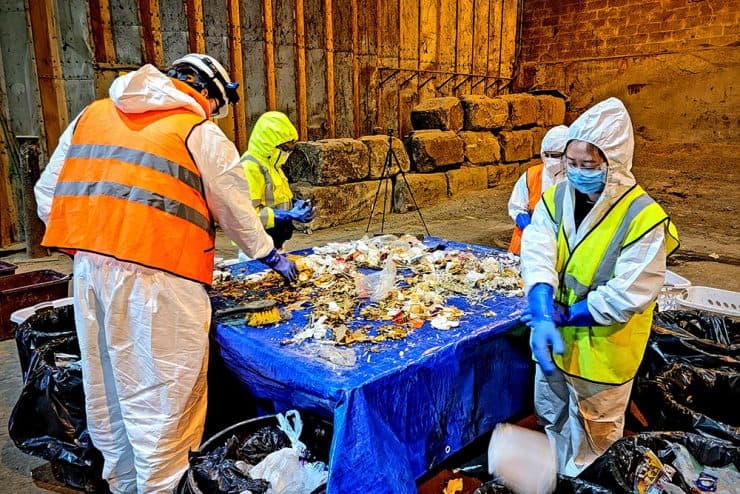
1. Project overview and purpose Researchers at Stony Brook’s Waste Data and Analysis Center are conducting in-depth municipal solid-waste sorting across New York State to inform recycling and waste-management policy.
The study aims to provide a clear, granular picture of what goes into curbside bins and waste streams so municipalities can base decisions on measured material flows rather than assumptions. For Suffolk County, that evidence-based approach can help tailor programs to local behavior patterns and material characteristics.
2. Funding and policy context The work is supported by an $8 million investment from the New York State Department of Environmental Conservation, signaling strong state-level commitment to improving recycling systems.
That funding not only underwrites extensive sampling and analysis but also supports tools and training that municipalities will receive. For Suffolk County, the DEC investment means access to expertise, data, and resources that might otherwise be out of reach for smaller towns and hamlets.
3. Sampling and hand-sorting methodology The team hand-sorts waste samples into dozens of distinct categories to quantify precisely what residents throw away versus what they place in recycling streams.
Hand-sorting allows analysts to detect small but consequential items and mixed-material objects that automated systems can miss, improving the accuracy of contamination estimates. For local planners, this method provides the detailed categories needed to design targeted education campaigns and collection strategies.
4. Long Island sampling and facility coverage On Long Island the study sampled at multiple facilities to capture geographic and programmatic differences across the region, including sites serving Suffolk County.
Sampling at several points — transfer stations, material recovery facilities, and curbside collections — gives a more representative picture of local waste behavior than a single-site study. The multi-facility approach helps identify whether problems are system-wide or concentrated at particular collection or processing nodes.
5. Key finding: paper streams are relatively clean Across the Long Island samples, paper materials tended to be well-sorted, meaning residents are largely putting paper into the correct stream and paper recycling remains a program strength.
That relative success suggests existing messaging about paper recycling is reaching many households and that paper markets remain serviceable for municipal recycling programs. Suffolk County can build on this strength by ensuring paper collection and processing capacity is preserved and by reinforcing the behaviors that led to good paper sorting.
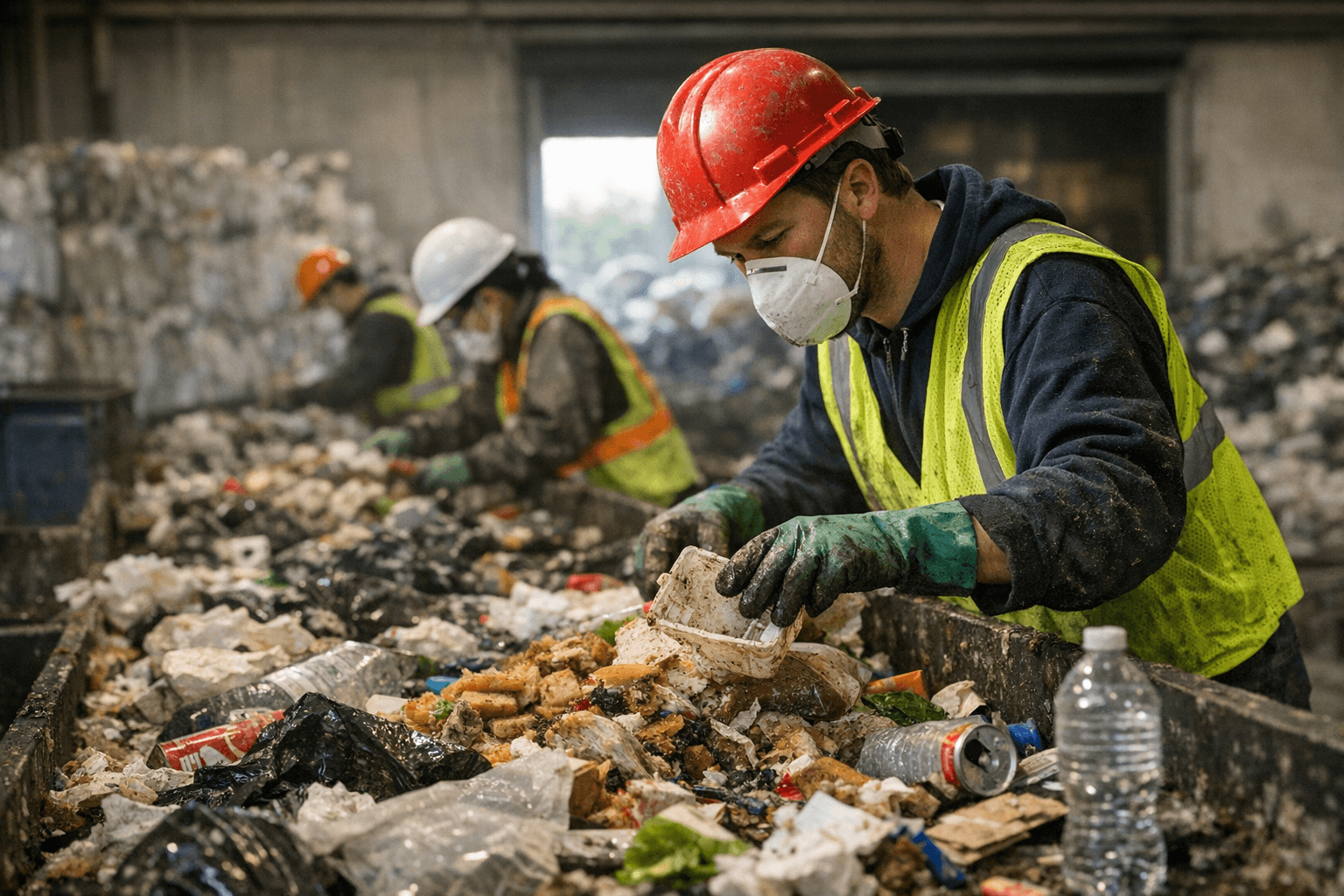
6. Key finding: container and plastic contamination is common The study found frequent contamination in container and plastic streams, a sign of public confusion about what is recyclable and what belongs in trash.
Contamination can include food-soiled containers, mixed materials, or non-recyclable plastic types mixed into recyclable loads. For local residents and policymakers, widespread container contamination reduces the value and marketability of recyclables and increases processing costs and the risk that loads will be rejected.
7. Comparison of single-stream and dual-stream programs A central element of the research is comparing single-stream (mixed recyclables collected together) and dual-stream (separated streams, typically paper separate from containers) systems to measure differences in contamination and recovery rates.
The comparison helps municipalities weigh trade-offs: single-stream can increase participation and convenience but may increase contamination; dual-stream can reduce contamination but requires separate collection logistics. Suffolk County municipalities can use the study’s comparative data to evaluate whether convenience or purity should guide local collection policy.
8. Data-driven recommendations for municipalities The project is developing evidence-based recommendations for collection practices, outreach, and investment priorities grounded in the hand-sorted data.
Recommendations will likely include targeted education focused on the problematic streams, adjustments to collection frequency or separation requirements, and investments in processing technologies tuned to local contamination profiles. Local governments can apply these tailored recommendations to reduce disposal costs, improve recycling yields, and meet regulatory goals.
9. Cost-modeling tools and budget implications Researchers are producing cost-modeling tools that municipalities can use to estimate the financial implications of program changes, such as shifting between single- and dual-stream systems or adding contamination-reduction measures.
These tools factor in collection, processing, contamination rejection, and market variance to help officials make fiscally responsible decisions. For Suffolk County towns managing tight budgets, such modeling is essential to choosing interventions that deliver measurable returns on investment.
10. Training students and building local capacity The project includes hands-on training for students who participate in the sorting and analysis, creating a pipeline of local talent with practical skills in waste characterization and data analysis.
That workforce development benefits the region by expanding technical expertise available to local governments and private operators, and by providing educational opportunities tied to civic service. Over time, trained graduates can help implement and sustain improved recycling practices across Suffolk County.
- Rinse containers lightly to remove food residue before placing them in recycling.
- Check local guidance for which plastics and containers are accepted; when in doubt put the item in trash to avoid contaminating the stream.
- Flatten cardboard and keep paper dry and free from food or grease.
- Separate materials according to your municipality’s chosen system and follow collection-day guidelines.
11. What residents can do to reduce contamination
You have a direct role in improving local recycling outcomes by taking a few practical steps at home. Simple, consistent actions reduce contamination and keep materials recyclable:
12. How local officials can apply the findings Municipal leaders should use the study’s facility-level findings and cost models to design pilot programs, refine outreach, and decide on collection systems that fit local geography and budget.
Steps include reviewing facility-specific contamination rates, testing targeted education campaigns in neighborhoods with higher contamination, and piloting dual-stream collection where contamination proves costly. Using the project’s data and tools will allow Suffolk County governments to prioritize interventions that yield the best environmental and fiscal outcomes.
13. Local significance and next steps The published findings from Jan.
5, 2026 mark a crucial step toward evidence-based recycling policy in New York State. For Suffolk County, the combination of detailed waste characterization, comparative program analysis, cost modeling, and student training creates a rare opportunity to redesign systems with measured confidence. Taking action now—through resident education, municipal pilots, and strategic investment—can reduce contamination, improve recycling performance, and strengthen the local circular economy.
Sources:
Know something we missed? Have a correction or additional information?
Submit a Tip