White House Strategy Elevates Western Hemisphere, Warns Europe Faces Erasure
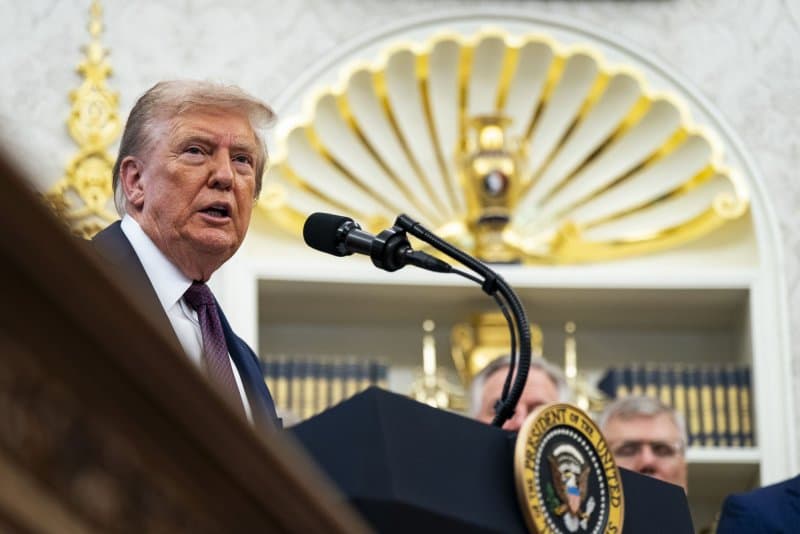
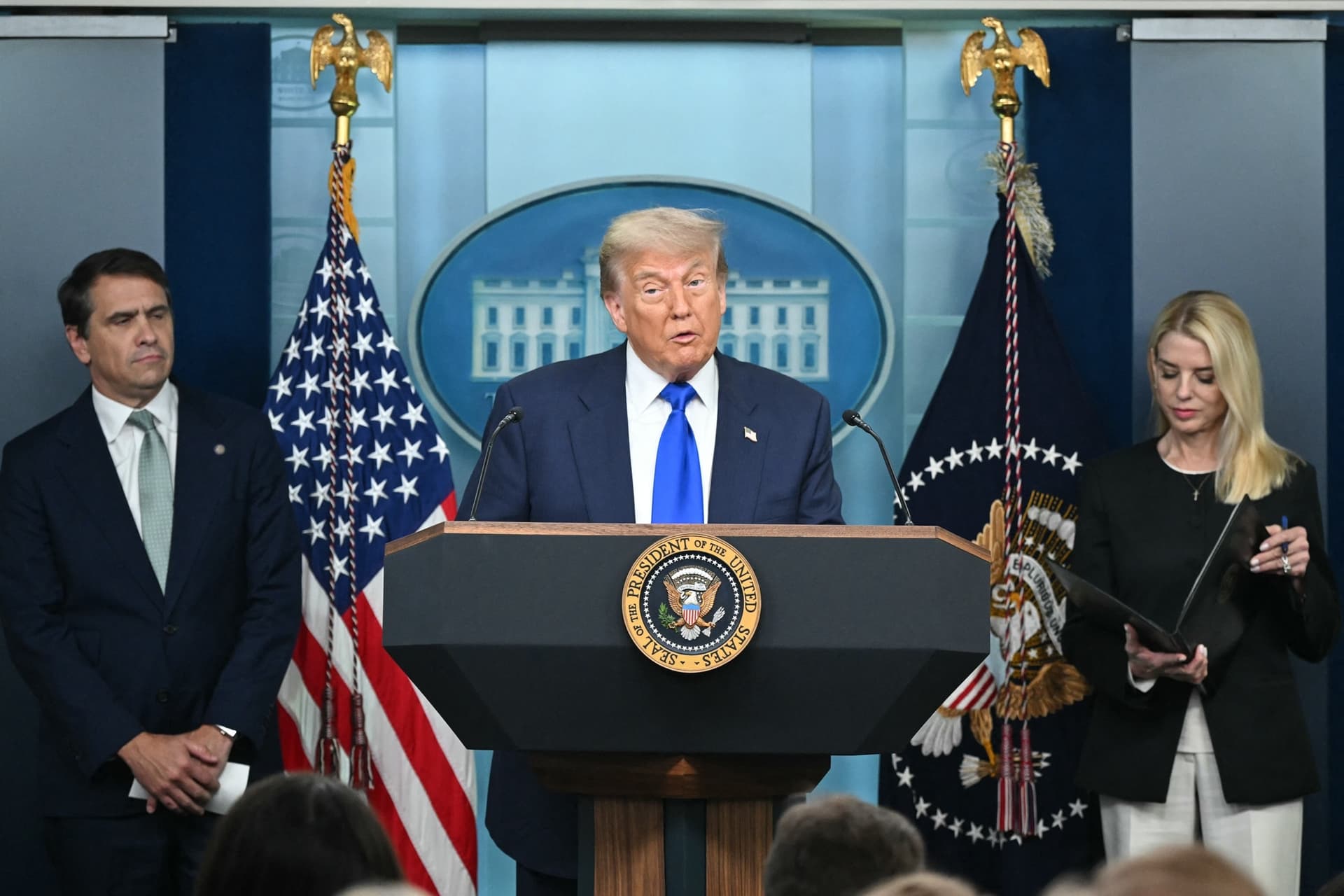
The White House on December 5 released a 29 to 33 page National Security Strategy that codifies President Donald Trump’s global priorities under a doctrine the administration calls "flexible realism." The document elevates the Americas as the top regional priority with a revived Monroe Doctrine framed as a "Trump Corollary," warns of "civilizational erasure" in Europe, and signals major shifts that are likely to test alliances and international legal norms.
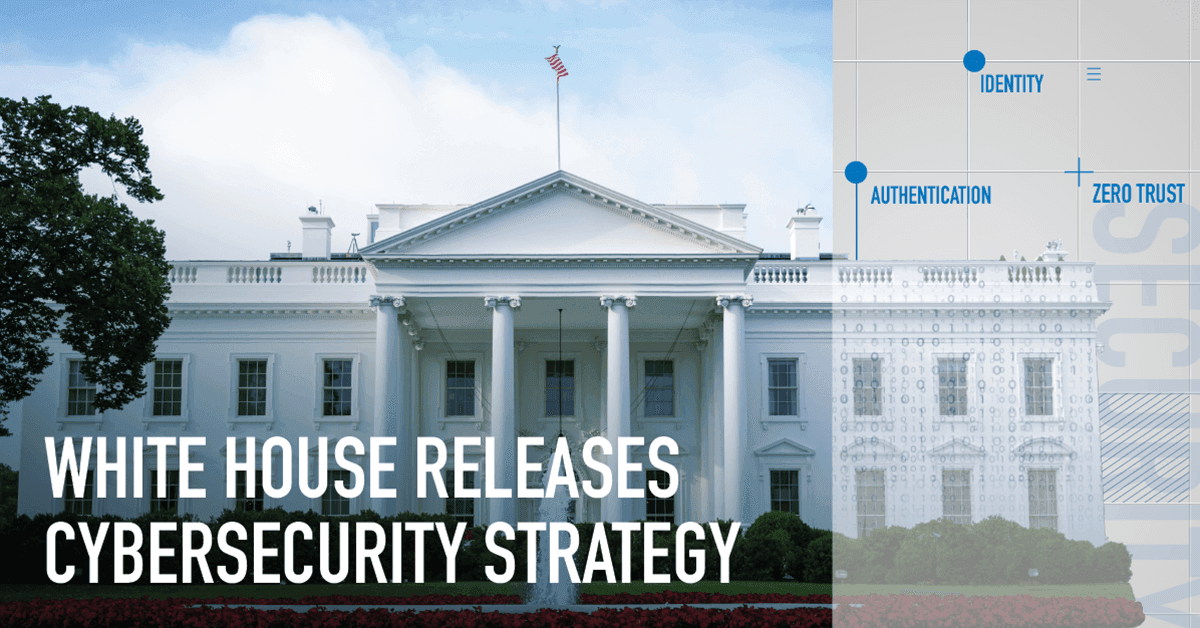
The National Security Strategy published on December 5 formalizes a distinctive reordering of U.S. priorities, placing the Western Hemisphere at the center of American statecraft while spelling out a muscular posture across several theaters. The paper, described by the administration as rooted in "flexible realism," directs a sustained U.S. military and security presence in the Caribbean and Latin America to combat migration, narcotics trafficking and foreign influence. It explicitly revives Monroe Doctrine language as a "Trump Corollary" and proposes a long term American role in the region to shape security outcomes.
The document contrasts that hemispheric focus with a firm Indo Pacific stance. It stresses the need to deter conflict over Taiwan through preserving U.S. military overmatch in the region, a formulation likely to be interpreted in Beijing as a continued readiness to project power and to reinforce ties with allies there. At the same time the paper marks a sharp rhetorical and strategic turn toward Europe, characterizing the continent as at risk of "civilizational erasure" and urging European partners to assume greater responsibility for conventional defense within NATO.
Perhaps most consequential is the strategy’s call for a reassessment of some long standing alliances and its signal that Washington prefers strategic stability with Russia. That position departs from recent U.S. policy that emphasized deterrence against Russian aggression, and it raises questions about how the United States and its European partners will navigate the diplomatic and legal challenges posed by Moscow’s actions in Ukraine and elsewhere.
European officials and analysts reacted swiftly, arguing that the language in the strategy echoes far right talking points and could strain transatlantic unity. Beyond rhetoric, the document’s recommendations present practical dilemmas for NATO members, which may now face pressure to boost defense spending and adjust force posture to meet a U.S. demand for greater European burden sharing.
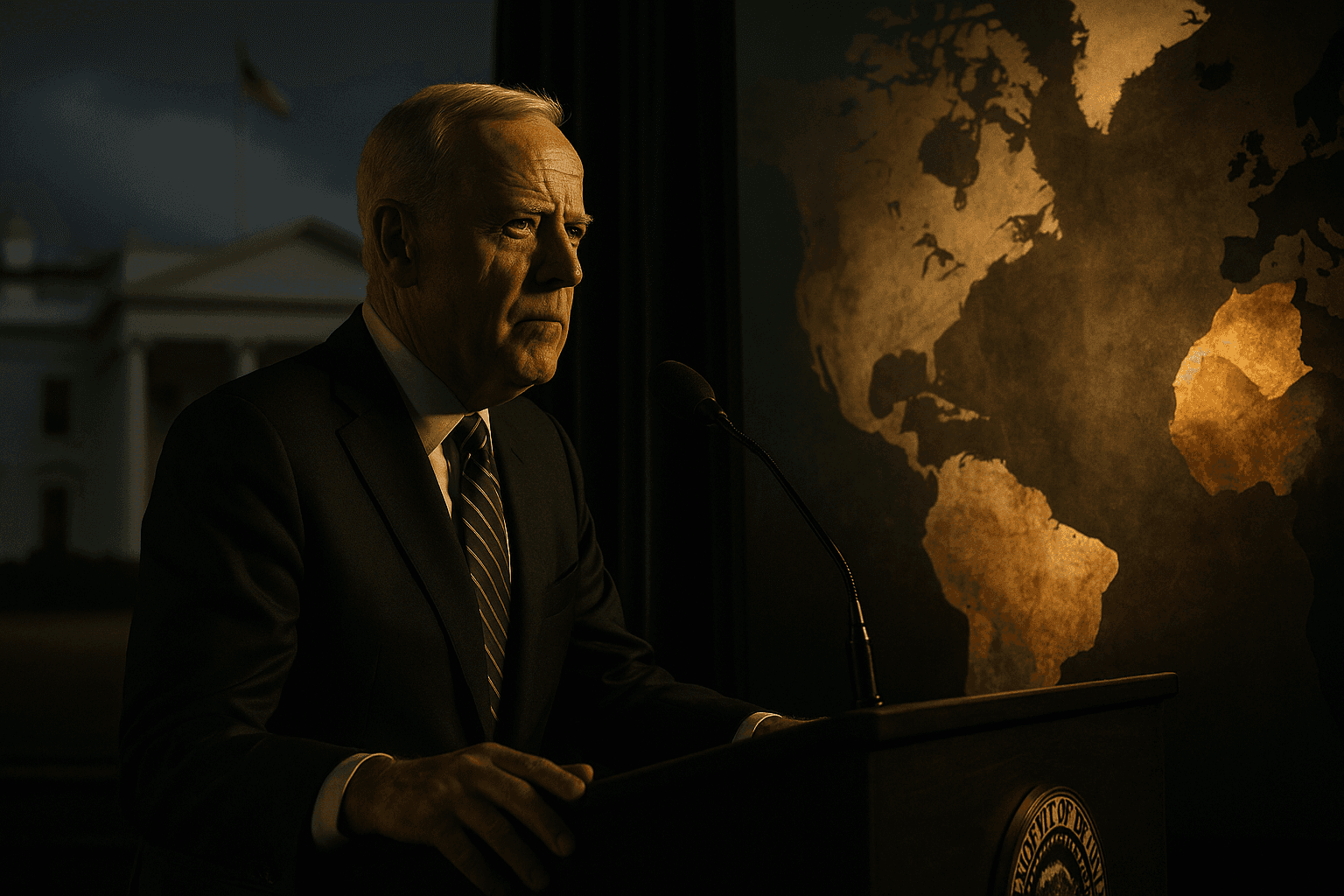
In Latin America the use of Monroe Doctrine imagery and a directive for an extended security presence are likely to revive historical sensitivities about sovereignty and intervention. Regional governments from diverse political backgrounds may view the "Trump Corollary" as an overreach that risks inflaming anti American sentiment even as Washington seeks cooperation on migration and narcotics.
International law scholars will be watching how the administration balances its announced posture with obligations under the UN Charter and norms of non intervention. The interplay between robust security commitments in the Western Hemisphere, efforts to deter conflict in the Indo Pacific, and a recalibrated relationship with Russia will test diplomatic channels across capitals in Europe, Asia and the Americas.
The strategy sets a clear timetable for debate among allies and adversaries alike. Its release will prompt immediate consultations in Brussels, capitals across Latin America and strategic planning in Beijing and Moscow as partners and rivals reassess their expectations of U.S. policy and the future shape of global order.