Willow Leaf Ficus care and training tips that actually simplify winter months
A focused entry highlighted practical care and styling for the Willow Leaf Ficus (Ficus salicaria), stressing dormancy management, banyan-style training, and wiring timing. These tips help growers avoid common winter mistakes and improve ramification.

A focused entry on the Willow Leaf Ficus (listed under several botanical names but referenced here as Ficus salicaria) offered a compact, hands-on primer for growers dealing with this warm-climate, narrow-leaf species. The piece emphasized simple seasonal rules and styling approaches that matter for both beginners and experienced bonsai practitioners.
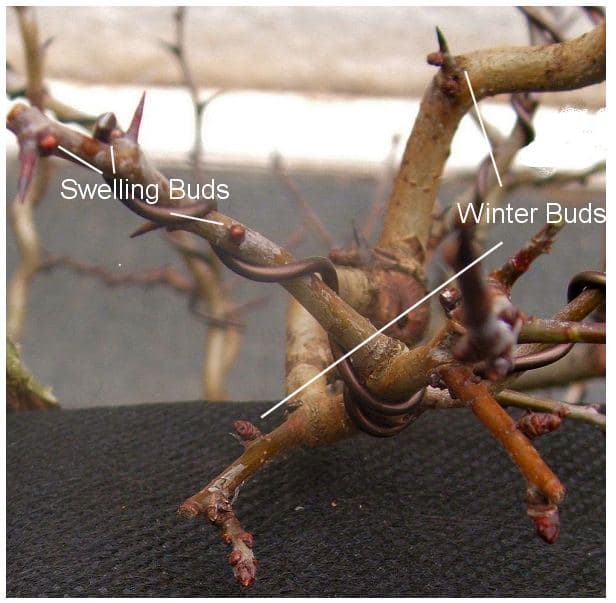
At the top of the list: treat winter leaf drop as dormancy rather than disease. The Willow Leaf commonly sheds foliage as it rests, so reduce watering and stop fertilizing until new spring leaves appear. This short rest period helps avoid overwatering stress and keeps root growth in check through the colder months. Adjust light and humidity where possible rather than trying to force a flush of growth indoors.
Styling notes will be familiar to anyone who enjoys banyan work. The species adapts well to banyan-style training; aerial roots readily form and can be allowed to thicken into secondary trunks. That makes it a strong candidate for multi-trunk compositions and for growers who like to build complex root and trunk networks over time. The author began training the featured tree in 1993, showing the species’ long-term potential for structure and presence.
Practical wiring and pruning guidance was specific. The Willow Leaf responds well to wiring, but watch for scarring during periods of vigorous growth. Time heavy wiring for cooler or slower growth windows to reduce binding. The tree also adapts to the clip-and-grow technique, and regular defoliation is recommended to improve ramification; prune leaves just above the petiole to encourage fine branching and tighter internodes.
Potting and fruiting tips are comforting for small-space growers. The species does well in shallow pots and often needs relatively little root mass to thrive, which makes it suited to tray-style displays and tighter root maintenance. It may also produce small figs occasionally, a charming bonus rather than a management problem.
For community relevance, these pointers reduce guesswork around winter care, wiring schedules, and training goals. Whether you are building banyan roots or aiming for a refined, ramified canopy, the Willow Leaf rewards measured interventions and seasonal patience.
The takeaway? Treat winter leaf drop as dormancy, cut back water and fertilizer, time heavy wiring outside peak growth, and use defoliation to force ramification. If you handle those basics, Ficus salicaria will repay you with resilient growth, attractive aerial roots, and the kind of structure that keeps a display interesting year after year.
Sources:
Know something we missed? Have a correction or additional information?
Submit a Tip