Winter on Whidbey Island, Family Activities and Community Resources
This guide outlines seasonal activities and practical information for Whidbey Island residents and visitors during December and the winter months, including family events, outdoor destinations, shopping areas, and food and farm experiences. It also highlights community resources like food and toy donation drives and volunteer opportunities, and explains public health and access considerations that matter for local families and small businesses.

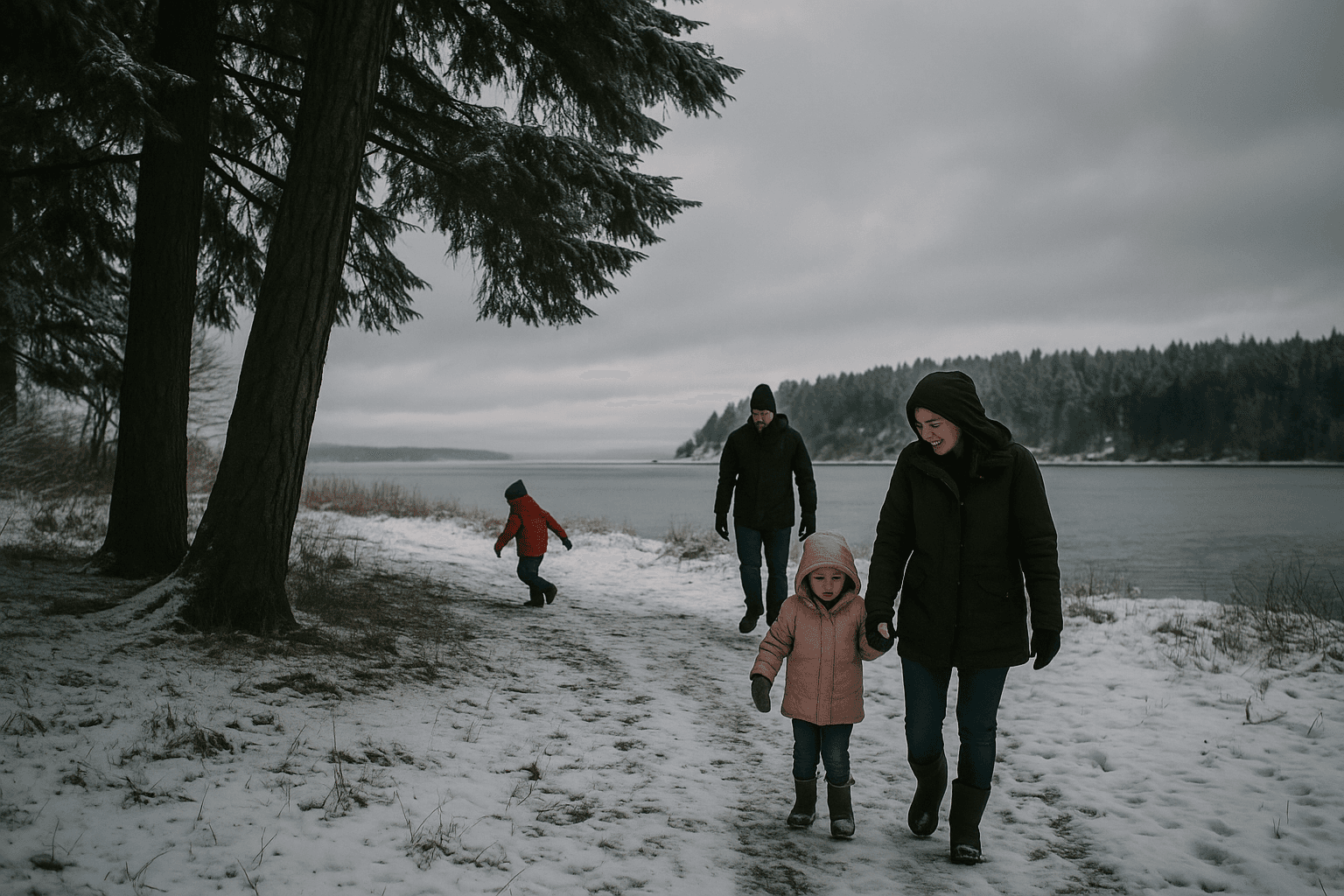
Winter brings a mix of outdoor beauty and community gatherings across Whidbey Island. Families can plan around traditional tree lightings, a lighted boat parade, and Nutcracker performances that offer indoor cultural options while supporting local arts. Historic downtown Coupeville, Langley shops, and Oak Harbor merchants remain the most reliable places for holiday shopping and small business patronage.
For outdoor recreation, Fort Casey and Admiralty Head provide coastal overlooks and open spaces that are easy to visit while maintaining distance from others. Ebey’s Landing offers bluff trails with panoramic views, suitable for walkers seeking fresh air and lower density. Local tree farms and seasonal markets at Greenbank and the Island County Fairgrounds supply fresh wreaths, trees, and farm products alongside opportunities to buy directly from producers.
Practical travel information matters in winter. For those using the Mukilteo to Clinton ferry plan ahead, allow extra time for wait lines and weather related delays, and monitor current ferry schedules before travel. In downtown Coupeville and in Langley expect limited street parking, municipal lots, and time limited spaces; arrive early for popular events and consider car pooling or walking when possible.
Community needs increase in cold months. Good Cheer Food Bank conducts donation drives to meet rising food insecurity and residents can support Toys for Tots through local drop off locations coordinated each season. Volunteers are needed at shelters and holiday events, and supporting these efforts helps reduce isolation and economic strain for neighbors.
Public health considerations remain important during seasonal gatherings. Residents should stay home when ill, practice hand hygiene, and consider annual influenza and COVID 19 vaccinations for eligible household members to protect vulnerable people. Equity issues such as transportation barriers, limited affordable parking, and greater winter hardship for low income households affect who can participate in events and access services, so local coordination and outreach help ensure seasonal programs reach those most in need.