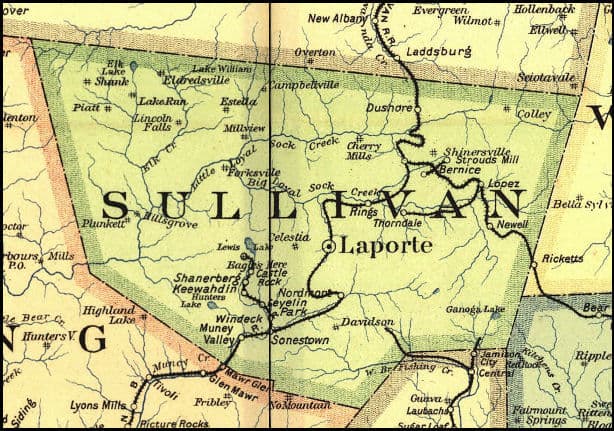
Year round outdoor access in Sullivan County, Practical local guide
This article lays out year round outdoor options across Sullivan County, identifying parks trails and riverfront routes that support physical activity and community connection. Practical tips on parking winter trail use pet rules and where to check for trail conditions matter to residents who rely on nearby nature for health and recreation.
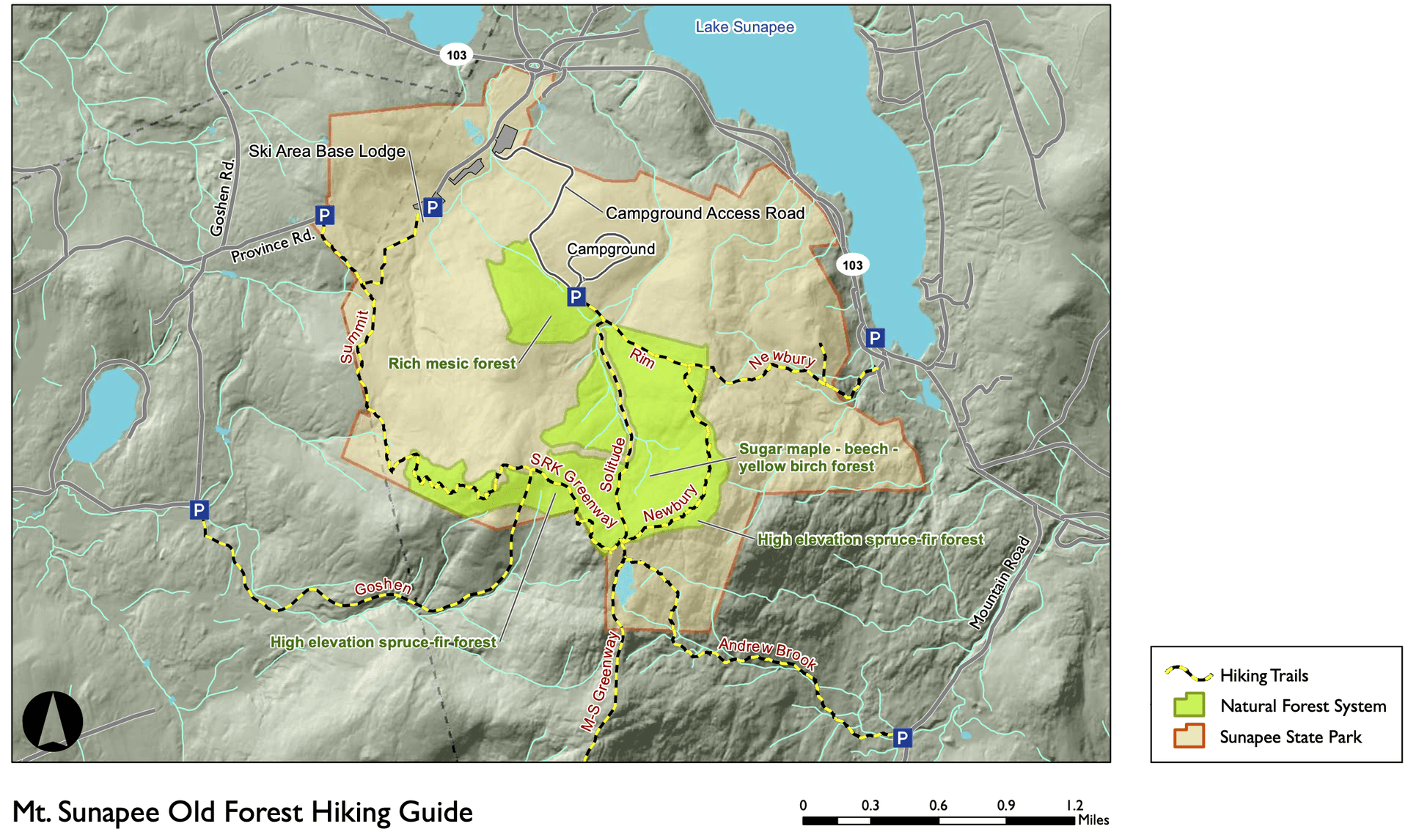
Sullivan County offers a network of parks trails and riverfront routes that provide affordable opportunities for exercise, mental restoration and family time throughout the year. Key sites include Mount Sunapee State Park for multi season hiking and lake views, Sugar River State Park and segments of the Sugar River Rail Trail for walking and cross country skiing where grooming is available, and the Corbin Covered Bridge in Newport for short historical walks along riverside trails.
Closer to town, Arrowhead Recreation Area in Claremont operates on volunteer support and hosts tubing and ski options along with community events. Parlin Field near Newport provides short local walks and informal airport observation. Grantham town forest trails link to the Dunbar Free Library greenway for family outings, while Barnes Park and Claremont riverfront routes offer accessible strolls and host seasonal festivals. Community maintained snow shoe loops and neighborhood sledding hills remain popular local assets during winter.
Practical safety and access tips matter for residents and visitors. Plan for parking and trailhead locations in advance, check state park alerts for closures or grooming updates, and confirm any permit or parking requirements before arrival. In winter wear sturdy boots and bring traction devices to reduce fall risk, follow winter trail use etiquette by yielding and staying on designated routes, and observe posted pet rules to protect wildlife and other users. Volunteer groups often track trail conditions, so contacting town recreation departments or local trail stewards can provide up to date information.
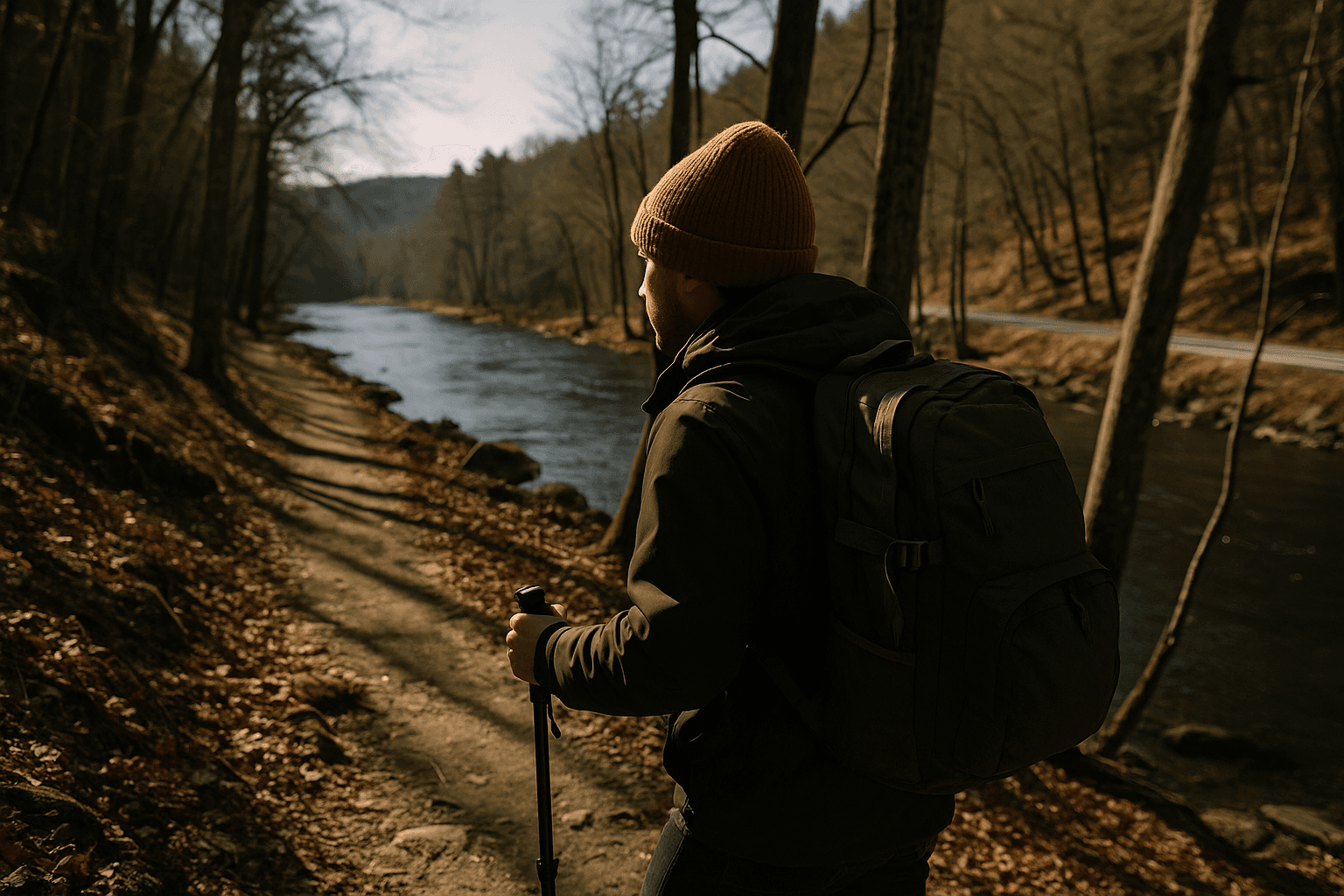
The public health benefits are clear. Accessible outdoor spaces support physical activity, reduce social isolation and can relieve pressure on health services by preventing chronic disease and supporting mental health. Yet access is uneven. Volunteer run sites and seasonal amenities often depend on donations and unpaid labor, and parking fees or remote trailheads can create barriers for low income families and residents with limited mobility. Local policy choices about funding maintenance, improving transit connections and ensuring accessible routes will shape who can safely use these spaces year round.
For immediate planning check town pages and state park alerts for the latest information, and consider connecting with volunteer trail groups to confirm conditions or to offer support. These shared outdoor places are vital community assets, and sustaining them requires both individual preparation and public investment.
Sources:
Know something we missed? Have a correction or additional information?
Submit a Tip