Yuma Shoppers Start Early, Stretch Budgets Amid Rising Prices
Yuma residents are beginning holiday shopping earlier, tightening household budgets, and shifting purchases online as rising prices tied to tariffs add strain to seasonal spending. The trend favors low cost retailers and online platforms, creating mixed outcomes for local businesses and household pocketbooks.
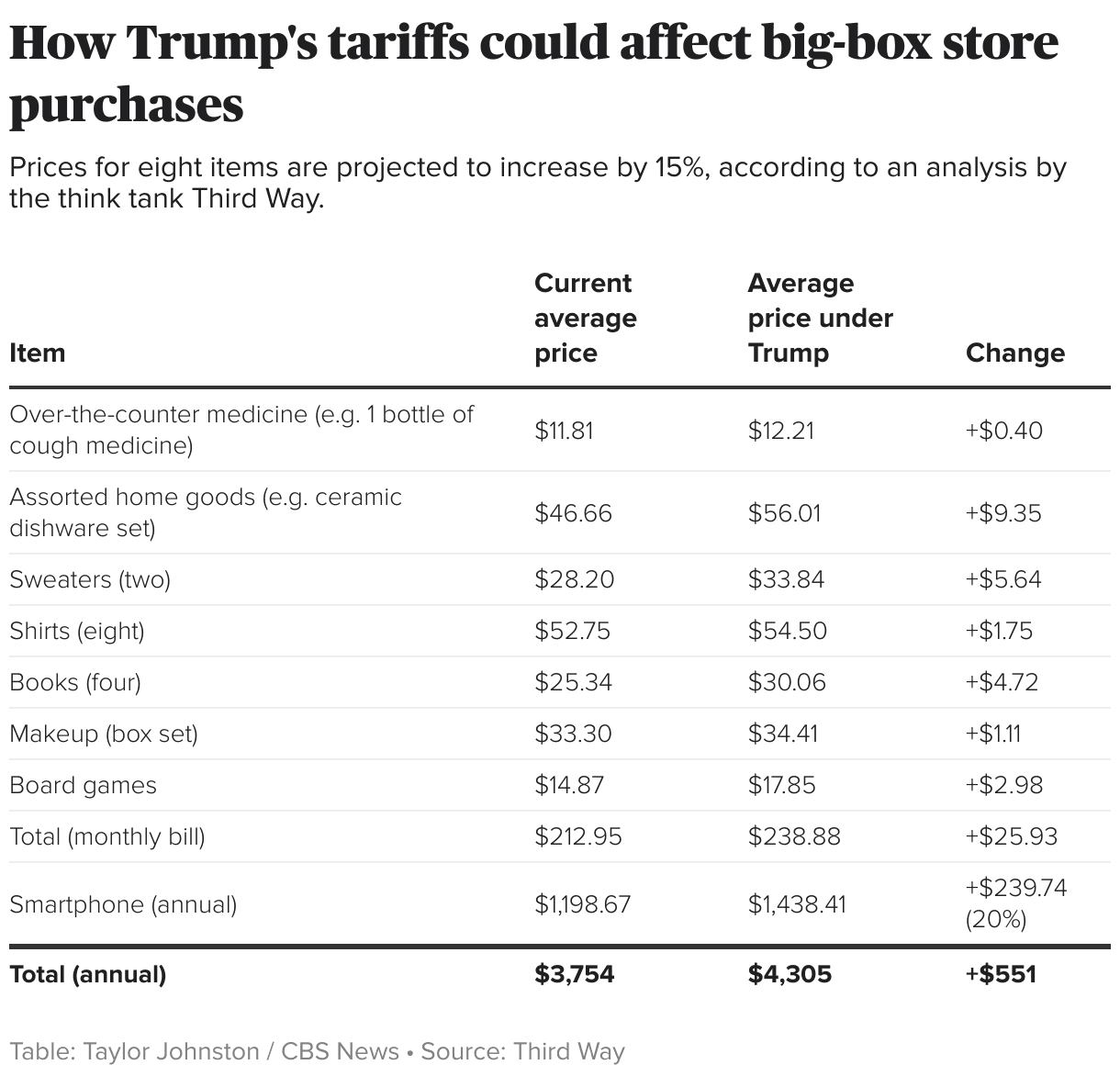
As holiday shopping season arrives in Yuma County many households are changing how they plan purchases to cope with higher costs. Reporter Joaquin Hight spoke to locals who say they are shopping earlier than usual, setting strict budgets, and relying more on online purchases. Shoppers pointed to lower cost retailers such as Five Below as popular destinations for small gifts, while some households plan to split spending between in person purchases for smaller items and online orders for larger gifts.
The behavioral shift is driven in part by price increases that residents attribute to tariffs and broader cost pressures. Tariffs raise the cost of imported goods along supply chains and are typically passed through to retail prices. For consumers this reduces purchasing power during the season when discretionary spending normally rises, and it can prompt households to reallocate spending away from local specialty shops toward discount stores and national e commerce platforms.
Market implications for Yuma are clear. Discount retailers and online marketplaces can capture more of the holiday spend if shoppers seek value and convenience. Local independent retailers face tougher competition because shoppers report splitting purchases or bypassing brick and mortar stores for larger items. Reduced local retail traffic could lower seasonal employment opportunities and sales tax receipts that support county services.
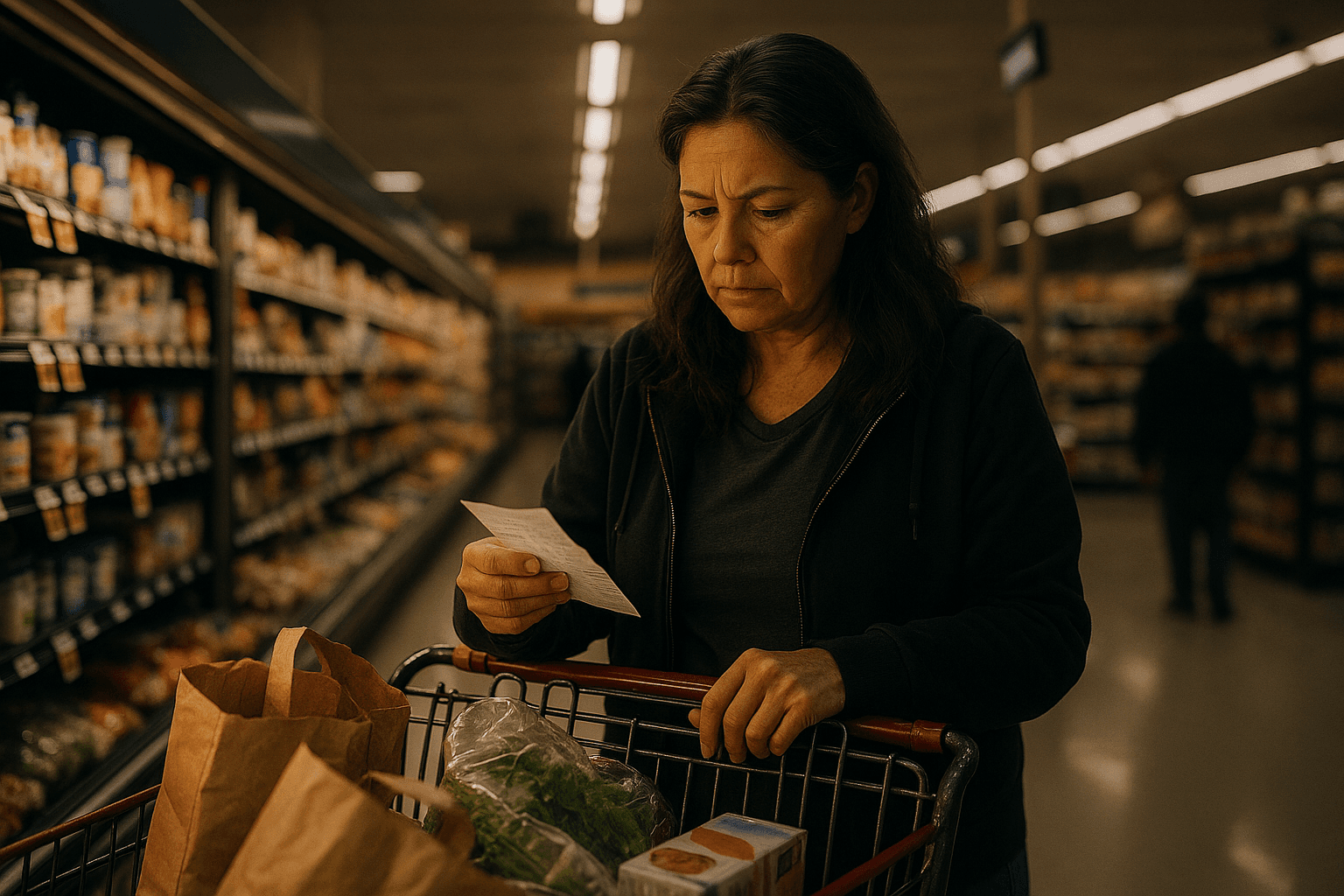
From a policy perspective, tariffs intended to protect domestic industries can have unintended distributional effects at the household level. In a community where many families manage tight budgets, even modest price increases can alter shopping timing and choices. Longer term trends of rising e commerce adoption and the concentration of retail sales among low cost outlets may accelerate if cost pressures persist.
For Yuma families the practical response is to prioritize early planning and strict budgeting to manage holiday expenditures. For local policymakers and business leaders the challenge is to highlight value added in local retail such as service quality, immediacy, and community support to retain shoppers who are increasingly cost conscious.
Sources:
Know something we missed? Have a correction or additional information?
Submit a Tip