2026 coffee trends predict more automation and higher specialty prices
Mirror Coffee Roasters outlined 2026 predictions pointing to rising specialty prices, wider automation, and a renewed appetite for hands-on brewing — implications for roasters, cafés, and home baristas.
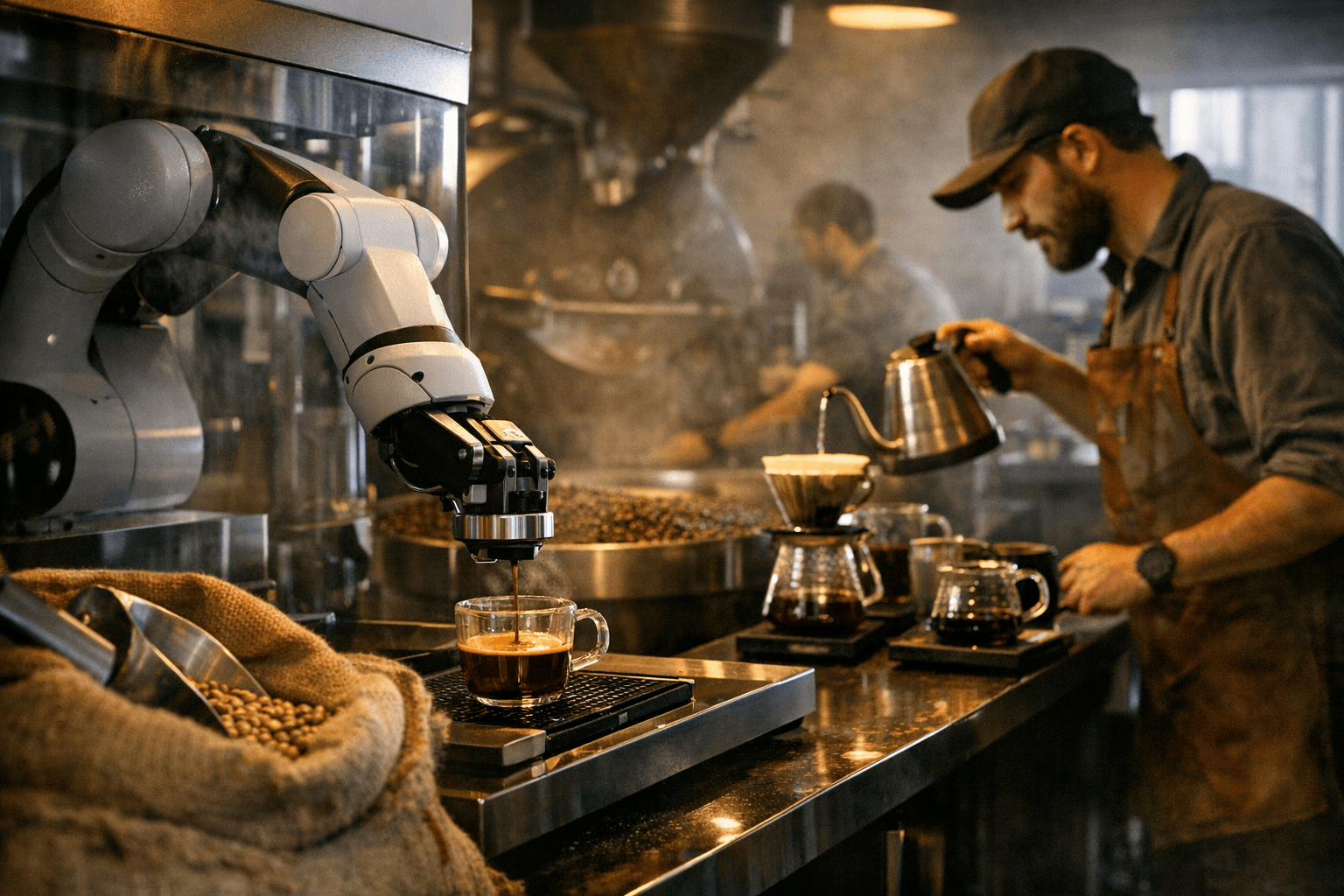
Mirror Coffee Roasters in Bellingham, Washington outlined a set of predictions on January 8, 2026 that sketch how the coffee market will balance automation and craftsmanship this year. The short outlook flags three forces reshaping daily cups: upward pressure on premium pricing, broader automation across production and preparation, and a stronger split between hands-on home brewing and experiential café offerings.
The most immediate effect readers will notice is price movement. Mirror warned that perceived quality and price will decouple from past patterns as supply constraints and evolving quality metrics push prices for premium lots higher. That matters for anyone buying single-origin or small-batch roasts: expect steeper tags on estate-grade and limited-run coffees and plan budgets accordingly. Roasters will need to decide whether to absorb costs, tighten offerings, or pass prices to customers while defending claims of improved quality.
Automation is the second headline. Predictions point to accelerated deployment of automated equipment in both homes and cafés. Home devices that simplify extraction, control water temperature, and reproduce café-style consistency are expected to widen access to specialty results. In cafés, automation will take on routine tasks that historically required skilled labor, freeing staff to focus on quality control and hospitality. Equipment manufacturers and roasters pitching programmatic consistency will find new customers among small shops and busy commuters who prize reliable cups over barista theatrics.
At the same time, Mirror identified a countervailing movement: the rise of the home barista and experiential cafés. Manual brewing techniques, tactile engagement, and crafted atmospheres will gain cultural value as markers of authenticity. Younger, experience-focused audiences will gravitate to cafés that offer hands-on workshops, sensory-rich environments, and barista interaction. For cafés, the business case is clear: automate where it improves throughput and reproducibility, but invest in spaces and programming that justify premium prices and build loyalty.
For roasters and equipment makers, the takeaway is strategic balance. Products and services that combine automated consistency with avenues for craft expression will be best positioned. For retailers and café owners, expect to redesign service models around mixed-mode offerings: quick automated service for convenience and slower, curated experiences that command higher margins.
Our two cents? Invest in systems that let you dial in repeatable quality without killing the human touches that make coffee culture sticky. Whether you’re dialing in a home espresso or rethinking a café floor plan, aim for consistency on the cup and creativity in the experience — that’s what will keep customers coming back.
Sources:
Know something we missed? Have a correction or additional information?
Submit a Tip