Northshore and FigBrew debut 50/50 fig-coffee blend for sensitive drinkers
Northshore Specialty Coffee and FigBrew launched a 50/50 Guatemalan arabica and roasted-fig blend to lower acidity and ease digestive discomfort. It targets sensitive consumers and specialty café menus.
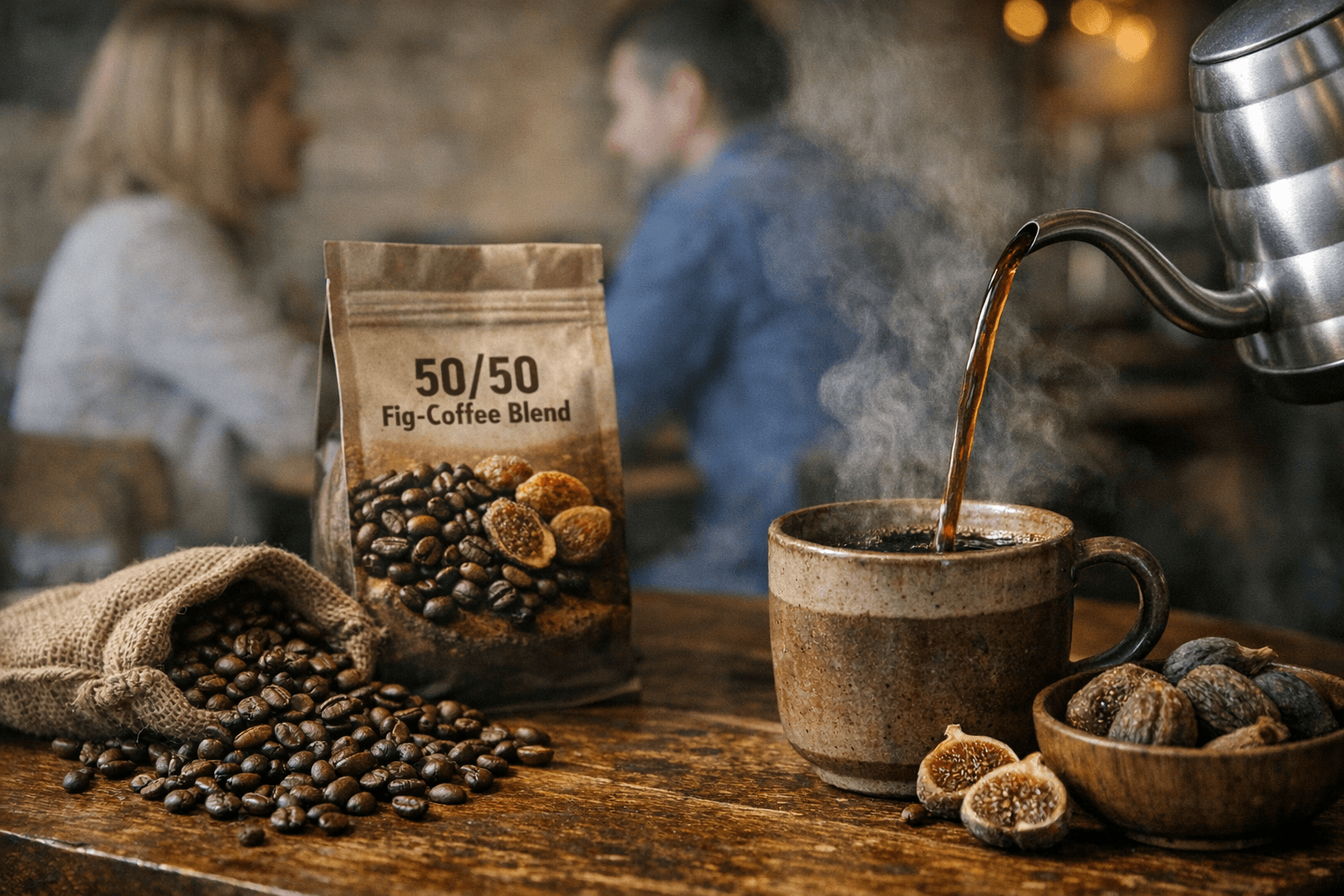
Northshore Specialty Coffee and FigBrew announced a joint product on January 6 that mixes single-origin Guatemalan arabica with a roasted-fig component to create a 50/50 blended brew aimed at people who experience digestive sensitivity from conventional coffee. The coffee side is Huehuetenango Fedecocagua, paired with FigBrew’s Original Digestive Roast, a roasted-fig ingredient developed to reduce acidity and perceived digestive discomfort while preserving aroma and body.
The companies positioned the launch as an industry-first consumer option designed to broaden who can enjoy coffee without the usual acid-related side effects and jitters. They cast the blend as suitable for specialty-café menus and direct-to-consumer retail, saying the product is part of a broader experiment with alternative ingredient synergies that could boost both resilience and comfort in a changing climate. FigBrew’s roasted-fig component was presented as a lower land- and water-footprint ingredient compared with traditional coffee inputs, an angle framed as relevant given the climate pressures that threaten many coffee-growing regions.
For cafés and roasters, the practical value is straightforward: a ready-made low-acidity option to offer guests who report stomach discomfort or sensitivity to caffeine spikes. Operators can introduce the blend on menus as a digestive-friendly choice, feature it in gentle brewing profiles, or offer it as an alternative to decaffeinated or cold-brew options. For home drinkers, the blend offers another path to enjoy familiar coffee aroma and body while potentially reducing acidity-related issues.
This launch also signals a widening of specialty coffee’s ingredient palette. Using fruit-based roasted components to modify acidity and mouthfeel shifts some of the innovation typically focused on processing and roast profiles into a new area: ingredient blending. That could open doors for more hybrid products that combine traditional beans with botanicals or dried fruits to deliver specific sensory or digestive outcomes.
Distribution details, pricing, and full technical specifications were described as available through the partners’ release; interested cafés and consumers should watch for local listings and direct-to-consumer sales as the product rolls out. Expect cafés to test it first on limited menus before broader adoption, and pay attention to how the blend behaves across espresso, filter, and brewed preparations.
Our two cents? If you get stomach trouble from your morning cup, try a sample before you switch. For café owners, label it clearly and let customers taste the difference; for home brewers, look at it as another tool for dialing in comfort without giving up aroma and body.
Sources:
Know something we missed? Have a correction or additional information?
Submit a Tip