AI System Tracks Drug Supply Changes, Alerts Seminole County Officials
On December 29, 2025 Project Overdose expanded deployment of DrugAlert.Ai, an AI-driven monitoring tool that analyzes anonymized toxicology data and community indicators to detect emerging drug threats and forecast waves of illicit substances. For Seminole County residents, the system promises faster, targeted public-health responses—such as naloxone distribution and event medical alerts—while maintaining individual privacy.
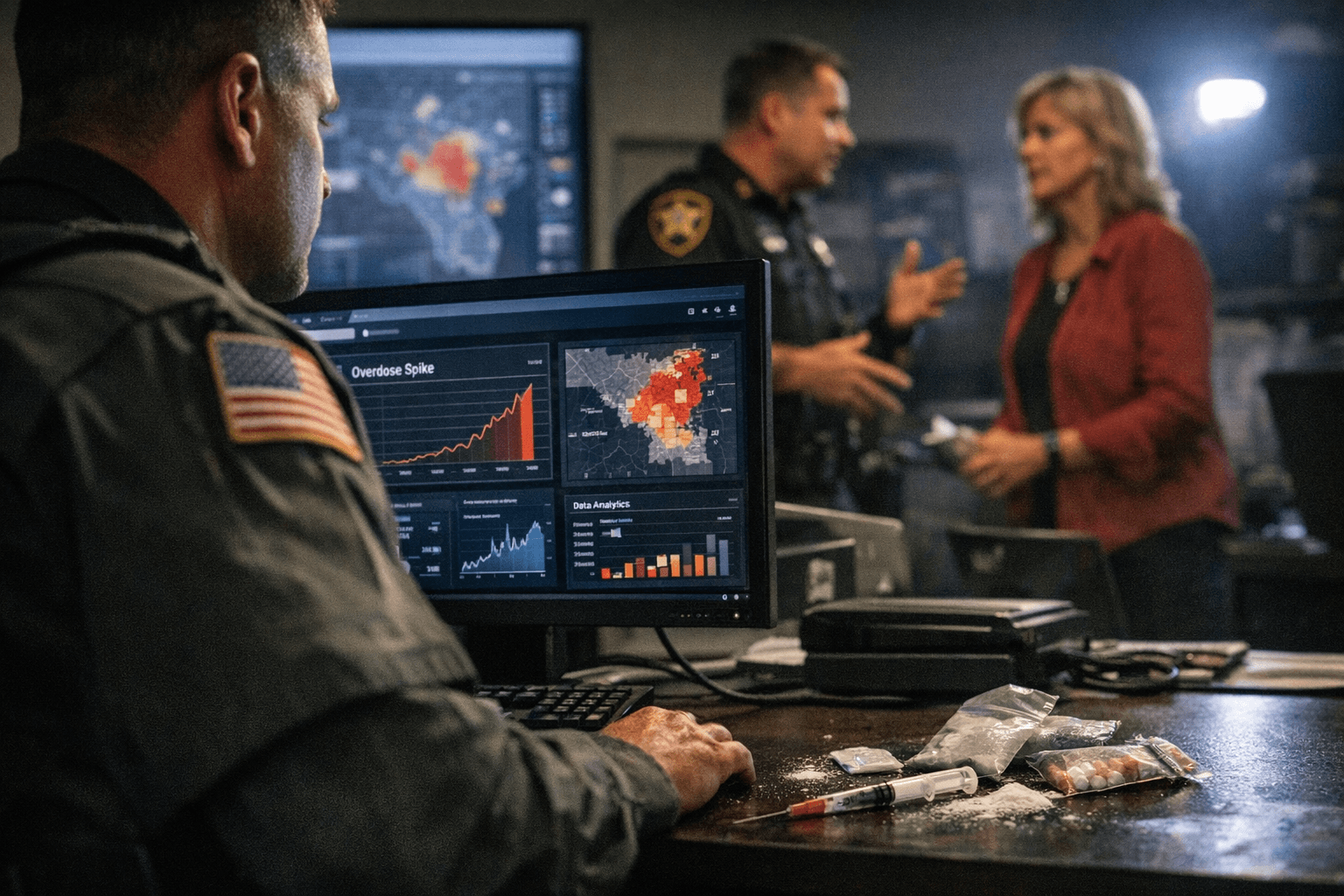
Project Overdose announced on December 29, 2025 that DrugAlert.Ai will be rolled out to additional Florida jurisdictions, bringing an AI-powered early warning capability to more communities. The system ingests anonymized blood and urine testing data together with demographic and community indicators to identify shifting patterns in the local drug supply and to forecast short-term waves of illicit substances.
Local officials say the tool updates frequently and can show changes in drug supply within short time frames, improving situational awareness for public health and law enforcement partners. DrugAlert.Ai previously supported investigations and planning in Orange and Seminole counties by signaling a wave involving carfentanil mixed into other drugs at large events. That signal allowed targeted warnings and preparedness measures aimed at reducing overdoses and improving response readiness.
Project Overdose founder Andrae Bailey compared the tool to a Doppler radar for drug threats. The platform is designed to produce community-level signals rather than identifying individuals, giving responders actionable data to plan naloxone distribution, deploy outreach teams and alert medical staff at public events.
Seminole County Sheriff’s Office officials praised the system for improving situational awareness and speeding public-health responses. By combining anonymized toxicology inputs with demographic context, agencies can better prioritize outreach and resource allocation where indicators suggest heightened risk.
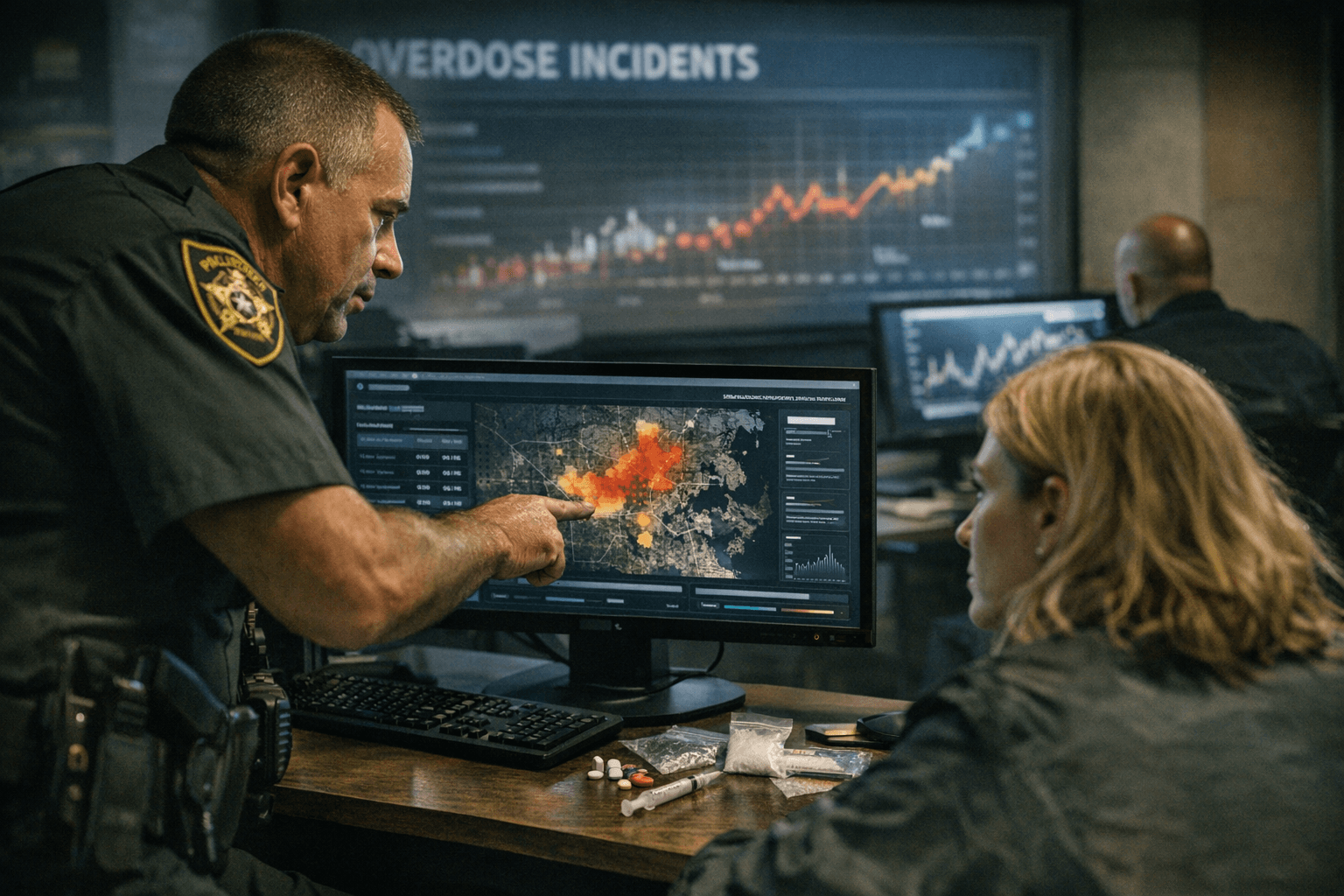
Limitations remain. DrugAlert.Ai depends on the availability and timeliness of laboratory and community data; its effectiveness increases with broader local adoption and consistent reporting. The technology is intended to complement, not replace, traditional public-health surveillance, clinical reporting and law enforcement information-sharing. Officials caution that an AI signal is an early warning tool that should prompt further investigation, targeted testing and community engagement rather than be treated as definitive proof of specific criminal activity.
For Seminole County residents, the practical impact could include more targeted overdose-prevention campaigns, strategically placed naloxone distribution and enhanced medical readiness at large gatherings. Public-health leaders and first responders will need to maintain cross-agency data flows and clear communication with event organizers and health providers to turn AI signals into effective prevention and response actions.
As jurisdictions adopt the system, transparency about data sources, privacy protections and how alerts translate into concrete public-health measures will shape community trust and the tool’s long-term value in reducing overdose harm.
Sources:
Know something we missed? Have a correction or additional information?
Submit a Tip