Seminole County Offers Cremation Assistance for Indigent and Unclaimed
Seminole County Community Health operates a Cremation Assistance program that provides cremations for indigent residents who die in the county and for unclaimed or unknown decedents. The program establishes eligibility rules, required documentation and a rotating list of contracted funeral homes to ensure dignified disposition while limiting costs to families and county services.
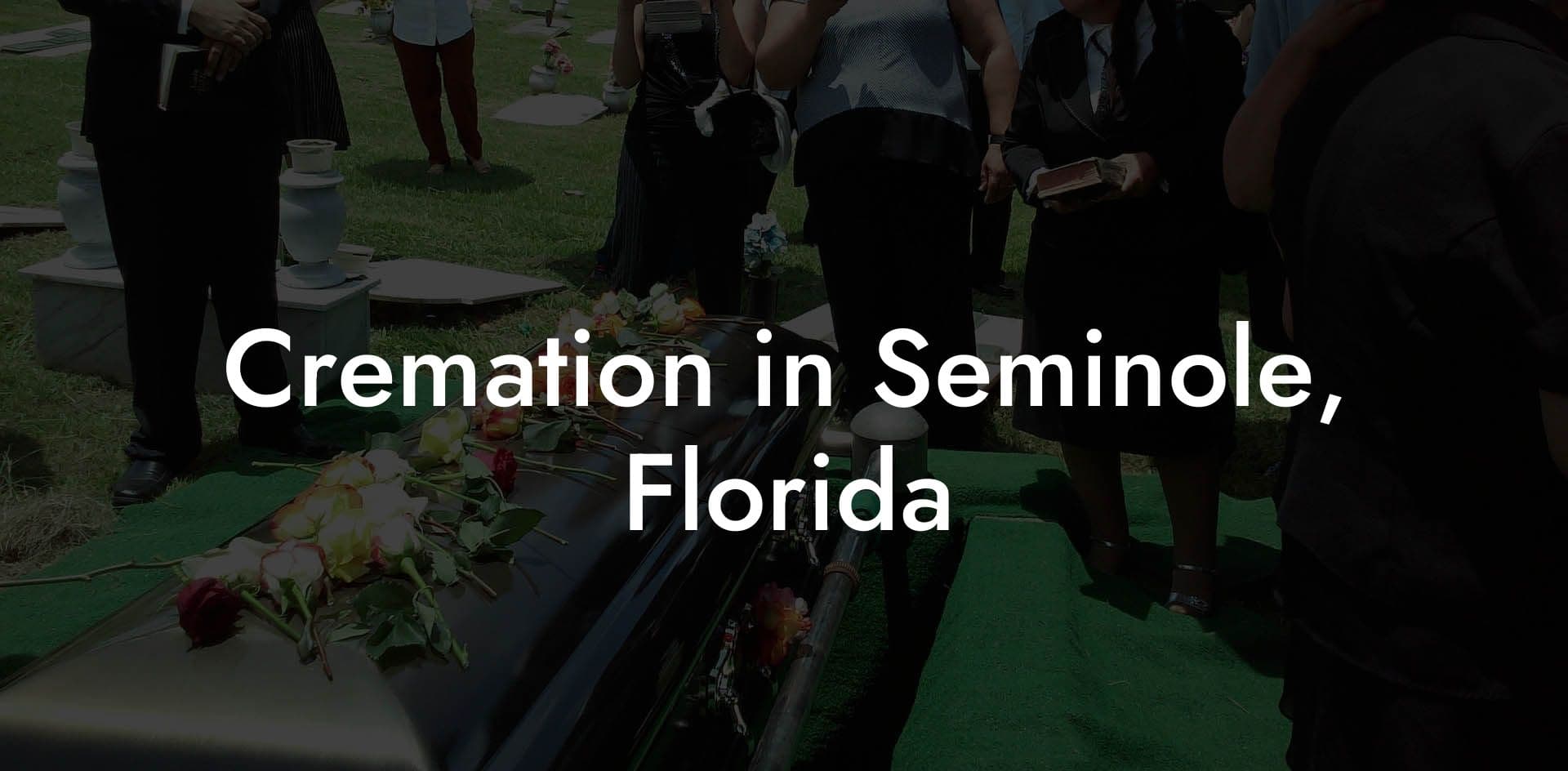
Seminole County Community Health maintains a Cremation Assistance program to provide cremations for people who die in Seminole County and for unclaimed or unknown decedents. The program is intended to serve households that lack resources to pay for disposition and to ensure remains are handled respectfully rather than remaining unclaimed.
To qualify, the decedent must have died in Seminole County, have no life insurance, not own property, and the household must be at or below 100 percent of the federal poverty guidelines. Applicants must submit documentation including a photo ID for the decedent, a photo ID for the applicant or representative, bank statements, income verification, a completed application and an attestation. County staff review applications to determine eligibility and arrange services through contracted funeral homes.
Seminole County uses a monthly rotation of contracted funeral homes to carry out cremations under the program. The contracted provider for January 2026 is American Family Funeral Home in Casselberry. The county page for the program includes contacts, electronic application links and a printable PDF application for families and representatives to use.
For Seminole County residents, the program removes an immediate financial barrier at a difficult time. Funeral and cremation costs can exceed family budgets, and without county assistance some remains risk becoming unclaimed. Beyond individual hardship, timely disposition reduces logistical strain on law enforcement, medical examiners and public health systems and supports community dignity.
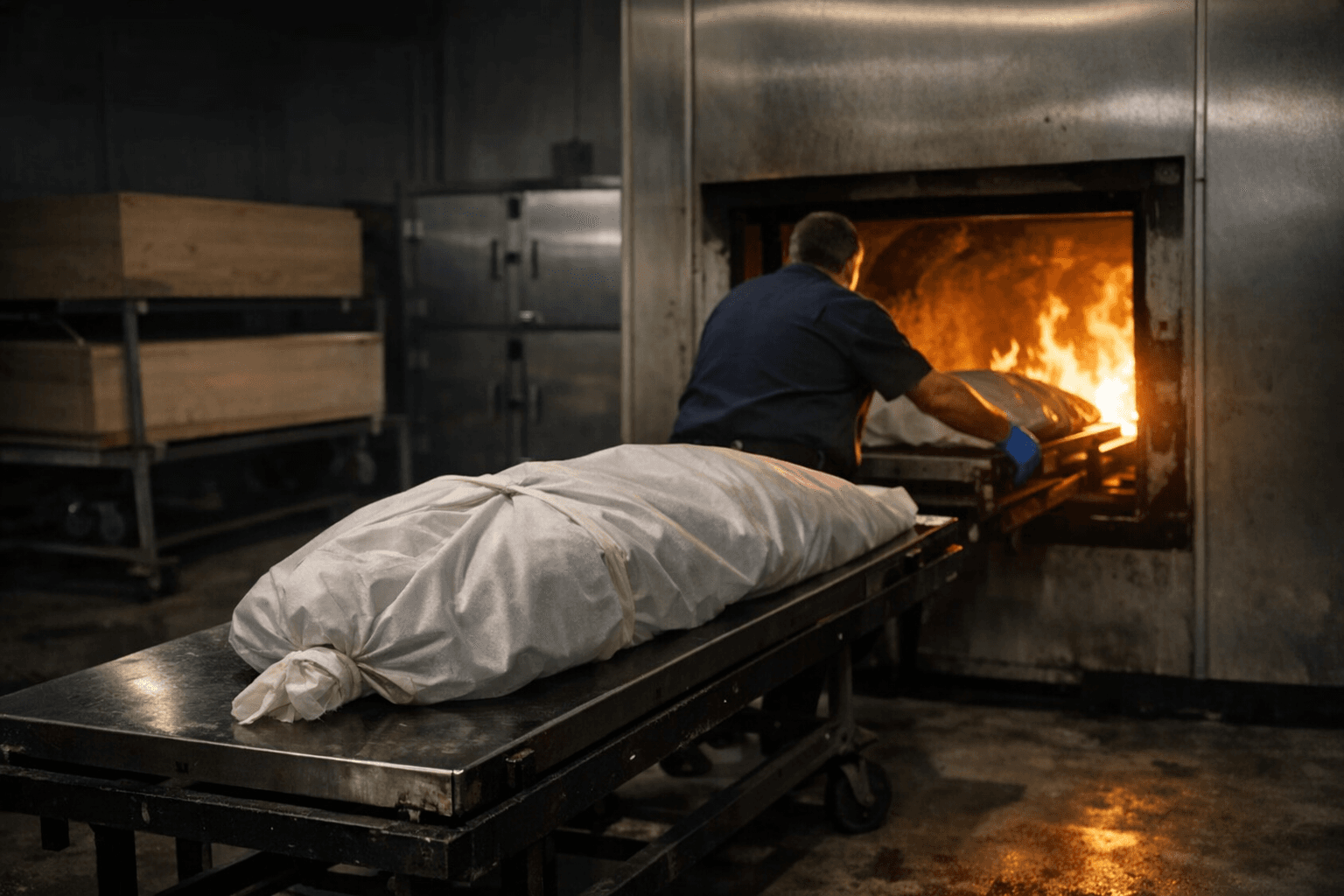
The program’s eligibility and documentation requirements, however, may unintentionally exclude certain low-income people and family members. Requirements such as bank statements, income verification and photo identification can be difficult to meet for people experiencing homelessness, undocumented residents or those estranged from the decedent. The limitation that the decedent not own property may also complicate cases involving modest homeowners or mixed-asset households. Those gaps point to broader policy questions about how local governments balance stewardship of public funds with equitable access to end-of-life services.
Community organizations, faith groups and social service providers can play a role in helping families navigate paperwork and submit applications quickly. For families and representatives seeking assistance, the county provides application forms and contact information on its service page. As Seminole County continues this program, attention to outreach, culturally sensitive practices and streamlined documentation could widen access and strengthen public health protections while preserving dignity for people who die without resources.
Sources:
Know something we missed? Have a correction or additional information?
Submit a Tip