Florida Loses Lightning Capital Title as Strikes Surge Nationwide
For the first time in four years, a city outside Florida overtook the nation's lightning hotspot, with Shady Grove, Oklahoma logging the highest density of strikes in 2025. The shift comes amid a national surge in lightning activity that raises public safety, infrastructure and equity concerns for Seminole County residents.
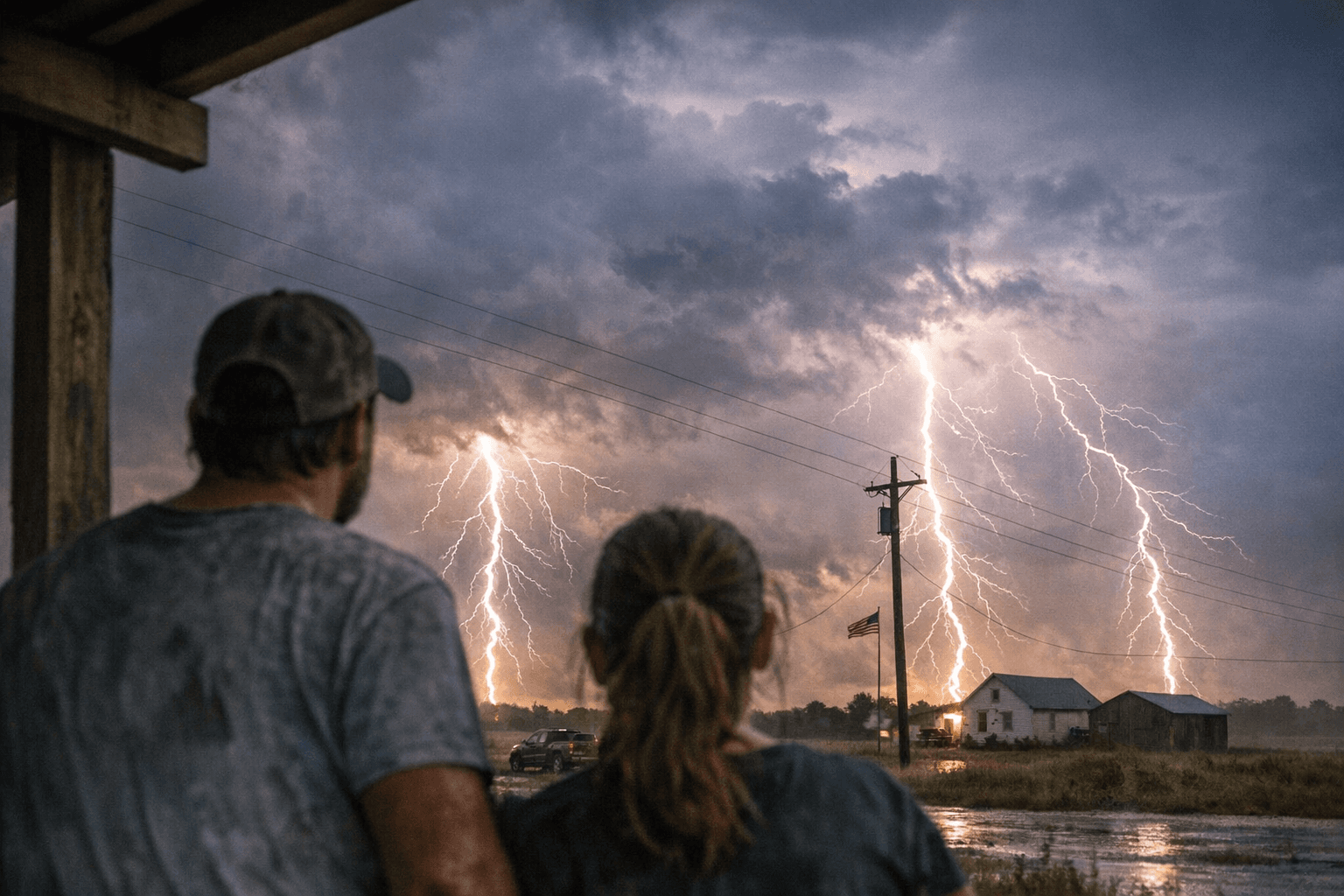
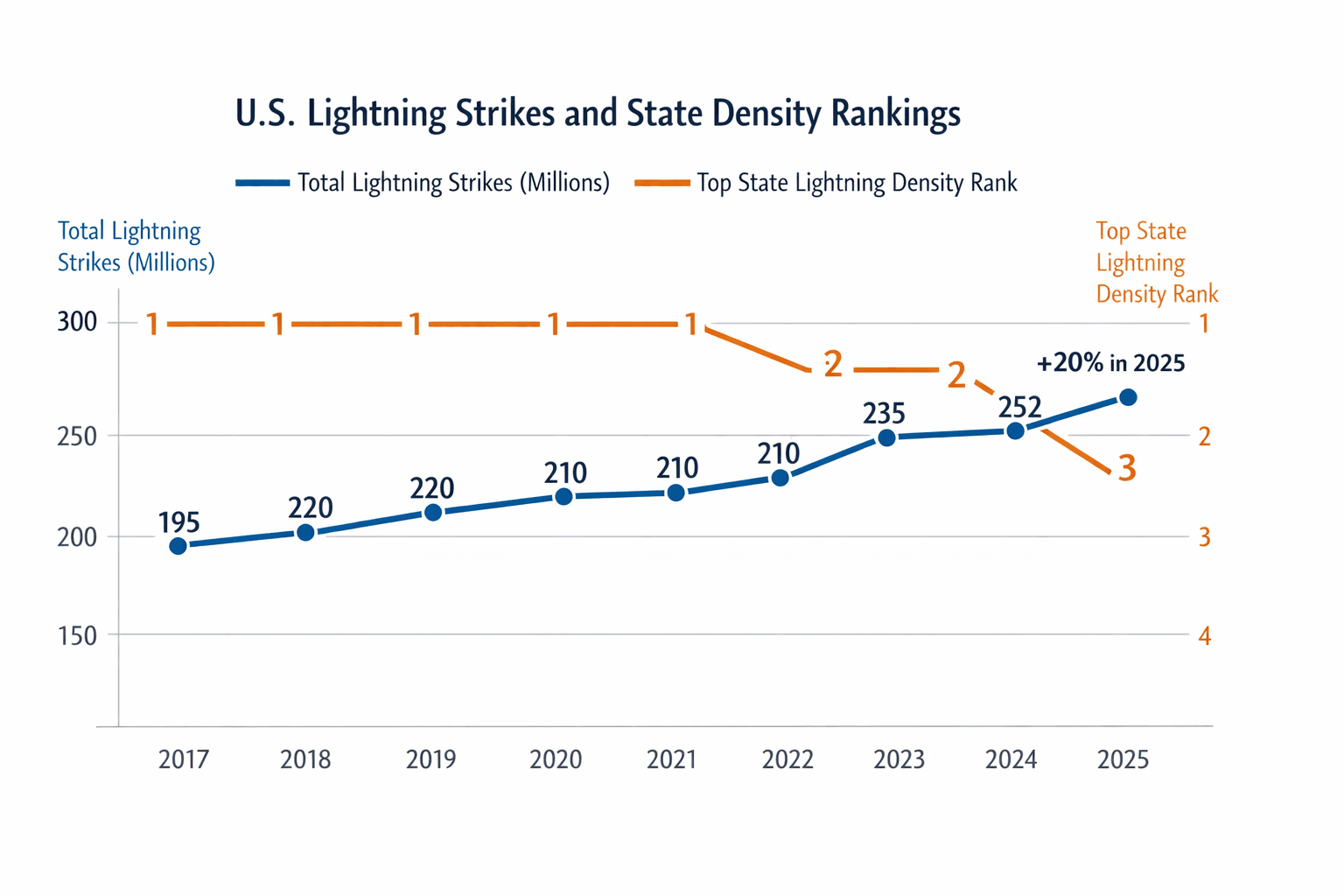
On Jan. 6, 2026, the long-running pattern that placed Florida cities at the top of U.S. lightning rankings changed: Shady Grove, Oklahoma recorded the highest concentration of lightning events last year, registering 3,005 lightning events per square mile and displacing a Florida city that had held the title. The change is notable in a year when lightning activity across the country climbed to its highest level in eight years.
Nationwide, lightning totaled roughly 252 million strikes in 2025, about 20 percent more than the previous year. The season peaked unusually early: the most active lightning day occurred on April 5, when more than 3 million strikes were recorded across the lower 48 states as 157 severe storms, including 21 tornadoes in the Southeast, moved through the region. When adjusted for state size, Florida still leads in lightning density, averaging about 305 lightning events per square mile, followed by Oklahoma, Louisiana, Mississippi and Arkansas.
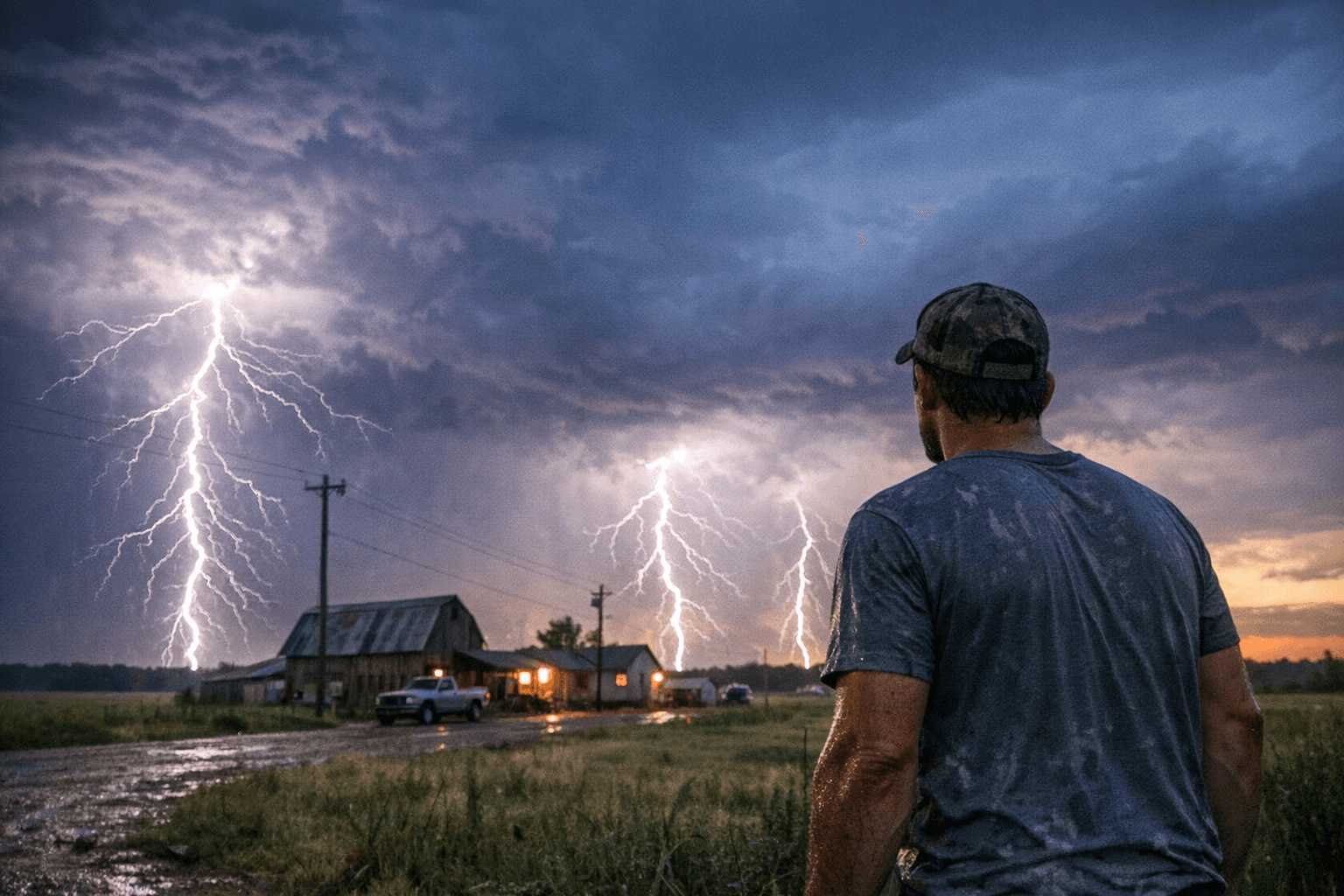
For Seminole County, the numbers are more than a weather headline. Lightning is a clear public health hazard: there were 20 confirmed lightning deaths across the United States in 2025, and Florida accounted for three of those fatalities. Increased strike frequency raises the likelihood of injury and death, strains emergency medical response, and can worsen outcomes when vulnerable residents lack access to safe shelter or timely care.
Community impact ranges from immediate risks during storms to longer-term infrastructure strain. Power outages and damaged electrical systems are common after intense lightning activity, affecting medical equipment users at home and complicating operations at clinics and hospitals. Outdoor workers, youth sports programs and public events face higher disruption and safety risks. Residents in lower-income neighborhoods and congregate living facilities may be disproportionately affected due to older housing, fewer safe indoor options, and limited transportation to evacuation or shelter sites.
Public health and emergency planners in Seminole County should treat the trend as a call to action. Strengthening early warning outreach, ensuring shelters have backup power, coordinating checks on medically vulnerable residents during storms, and updating workplace and school lightning protocols will help reduce harm. Investments in resilient infrastructure and equitable access to shelters and alerts are preventative measures that also address social equity.
As lightning patterns shift and storm seasons evolve, local preparedness and policy responses will determine how well Seminole County protects its most at-risk residents and maintains essential services during increasingly volatile weather.
Sources:
Know something we missed? Have a correction or additional information?
Submit a Tip