Local Radiation Oncologist’s Breast Cancer Journey Alters Patient Care View
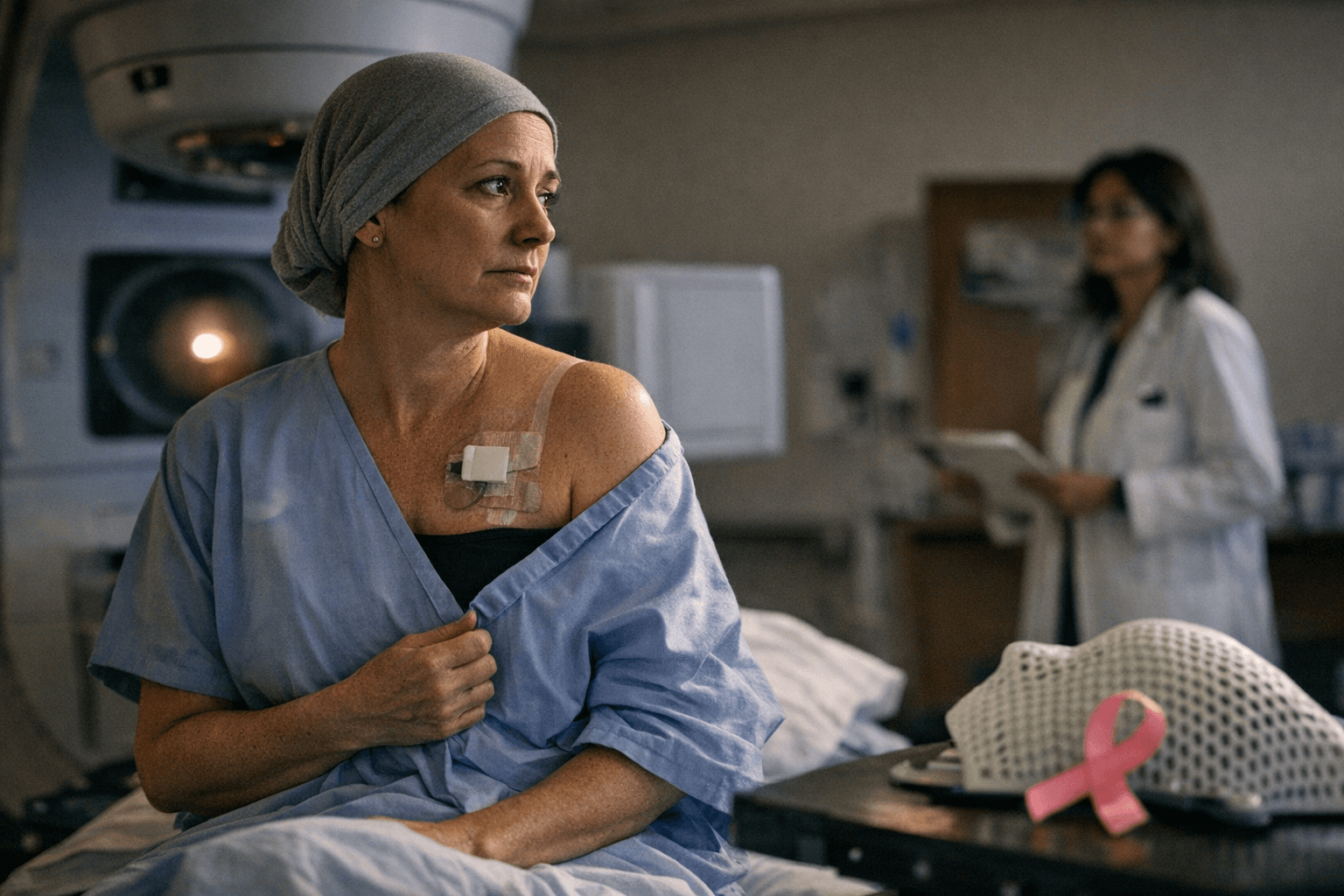
A Seminole County radiation oncologist was recently diagnosed with breast cancer and has shared their dual perspective as physician and patient, describing how clinical knowledge shaped expectations and required new emotional and practical adjustments. Their account highlights the importance of clear communication, interpersonal supports and local treatment resources, with implications for how health systems and policymakers support patients and clinicians in this community.

A local radiation oncologist in Seminole County was recently diagnosed with breast cancer and has publicly recounted the experience of moving from clinician to patient. The physician described how professional knowledge informed expectations about diagnosis and treatment, while also confronting the personal realities of illness that data and protocols do not capture. That juxtaposition has prompted changes in how they think about communicating with patients and structuring care.
The doctor detailed the emotional and practical adjustments that followed diagnosis: managing anxiety and uncertainty, coordinating appointments around work and family responsibilities, and navigating treatment decisions with both clinical insight and lived experience. Clinical training helped anticipate side effects and likely outcomes, but did not eliminate the need for emotional support and clearer, more compassionate conversations about options and quality of life.
Interpersonal supports proved central to coping. Family members, colleagues and multidisciplinary care teams provided practical help and emotional stability during diagnostic workups and early treatment planning. Colleague support also eased the administrative and logistical burdens that can overwhelm patients who work in health care. The physician emphasized that these networks mattered as much as any clinical intervention in sustaining resilience.
The account underscores concrete recommendations for patients facing cancer: seek clear explanations from care teams, involve trusted family or friends in decision making, and use multidisciplinary teams and patient navigation when available. Locally, Seminole County residents can expect a range of supports through hospital-based oncology programs, multidisciplinary clinics and community support services. Access to mental health care, social work assistance and patient navigators can make treatment more manageable, particularly for people juggling employment, caregiving duties and financial strain.
Public health implications extend beyond one clinician’s story. The experience highlights the need for health systems to prioritize communication training, expand patient navigation, and ensure clinicians who become patients receive workplace protections such as flexible scheduling and leave. It also spotlights equity concerns: patients without medical backgrounds may face greater barriers to understanding options and advocating for themselves, reinforcing the importance of system-level supports that reduce disparities in outcomes.
For Seminole County, the physician’s journey is a reminder that medicine combines technical skill with human connection. As local care teams, policymakers and community organizations consider how to strengthen cancer care, this account makes clear that empathy, accessible information and robust social supports are essential components of equitable treatment.
Sources:
Know something we missed? Have a correction or additional information?
Submit a Tip