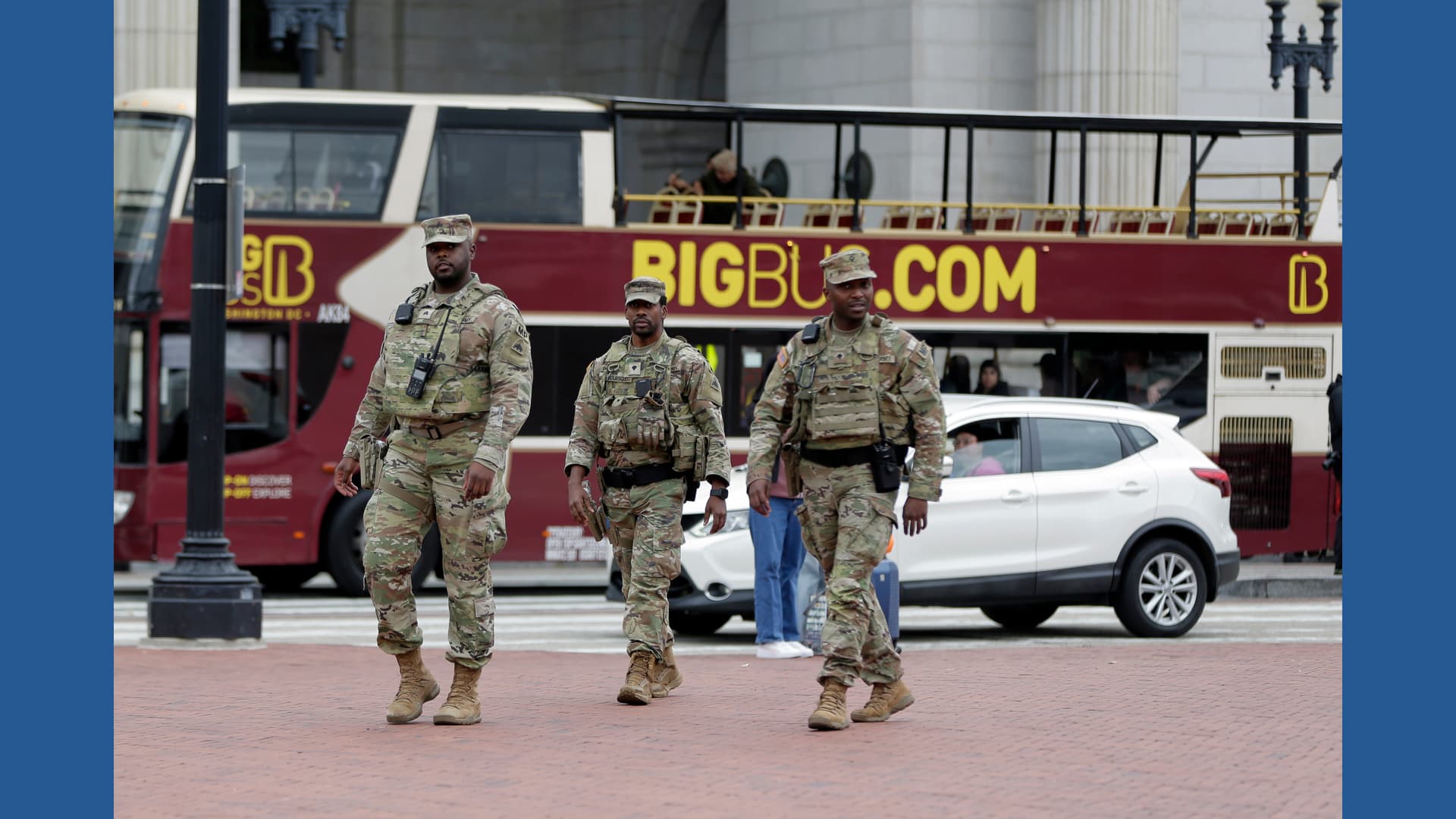
Allegations of Abuse and Secret Deportations Surface at Fort Bliss Camp
Civil rights groups and local advocates say personnel at a large immigration detention center on the Fort Bliss army base in Texas subjected detainees to beatings, sexual abuse and clandestine deportations. The coordinated complaints, shared with organizations that monitor immigration enforcement, have prompted urgent calls for independent investigations and the public release of records, raising fresh concerns about oversight, health care and legal rights for migrants.

Civil rights organizations and local community groups disclosed on December 10 that they have filed coordinated complaints alleging a pattern of violent and clandestine conduct by personnel at an immigration detention site housed on the Fort Bliss army base in Texas. The allegations include physical beatings, sexual abuse and the forcible transfer of non Mexican detainees into Mexico, according to the submissions made to groups that monitor U.S. immigration enforcement.
Advocates say the complaints were shared with oversight organizations and with local partners monitoring conditions inside the facility, and that the reporting adds to ongoing scrutiny of detention practices across the immigration system. The groups are calling on authorities, including military officials responsible for operations at the site, to open independent investigations and to make relevant records public so that the allegations can be fully examined.
The allegations strike at the intersection of public health, human rights and immigration policy. Physical and sexual violence in detention settings carries immediate and long term health consequences, including untreated injuries, sexual transmitted infections, post traumatic stress and other mental health harms. When abuse occurs in a context where access to independent medical evaluation and legal counsel is limited, the risks to individual health and to public safety grow, advocates say.
The reported clandestine deportation of non Mexican detainees into Mexico raises distinct legal and humanitarian questions. Forced transfers across borders without transparency can leave people stranded without access to asylum procedures, family reunification or medical care, and can create acute public health risks if individuals are returned without screening or follow up care. Community groups serving migrants in border regions warn that such practices, if verified, would exacerbate already fragile cross border networks of support and further marginalize people with limited linguistic or legal resources.
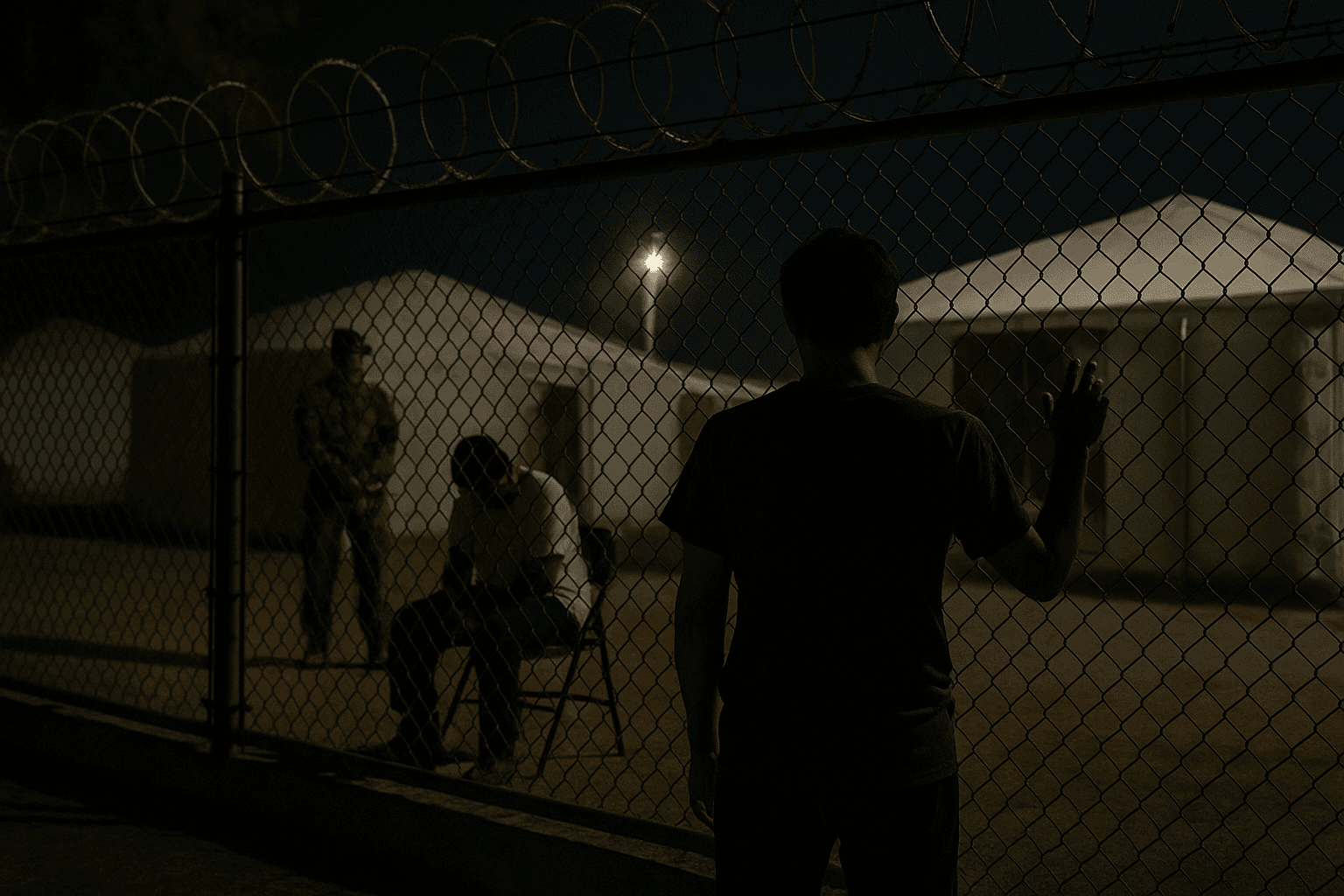
Military officials and immigration enforcement agencies have face heightened scrutiny in recent years over the use of military facilities to hold migrants. Critics argue that the involvement of defense installations in immigration detention complicates civilian oversight and can impede timely disclosure of records. The complaints lodged in recent days include explicit demands that records be released and that civilian and independent investigators be permitted to examine conditions and treatment of detainees.
Local legal aid organizations and health clinics that work with migrant populations have issued urgent appeals for greater transparency and for immediate measures to protect detainees health and safety. Advocates are also pressing for routine, independent medical screenings and trauma informed care for anyone released from custody, and for mechanisms to ensure families receive accurate information about the whereabouts and status of loved ones.
The disclosures at Fort Bliss are likely to renew debate in Washington and in border communities about the balance between immigration enforcement and humane, evidence based standards of care. As the complaints move through oversight channels, public health experts and civil rights advocates are urging rapid independent review, the release of records to the public, and policy changes to prevent future harms and to ensure equitable treatment for all people held in custody.
Sources:
Know something we missed? Have a correction or additional information?
Submit a Tip