House Committee Weighs AGOA Extension, South Africa Faces Possible Exclusion
A House committee is set to consider a proposed extension of the African Growth and Opportunity Act today, with lawmakers warning that South Africa could be singled out for exclusion amid bilateral trade and policy disputes. The outcome matters to U.S. strategic influence in Africa, exporters on both sides of the Atlantic, and the integrity of congressional oversight over trade policy.
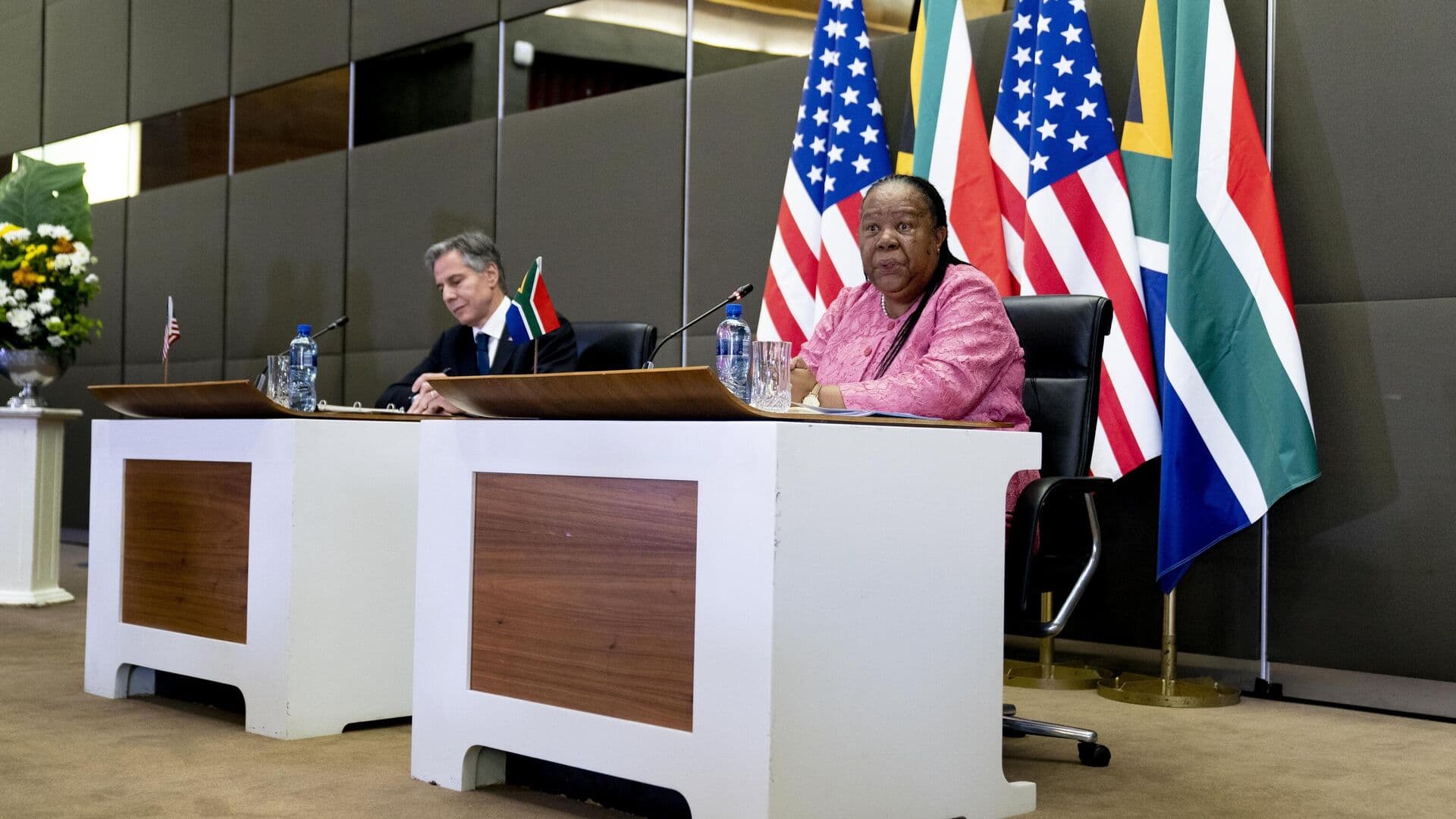
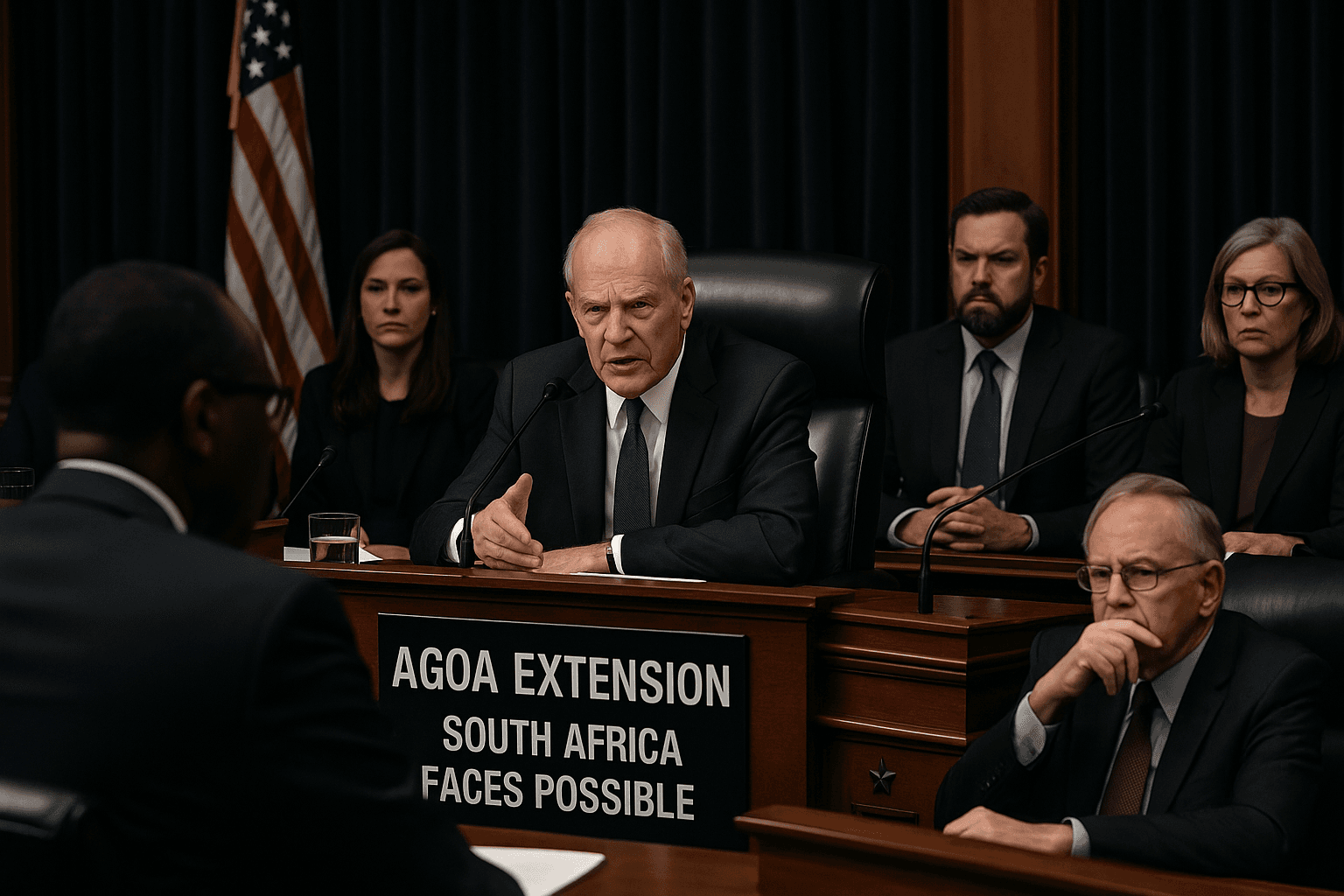
A House committee will review a bill today to extend the African Growth and Opportunity Act, the United States trade program that grants eligible countries in sub Saharan Africa preferential access to U.S. markets. Lawmakers and congressional aides say South Africa is at risk of being singled out for exclusion as members debate the terms and duration of the renewal, though the current draft text does not explicitly name any single country.
The draft measure under consideration would extend AGOA for three years, a shorter window than some advocates sought. The compressed timeline has heightened scrutiny of eligibility criteria and the mechanics by which Congress could remove or suspend a country from the program. U.S. Trade Representative officials and African diplomats have been engaged in recent weeks as lawmakers press for briefings and background information on the potential diplomatic and economic consequences of legislative choices.
AGOA has been a central pillar of U.S. trade engagement with the continent since its enactment, allowing duty free access for a range of goods from eligible partners. Republican and Democratic lawmakers have used the program to advance both commercial and governance objectives, tying preferences to statutory criteria including market based economic reforms. That dual purpose has made renewals politically charged, and the prospect of excluding South Africa puts broader U.S. policy objectives into sharper relief.
Lawmakers flagging the possibility of exclusion point to unspecified trade and policy disagreements between the South African government and the U.S. administration as the underlying cause of the tension. Congressional staff say members are weighing whether legislative language should give the executive branch explicit authority to remove beneficiaries, or whether Congress should retain a more active role. Those institutional choices will shape the balance of power between Capitol Hill and the White House on trade enforcement and diplomatic leverage.
For South Africa and other eligible economies, the stakes are concrete. Preferential access under AGOA supports exporters, investors and jobs in sectors ranging from textiles to agriculture and manufactured goods. Even the prospect of exclusion can affect investor confidence and supply chain decisions, according to trade analysts who have monitored past AGOA cycles. African diplomats engaging with USTR and congressional offices are focused on securing certainty and clarity for their exporters ahead of any final vote.
The committee deliberations will also test congressional appetite for linking trade preferences to geopolitical objectives in Africa, where competition from other global powers has increased demand for clear U.S. policy signals. Lawmakers will face pressure from advocacy groups, industry associations and foreign governments as they weigh a three year extension against calls for a longer renewal that could provide greater predictability.
Committee action this week will set the terms for floor consideration and shape negotiations with the executive branch. As Congress moves toward a decision, members will be asked to balance short term political pressures against long term strategic and economic interests in U.S. engagement with the continent.
Sources:
Know something we missed? Have a correction or additional information?
Submit a Tip