EPA Removes Climate Science Pages, Raising Data Access Concerns
Federal agency edits to core climate webpages drew scrutiny after media reports said scientific summaries of human driven warming were removed or reframed. The changes matter because reliable federal climate information underpins adaptation planning, insurance markets, and multibillion dollar public investments.
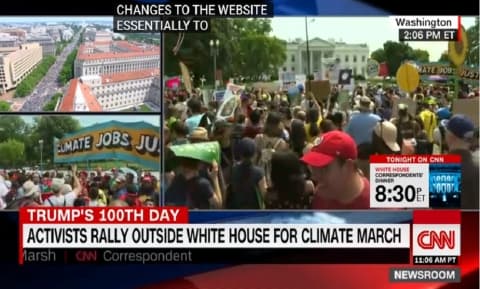
Media reports on December 9 and 10 said the U.S. Environmental Protection Agency removed or revised several webpages that previously presented scientific summaries of human driven climate change and its impacts. Among the pages cited in coverage by Agence France Presse and excerpts in the Washington Post were a page titled "Causes of Climate Change" and materials that tracked U.S. warming impacts. Some content focusing on sea level rise and Arctic ice was reportedly deleted, while other pages were reworded to emphasize natural processes.
The agency framed the edits in communications and briefings as part of shifting priorities, according to the reporting. Scientists, environmental advocates and political opponents quickly criticized the changes, warning that removing or reframing peer reviewed science on an official federal site undermines public access to climate data and could erode trust in government science.
The timing matters beyond semantics. Federal climate information is a practical input to economic decisions across the public and private sectors. Cities and states rely on federal projections to design coastal defenses and long lived infrastructure. Insurers and reinsurers use authoritative federal datasets to price risk and to decide where to offer coverage. Private investment in clean energy and resilience depends on consistent, credible metrics of physical risk and regulatory expectations. Recent federal climate and clean energy programs authorized by Congress committed more than $300 billion to reduce emissions and accelerate deployment of low carbon technologies, making clarity from agencies particularly important for implementation and market confidence.
Analysts said sudden changes to an authoritative resource can introduce uncertainty. Risk modelers recalibrate when inputs change, and municipal bond markets pay for clarity in future cost estimates. Where federal data are reduced or removed, states and localities may turn to private vendors or academic centers for projections, a shift that can raise costs for smaller jurisdictions and complicate federal grant comparisons.

The dispute also revives longstanding tensions about the role of science in regulatory agencies. Critics argued the edits amounted to a political scrub of climate science, and said the move would invite congressional oversight, litigation, and intensified review by scientific advisory bodies. Supporters within the agency framed the work as aligning publications with current program priorities, a point made in agency briefings cited by the media.
Long term, the decision could accelerate a decentralization of climate information if public users lose confidence in federal repositories. That would have distributional consequences because wealthier localities and firms can buy bespoke data and models, while lower income communities could face mismatched adaptation investments. It could also affect the market cost of climate risk, as fragmented data lead to wider spreads in risk assessments and financing costs for vulnerable regions.
For now the episode has focused attention on how federal agencies curate and present science. Stakeholders from state planners to investors will be watching whether the agency reinstates, revises, or documents the changes, because reliable, transparent data remain a prerequisite for effective adaptation and market stability.
Sources:
Know something we missed? Have a correction or additional information?
Submit a Tip