Federal Judge Orders Return of National Guard to California Control
A federal judge in San Francisco has ruled that the Trump administration exceeded its constitutional authority when it federalized about 300 California National Guard troops, ordering them returned to Governor Gavin Newsom. The decision curtails a rare presidential takeover of state forces, raising immediate questions about civilian oversight, community safety, and the limits of federal power.
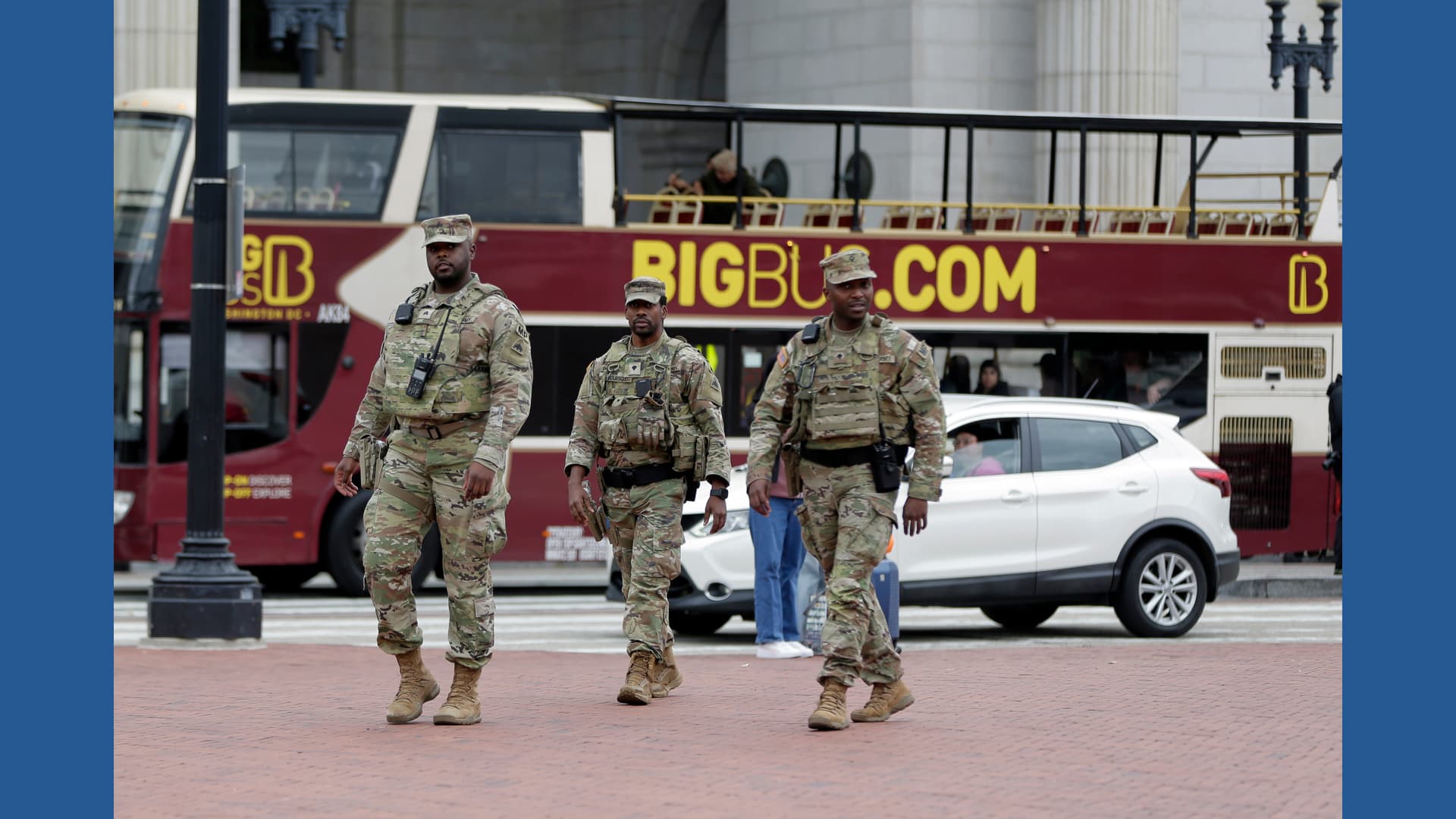
A U.S. District Judge in San Francisco has ordered that roughly 300 members of the California National Guard who were federalized by the Trump administration in August be returned to the authority of Governor Gavin Newsom, concluding that the presidential takeover exceeded constitutional limits. The ruling, issued on December 10, 2025 by Judge Charles Breyer, found that the state’s challenge to the federalization was justiciable and that the administration’s legal theory was unacceptably broad.
California brought the suit after the administration moved Guard troops from state to federal control, citing protests as justification for suspending state oversight. The state argued that the circumstances cited did not support the extraordinary step of federalizing the Guard, and that the transfer undermined constitutional principles that preserve state command of state military forces. Judge Breyer rejected the government’s contention that such decisions are immune from judicial review, finding that courts have a role in policing the boundary between state and federal authority.
The order applies to an August directive that had placed the troops under federal control through February 2026. The decision represents a notable legal setback for the administration’s domestic troop deployments and establishes a check on the executive branch’s capacity to unilaterally assume command of state-controlled forces in response to civil unrest.
Beyond the immediate transfer of personnel, the ruling carries practical and political consequences for public safety and community relations. State control of the Guard typically situates those units within local chains of accountability, subjecting them to state rules on engagement and civilian oversight. Returning troops to the governor’s command restores those channels of responsibility at a time when many communities remain wary of militarized responses to protests. Public health and social services agencies that rely on coordinated state responses to disasters and emergencies may also regain clearer lines of coordination now that Guard units will be under state direction.
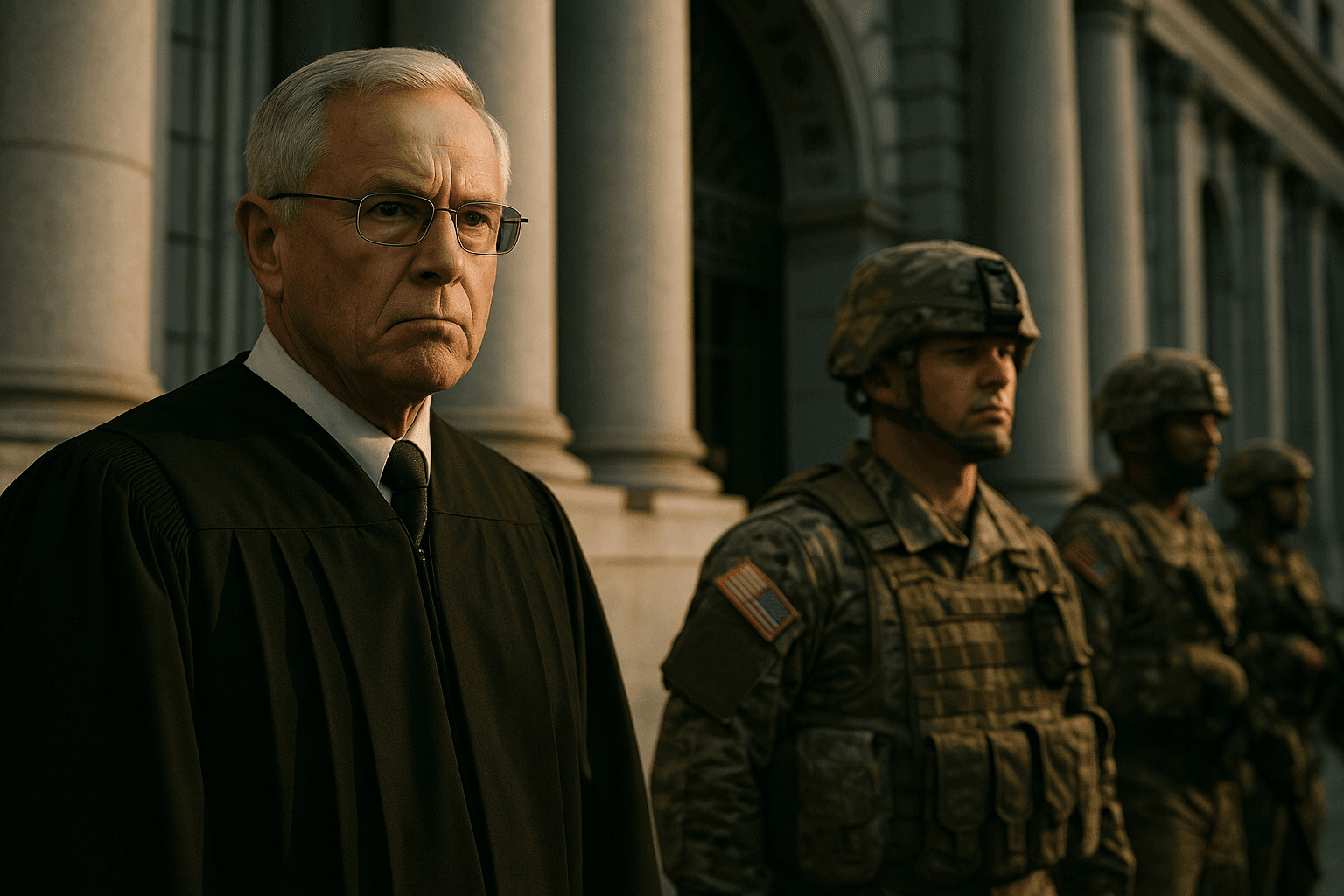
Advocates for civil liberties and community groups welcomed the decision as a reinforcement of federalism and local accountability, while legal scholars said the ruling could constrain future administrations seeking to deploy federalized troops domestically. The opinion’s rejection of a blanket immunity for presidential decisions to federalize state forces underscores the judiciary’s role in interpreting constitutional boundaries, especially when actions affect civil rights and the dynamics of crowd management.
The ruling will reshape the immediate posture of Guard deployments in California and may prompt further litigation over the scope of presidential authority during episodes of domestic unrest. It also sharpens an ongoing national debate about how best to balance the need for public order with protections for protest, local governance, and equitable treatment of communities disproportionately impacted by heavy handed security measures.
Reporting Jack Queen. Editing Franklin Paul, Chizu Nomiyama, Will Dunham.
Sources:
Know something we missed? Have a correction or additional information?
Submit a Tip