Apple and Google Warn Users Worldwide of State linked Surveillance Targeting
Apple and Google issued fresh cyber threat notifications in early December alerting users they may have been targeted by state linked surveillance actors. The alerts, issued on Dec. 2 and Dec. 3 respectively, are intended to raise the costs for spyware operators and often prompt government and researcher investigations that can protect affected users.
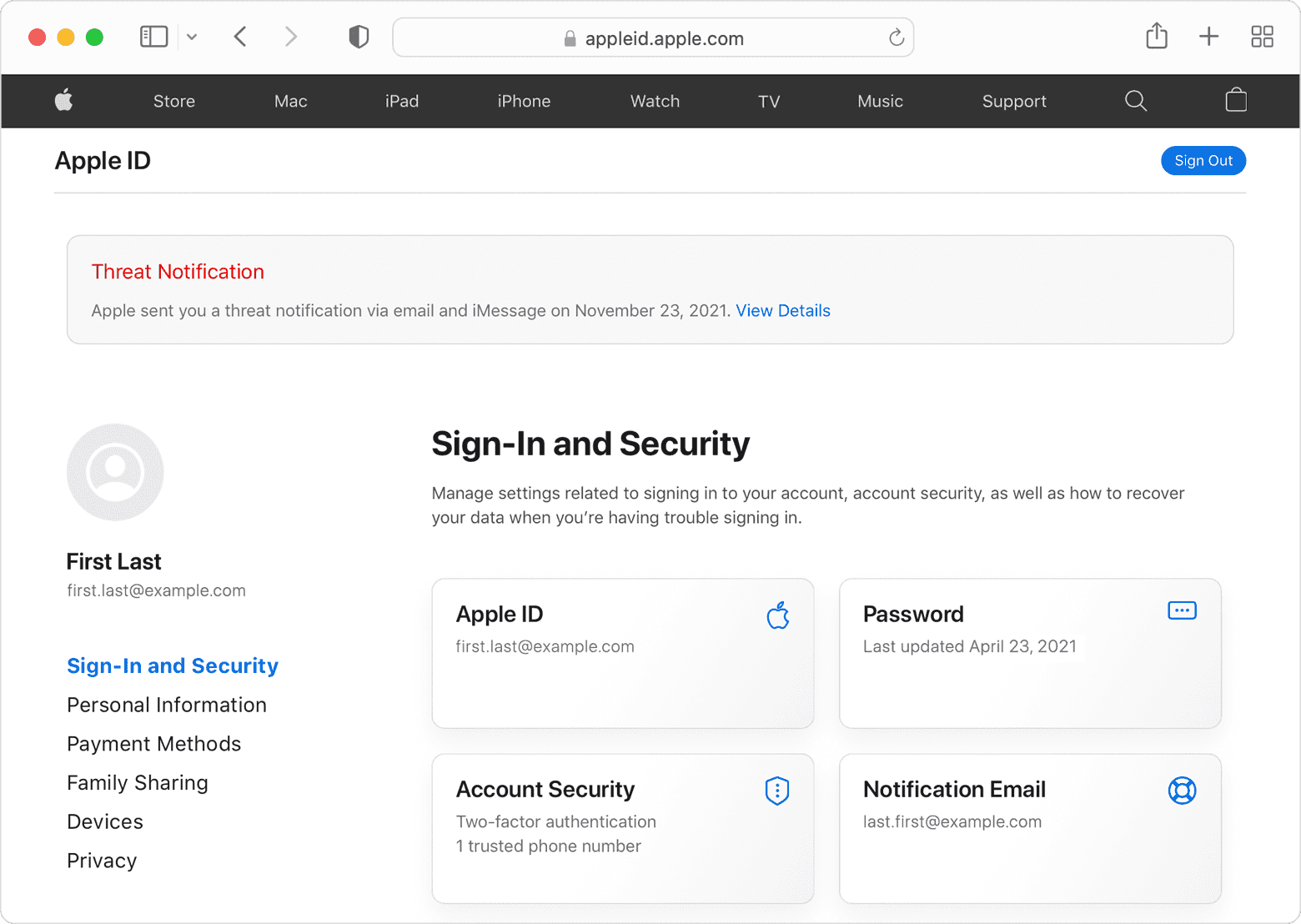
Apple and Google sent new waves of cyber threat notices in early December to users around the world, warning that they may have been targeted by state linked surveillance operators. Apple said it issued alerts on Dec. 2 and that, with this round, it has now notified users in more than 150 countries in total. Google announced on Dec. 3 that it had warned known users targeted by Intellexa spyware, describing the affected set as "several hundred" accounts across multiple countries.
Platform alerts of this kind have become a central tool for technology companies to respond to suspected exploitation without publicly disclosing every detail of an investigation. Companies contend that notifying potential victims can blunt the effectiveness of commercial spyware by forcing operators to change tools and tactics, and by giving targets a chance to secure their devices. Security researchers and government investigators routinely use such notifications as starting points for follow up inquiries that can lead to broader technical analysis and, in some cases, legal action.
The notices do not typically reveal full attribution or the complete scope of targets, a constraint that can frustrate advocates and investigators seeking to map the global scale of spyware use. Companies say limited disclosure reflects legal sensitivities, privacy considerations for potential victims, and the need to avoid tipping off adversaries. Security experts interviewed by reporters after this latest round of alerts said that even without a full public accounting, notifications can be an important first step toward accountability and protective action for affected users.
Intellexa, the named spyware in Google's advisory, is part of a contested market for surveillance tools used by a mix of private firms and state clients. Commercial spyware firms argue they sell legitimate services to lawful authorities, while critics say the technology is used to target journalists, activists, political opponents and others in ways that undermine civil liberties. The new alerts come as policymakers in several regions weigh tighter controls on the export and sale of surveillance technologies.

For users who received warnings, the immediate benefit is practical. Companies typically accompany advisories with guidance on securing accounts and devices, such as updating software, changing passwords and reviewing account activity. Digital rights groups and independent security labs often offer assistance in analyzing whether a device was compromised and how to remediate any breaches.
The broader significance of these notifications lies in their deterrent effect. By publicly acknowledging suspected targeting, platforms increase the operational cost for surveillance firms and the states that rely on them. That pressure can yield technical defenses, regulatory scrutiny and, in some cases, criminal investigations. As commercial spyware grows more capable, these platform led alerts are likely to remain a key lever in the contested effort to protect digital privacy while preserving legitimate law enforcement tools.