Judge Orders Google to Limit Default Search and AI Contracts to One Year
A federal judge ruled that Alphabet Inc. subsidiary Google must renegotiate any contract that makes its search engine or artificial intelligence app the default on phones, browsers or other devices at least once every year. The decision aims to curb long term exclusivity that the court found contributed to unlawful monopolization, and could quickly reshape how consumers encounter search and AI assistants on their devices.

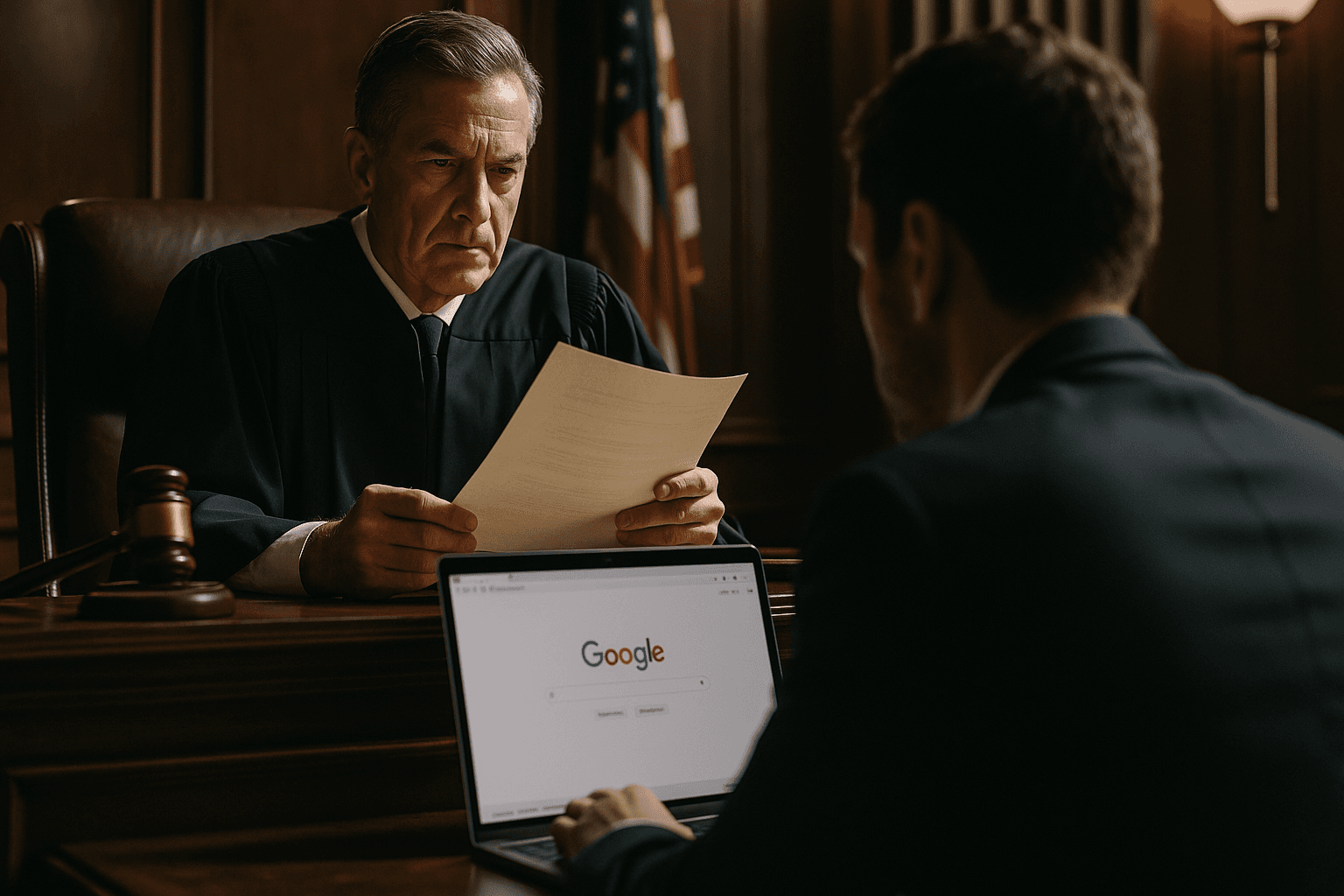
U.S. District Judge Amit Mehta on Friday ordered Alphabet Inc.’s Google to limit any agreement that establishes its search engine or artificial intelligence app as the default on smartphones, web browsers or other consumer devices to a maximum term of one year, requiring annual renegotiation. The ruling is part of a broader remedial phase in a long running antitrust case in which the court previously found that Google unlawfully monopolized online search.
The one year cap targets the practice of placing Google search and related AI access points as the persistent default on devices, a distribution channel the court said has been a powerful barrier to rivals. By forcing contracts to be reopened annually, the order aims to prevent indefinite exclusivity while still allowing device makers such as Apple and Samsung to accept offers for default placement subject to yearly review.
The decision complements other remedies the court has imposed in the multi year litigation, including requirements that Google share certain data with competitors. Judge Mehta declined a Department of Justice request to force the sale of Google’s Chrome browser, but he has embraced a mix of structural and behavioral measures intended to open up entry points for rivals and future technologies.
The ruling is expected to be appealed by Google, and the company is likely to argue that the one year requirement would disrupt long standing commercial arrangements and investment incentives. For device makers and platform owners, the order raises immediate commercial questions about how to manage negotiations that previously were settled for several years at a time. For rivals and new entrants, including search engines and AI assistants, the decision could create periodic opportunities to win default placement and reach mainstream users more rapidly.
Legal experts said the remedy signals a willingness by courts to treat default distribution as a core lever of market power in digital platforms. Regulators and litigants have long argued that defaults and preinstallation confer enormous advantages by funneling user behavior toward incumbent services. By mandating annual renegotiation, the court sought to balance those concerns with device manufacturers’ ability to monetize their products through contractual compensation.
The order could also influence how artificial intelligence features are integrated into consumer devices. As companies embed conversational agents and search powered by large language models into operating systems and browsers, the default access point will increasingly determine which providers capture user queries and the data that flows back to train AI models.
The remedy is part of a sequence of decisions that have already altered the legal landscape for Big Tech antitrust enforcement. How quickly the changes take effect will depend on the result of appeals and the details of implementation, including how courts and regulators define the scope of default placements and which apps and interfaces fall within the one year rule.