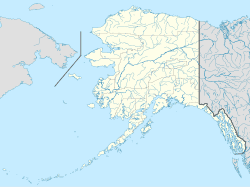
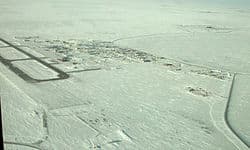
Arctic High Brings Sub Zero Cold to North Slope Borough
On December 5 an arctic high pressure system settled over Interior Alaska and the North Slope producing clear skies and sustained sub zero temperatures, with high temperatures across the North Slope between minus 15 and minus 20 degrees Fahrenheit. The system prompted state advisories warning of extreme cold, hazardous travel and severe wind chill impacts, matters that intersect with municipal services, fuel deliveries and community safety across the borough.
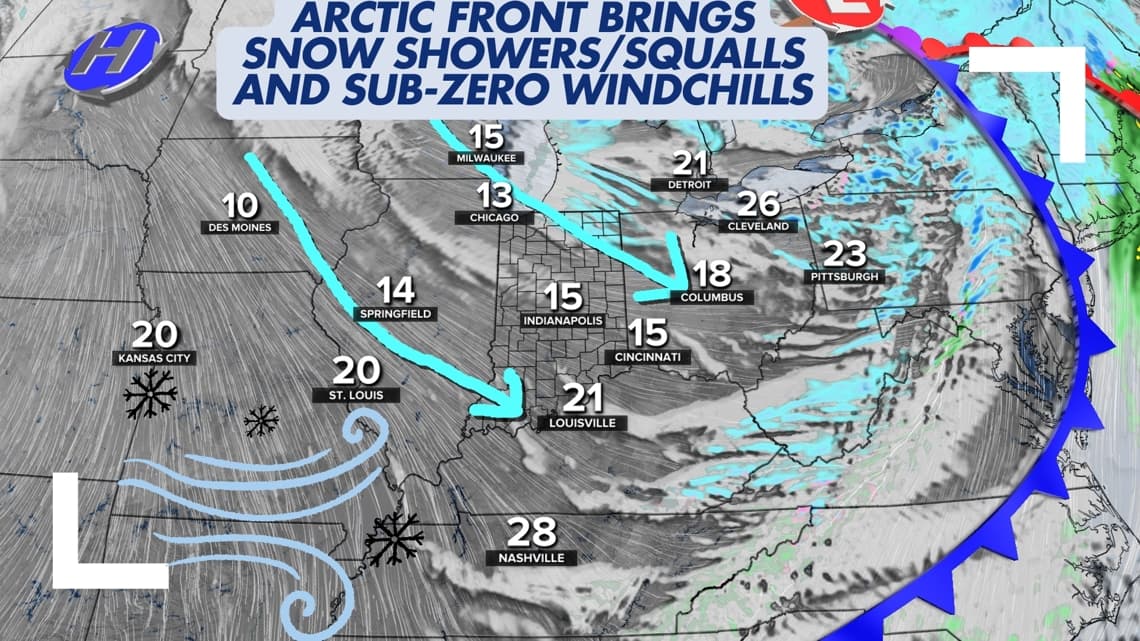
A strong arctic high pressure system arrived on December 5 and centered over Interior Alaska and the North Slope, driving prolonged cold and clear skies across the region. Forecasts at the time showed daytime highs on the North Slope in the minus 15 to minus 20 degree Fahrenheit range, while western parts of the state faced wind chill readings as low as minus 55. High Wind Warnings and High Wind Advisories were issued for multiple areas, with gusts expected up to 70 miles per hour on the Kenai Peninsula and strong gusts elsewhere. Blizzard Warnings and Winter Storm Warnings were also in effect for portions of the state.
State advisories urged residents to prepare for extreme cold, strong winds, hazardous travel conditions and significant wind chill impacts. For North Slope Borough communities the immediate effects included elevated risk to heating systems, potential for frozen water and sewer lines, and increased demand on fuel supplies and electrical infrastructure. Remote villages that rely on scheduled fuel and goods deliveries face constrained resupply windows during sustained cold or high wind events, and road and air travel delays can isolate communities for days.
Municipal responsibilities during such events center on emergency communications, coordination with state and federal partners, and maintaining essential services. Borough public works and emergency managers must balance road clearing, airport operations and shelter readiness with limited personnel and equipment in extreme conditions. The event underscores the operational importance of robust local emergency plans, contingency fuel reserves and clear interagency communication protocols.
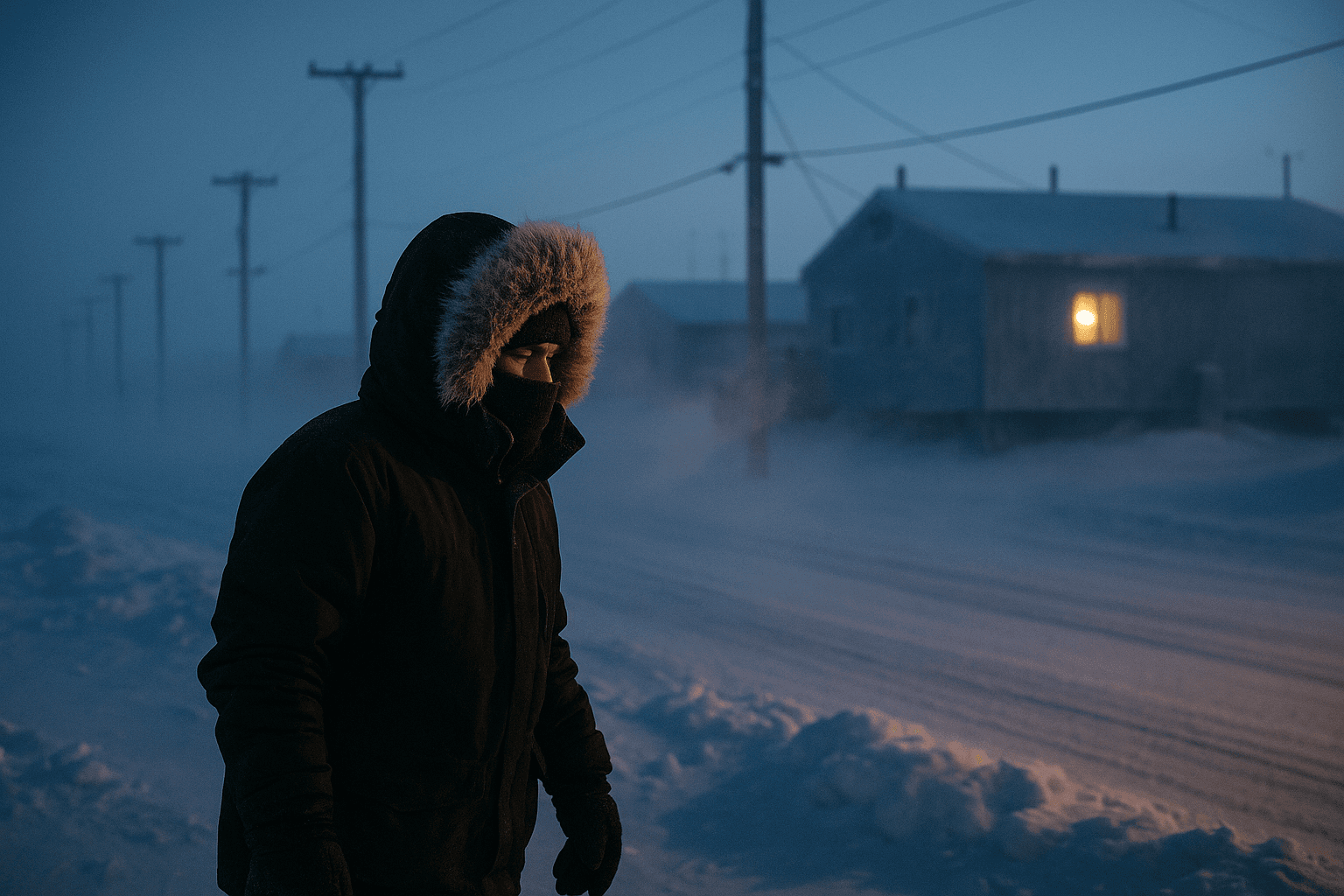
Beyond immediate logistics, repeated severe winter events carry policy implications for infrastructure investment and community resilience. Decisions by the borough assembly and tribal governments about capital projects, heating and utility upgrades, and emergency funding determine how well communities withstand outages and isolation. Severe conditions also have implications for civic engagement, as weather related travel disruptions can depress turnout for local meetings and elections, and complicate outreach to dispersed voters.
Residents were advised at the time to follow official warnings, limit travel during the worst conditions and check on vulnerable neighbors. For elected officials and administrators the December 5 event is a reminder to review readiness plans, prioritize investments that reduce exposure to prolonged cold and ensure emergency communications reach all communities in the borough.
Sources:
Know something we missed? Have a correction or additional information?
Submit a Tip