Baltimore Indoor Spaces Offer Warmth, Activities and Winter Aid
As winter temperatures push residents indoors, Baltimore’s public libraries, museums, community centers, and social-services networks are serving as critical places for warmth, free activities, and basic needs. The availability of year-round library programs, museum free-admission days, low-cost museum visits, and winter shelter resources matters for families, seniors, and low-income households balancing heating costs and childcare needs.
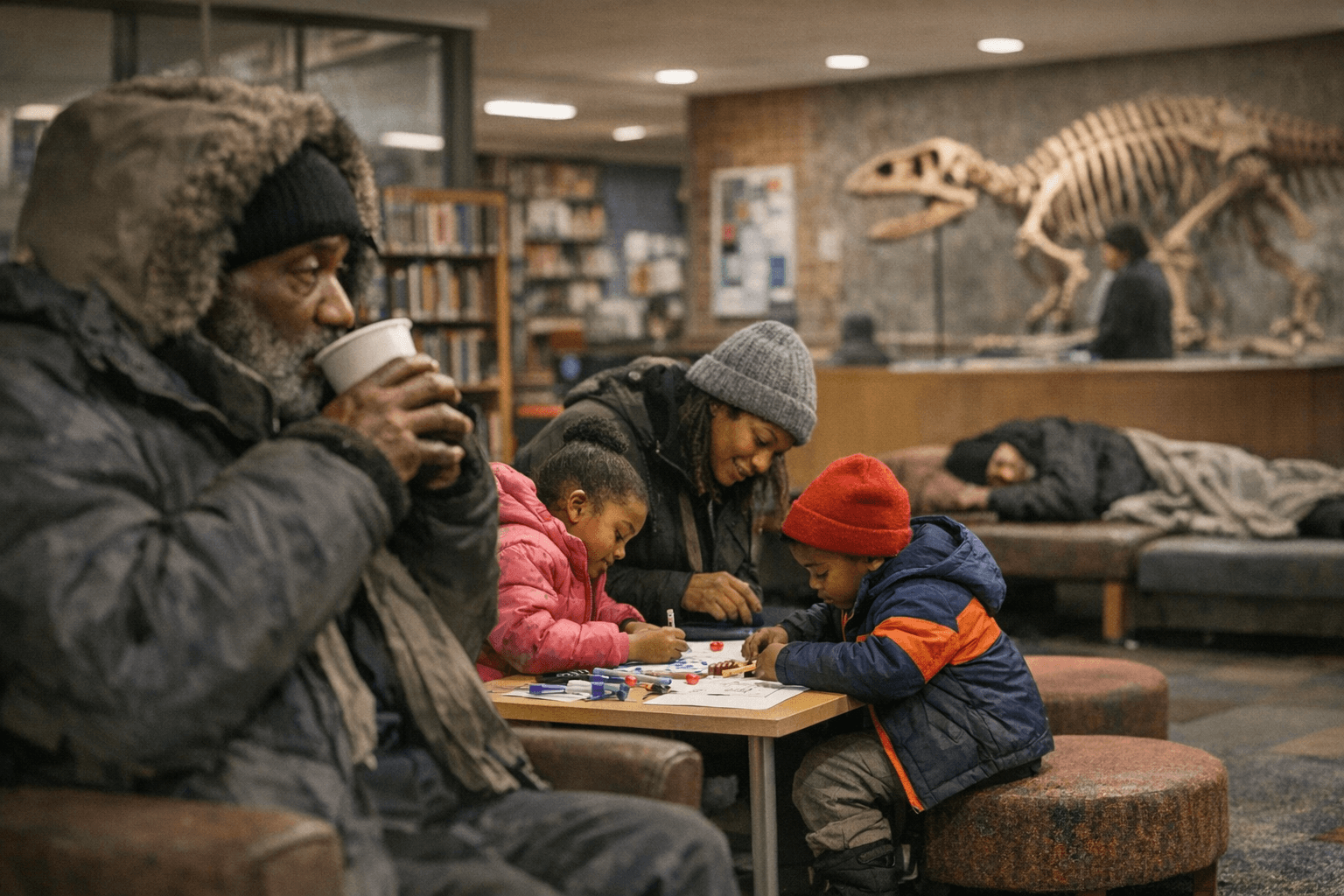
When bitter weather or budget constraints make outdoor plans impractical, Baltimore City’s indoor public assets provide more than entertainment — they are part of the city’s social safety net. Residents can find warm, supervised spaces, low-cost cultural outings, and connections to shelter and food services through local libraries, museums, community centers, and nonprofit providers.
The Enoch Pratt Free Library system offers year-round programs, homework help and warm indoor public space; branch hours vary, so residents should check individual locations before visiting. The Walters Art Museum and the Baltimore Museum of Art maintain free-admission days and rotating exhibits that are well suited for family visits and low-cost cultural access. Port Discovery Children’s Museum operates on seasonal hours with interactive exhibits tailored to younger children, while the B&O Railroad Museum and the National Great Blacks in Wax Museum suggest off-peak weekday visits and provide lower-cost admission options for budget-minded families.
Community recreation centers and select arenas host indoor ice rinks and public skating on seasonal schedules, creating active, affordable outlets for youth and families when outdoor fields and playgrounds are unusable. For residents facing housing instability or extreme cold, the city activates Code Blue and winter shelter programs; EATS and local food pantries also offer meal support and referrals to winter services.
These offerings have direct economic implications for Baltimore households and municipal budgets. Free and low-cost programming reduces immediate household expenditures on childcare and entertainment, and warm public spaces can lessen short-term heating needs for some residents. At the same time, higher winter usage increases operational costs for libraries, museums and community centers — staffing, utilities and maintenance rise during sustained cold spells — placing pressure on city and nonprofit budgets that already compete with other municipal priorities.
Policy choices will shape how reliably these services support Baltimore residents. Sustained funding for library operations, seasonal museum programs, and recreation center hours preserves affordable options for families and seniors. Strengthening coordination between cultural institutions and social services can improve referrals to shelters and food aid during cold snaps. Over the longer term, climate variability and persistent housing affordability challenges suggest growing demand for indoor public infrastructure; treating libraries, community centers and museums as essential social infrastructure would help the city manage that demand.
Practical advice for residents: verify hours and seasonal schedules before traveling, consider weekday off-peak visits for lower crowds and sometimes reduced admission, and contact local providers directly to learn about program eligibility and any temperature-related activations of shelter services.
Sources:
Know something we missed? Have a correction or additional information?
Submit a Tip