California Urges Caution After Cluster of Death Cap Poisonings
State health officials are warning residents not to forage wild mushrooms after a cluster of amatoxin poisonings in California that includes at least 21 cases and one confirmed death. The alert stresses that death cap mushrooms can be mistaken for edible varieties, are not rendered safe by cooking, and that clinicians should watch for delayed symptoms that can lead to severe liver injury.

California health authorities are urging the public to avoid foraging wild mushrooms following a cluster of poisonings linked to amatoxin producing death cap mushrooms. Officials reported at least 21 cases and one confirmed death on December 8, 2025, and said several patients, including children, suffered severe liver damage. At least one patient required, or was being evaluated for, a liver transplant.
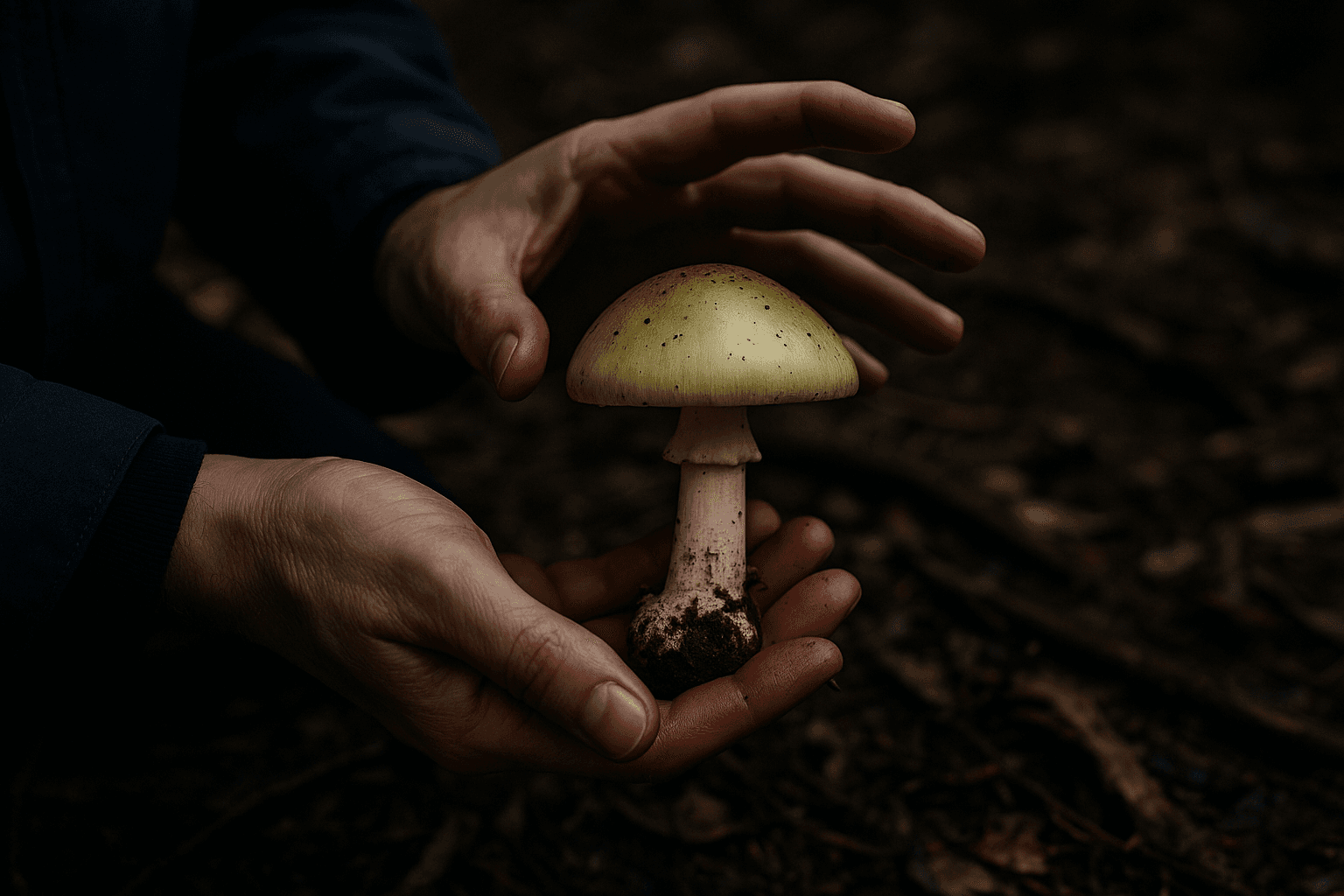
Investigators with the California Poison Control System and state health departments issued advisories during what they described as a high risk season for wild mushrooms. The alerts emphasize that death cap mushrooms, Amanita phalloides, can resemble edible species and are not made safe by cooking. The advisories directed anyone with suspected exposure to contact the poison control hotline at 800 222 1222.
Amatoxins are potent fungal toxins that target the liver. Symptoms often begin with gastrointestinal distress, including nausea and diarrhea, several hours after ingestion. Those initial symptoms may improve temporarily before signs of liver injury appear, a pattern that can delay diagnosis and treatment. Clinicians were specifically urged to maintain a high index of suspicion for delayed onset symptoms in patients with possible mushroom exposure.
The California cluster was flagged by public health officials after multiple hospitals reported cases of acute liver injury consistent with amatoxin poisoning. The involvement of children among the patients highlights the particular risk to families who may encounter wild mushrooms while hiking or collecting food. Health officials did not release details about the geographic distribution of the cases or about how patients came into contact with the mushrooms.
Prompt recognition and supportive care can be critical in amatoxin poisoning. In severe cases, liver transplantation may be the only lifesaving option. The state advisory encourages emergency departments and primary care clinicians to ask about possible mushroom ingestion when patients present with unexplained gastrointestinal illness followed by abnormal liver tests.
Public health messaging aims to counter a common misconception that wild mushrooms can be rendered harmless by boiling, sautéing, or other cooking methods. Death cap toxins are stable to normal cooking temperatures and can remain lethal after preparation. Foragers are advised to avoid collecting mushrooms unless they have expertise in local species identification, and to seek medical advice immediately if exposure is suspected.
The California Poison Control System remains a central resource for clinicians and the public. Its 24 hour hotline, 800 222 1222, provides assessment and guidance for suspected exposures. State officials said they will continue to monitor the situation and provide updates as new information becomes available.