Controversial FDA Appointee Unsettles Scientists, Sparks Oversight Demand
Multiple scientists and career staff at the Food and Drug Administration are sounding the alarm over a political appointee whose decisions and management style are said to be disrupting longstanding scientific processes. The dispute matters because it raises questions about the integrity of approvals and safety communications at an agency charged with protecting public health, and it has prompted calls for transparency and congressional oversight.
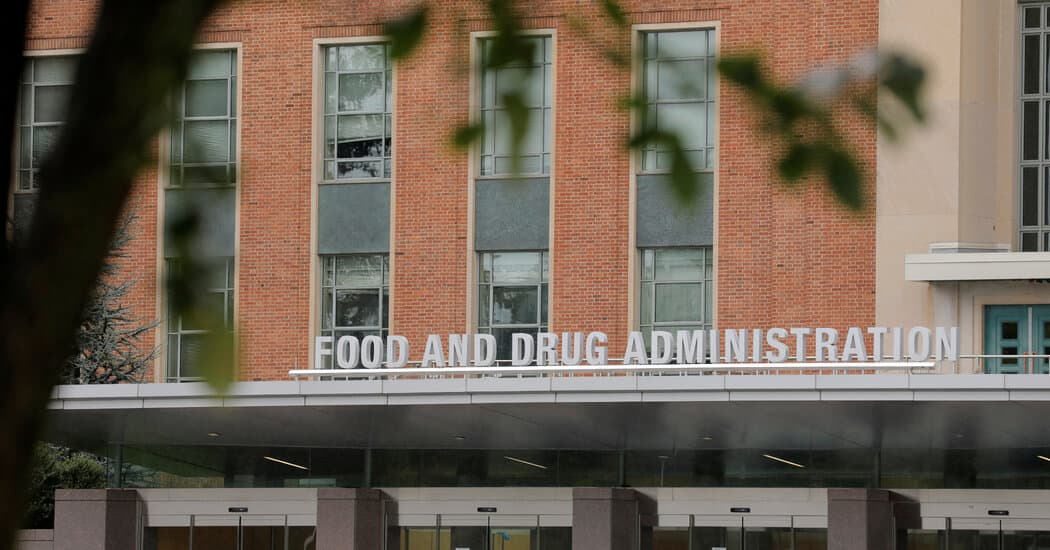
Multiple scientists and career staffers at the Food and Drug Administration are publicly and privately expressing alarm over a political appointee whose actions they say are catalyzing major internal disruption. Critics contend the appointee’s decisions and management style have undermined longstanding scientific processes, prompting demands from agency veterans and outside experts for greater transparency and protections for career employees.
The tensions come as the agency oversees approvals and safety communications with potentially large consequences for patients and communities. Observers note that weakening institutional processes at a moment when the agency reviews new therapies and issues safety guidance could erode public trust, amplify health risks, and exacerbate inequities for communities that already face barriers to care.
Health policy groups and lawmakers have begun to scrutinize the appointee’s influence on regulatory priorities and review standards. At least one public call for hearings and congressional oversight has been made, reflecting concern about whether political considerations are reshaping scientific evaluation and whether career staff are able to carry out independent, evidence based reviews. The situation has animated discussions about the balance between political leadership and the agency’s technical independence.
Inside the agency, the disruption is reported to have affected morale and workflow. Career scientists, who are protected by civil service rules and whose work underpins drug and device decisions, are said to be seeking clearer safeguards to prevent retaliation and to preserve established review pathways. Outside experts warn that even the perception of political interference can have real consequences, including delayed decisions, curtailed transparency around safety signals, and reduced willingness among staff to document dissenting analyses that could be critical to patient safety.

Public health advocates emphasize the downstream effects of institutional instability. Communities of color and low income populations, which often rely disproportionately on government regulated therapies and on official safety communications, could face heightened risk if oversight standards are altered without rigorous justification. Trust in the agency is itself a public health asset, experts say, and restoring confidence requires both procedural clarity and visible protections for those who carry out evidence based work.
Policy responses being discussed include calls for explicit transparency measures about decision making, strengthened whistleblower protections, and renewed emphasis on advisory committees and peer review to anchor determinations in science. Some observers also point to the need for legislative oversight to clarify the boundaries of political appointee authority within regulatory bodies.
The unfolding dispute is likely to shape how the agency approaches high stakes reviews in the months ahead. For patients, clinicians, and manufacturers alike, the central question is whether the FDA can maintain rigorous, unbiased evaluation while adjusting to leadership changes. The outcome will matter not only for specific approvals but for the broader public confidence that undergirds effective public health action.