Congo Faces Deadliest Cholera Surge in a Quarter Century
UNICEF says the Democratic Republic of the Congo is battling its worst cholera outbreak in 25 years, with more than 64,000 suspected cases and nearly 1,900 deaths since January. The crisis, driven by conflict, limited access to clean water and sanitation, and severe funding shortfalls, threatens communities across 17 provinces and demands urgent international and domestic action.

The Democratic Republic of the Congo is confronting its most severe cholera outbreak in a quarter century, UNICEF said on Monday, with authorities recording 64,427 suspected cases and 1,888 deaths since January. The agency reported that the toll includes more than 14,800 infections and 340 child deaths, and that 17 of the country’s 26 provinces are affected.
Public health officials describe the situation as both acute and widespread. The outbreak’s apparent case fatality rate is markedly higher than typical benchmarks for treated cholera, reflecting gaps in timely access to care and shortages of basic supplies. Cholera is a waterborne disease that can be prevented and treated with clean water, adequate sanitation, rapid detection, and prompt rehydration therapy, but those fundamentals are unevenly available across the country.
UNICEF attributed the escalation to a combination of factors that national health systems and aid organizations have struggled to overcome. Ongoing conflict has displaced families and disrupted health services, while many communities lack reliable access to clean water and safe sanitation. Severe underfunding of the national response has left hospitals and clinics without the resources needed to manage the surge in cases.
The government’s cholera elimination plan requires roughly $192 million, but that effort remains significantly underfunded. In an appeal for immediate resources, UNICEF asked for about $6 million to support a rapid response in 2026, emphasizing that without additional funding and coordinated action many more lives could be lost. Aid agencies warn that short term injections of supplies and personnel will be insufficient without sustained investment in water and sanitation infrastructure and strengthened surveillance.
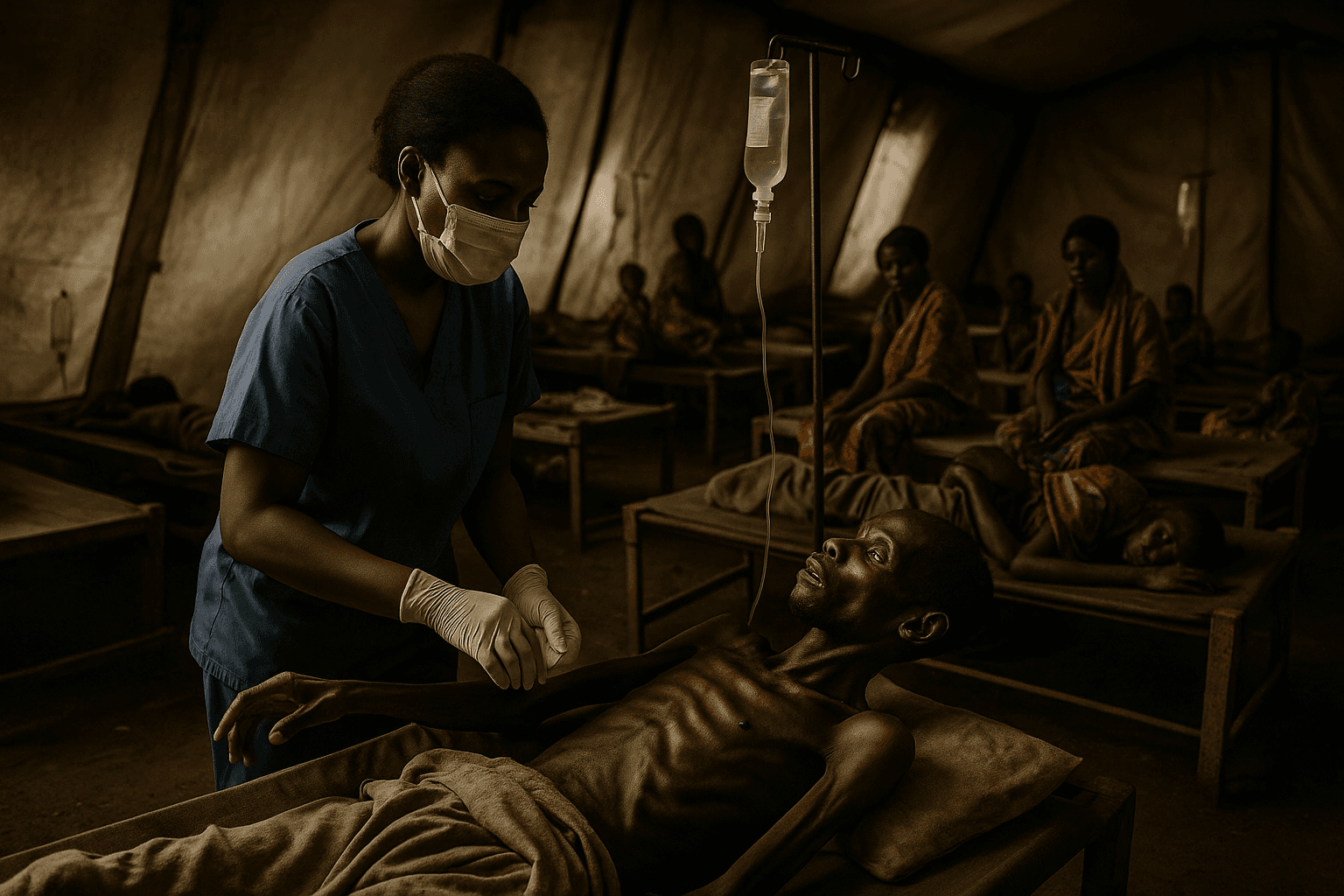
Community impact has been devastating, particularly for children. The reported 340 child deaths point to the disproportionate vulnerability of young people in environments where malnutrition, overcrowding and interrupted care compound infection risks. Health centers in affected provinces report overcrowded wards and strained staff, and families often travel long distances for treatment, delaying life saving rehydration.
The outbreak also highlights broader equity issues in the country’s health system. Provinces that are conflict affected, remote, or economically marginalized face the greatest obstacles to prevention and care. Analysts say that addressing cholera in the Democratic Republic of the Congo requires integrating emergency response with long term measures to expand clean water, improve sanitation, and reduce the political and economic drivers of displacement.
International donors and the Congolese government now face a pivotal choice. Without rapid, coordinated funding that supports both immediate clinical needs and durable water and sanitation solutions, the outbreak is likely to persist and spread, deepening human suffering and undermining fragile health systems. For communities already dealing with insecurity and poverty, the stakes are existential: investment in prevention and care will determine whether many of the lives now at risk are saved.