Cash for Trash event pays residents for bottles, backs bottle bill
Bring bottles and cans Jan. 31 to Peabody Heights Brewery for 10 cents each; proceeds aim to build support for the Maryland Bottle Bill.
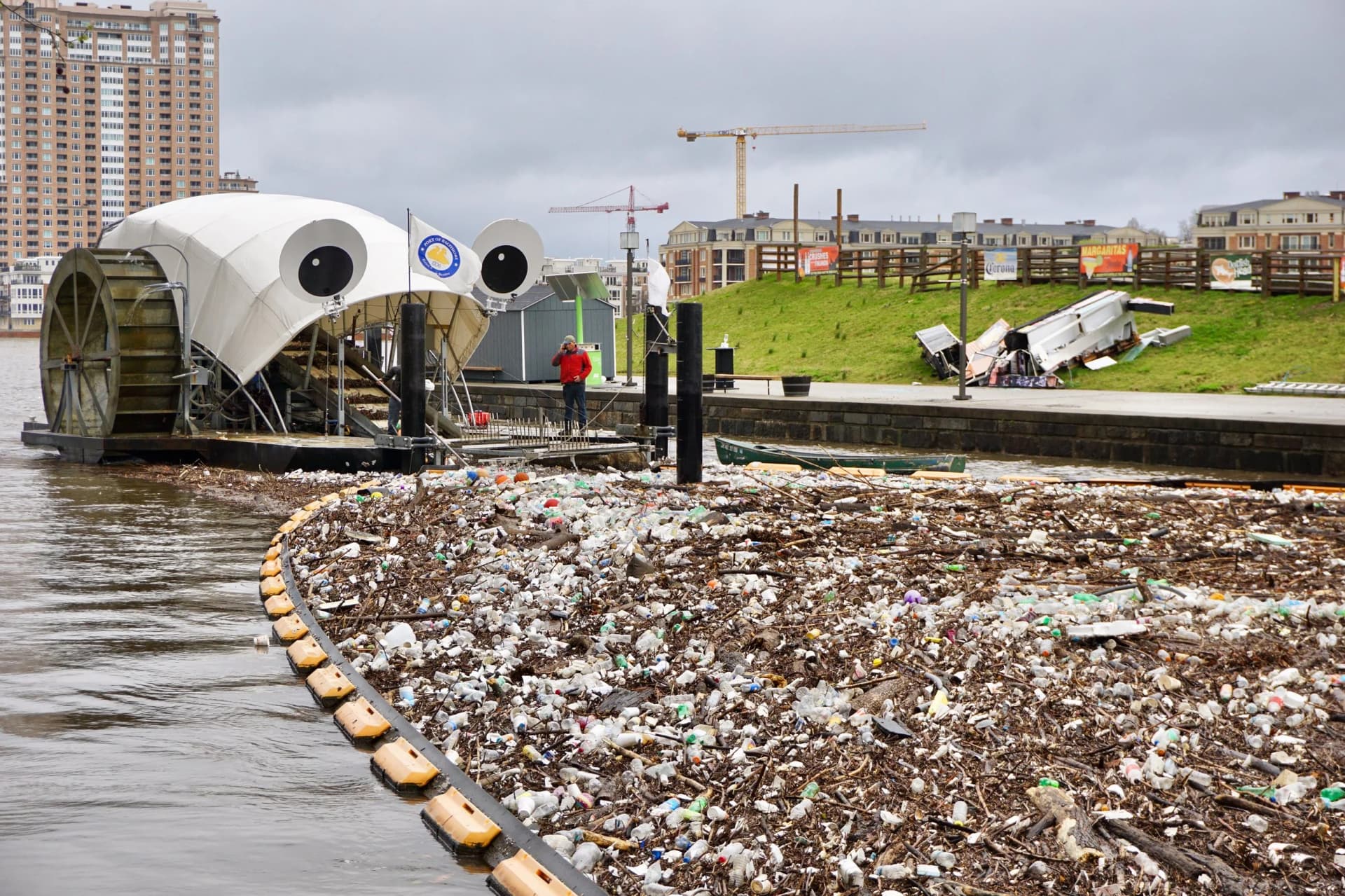
Baltimore residents will have a chance to turn spare bottles and cans into cash while helping push for a statewide deposit law at the Waterfront Partnership of Baltimore’s Mr. Trash Wheel Cash for Trash demonstration event. The Healthy Harbor Initiative and a coalition of environmental partners are asking neighbors to bring plastic, glass and aluminum beverage containers to Peabody Heights Brewery on Jan. 31 from 12 p.m. to 3 p.m.
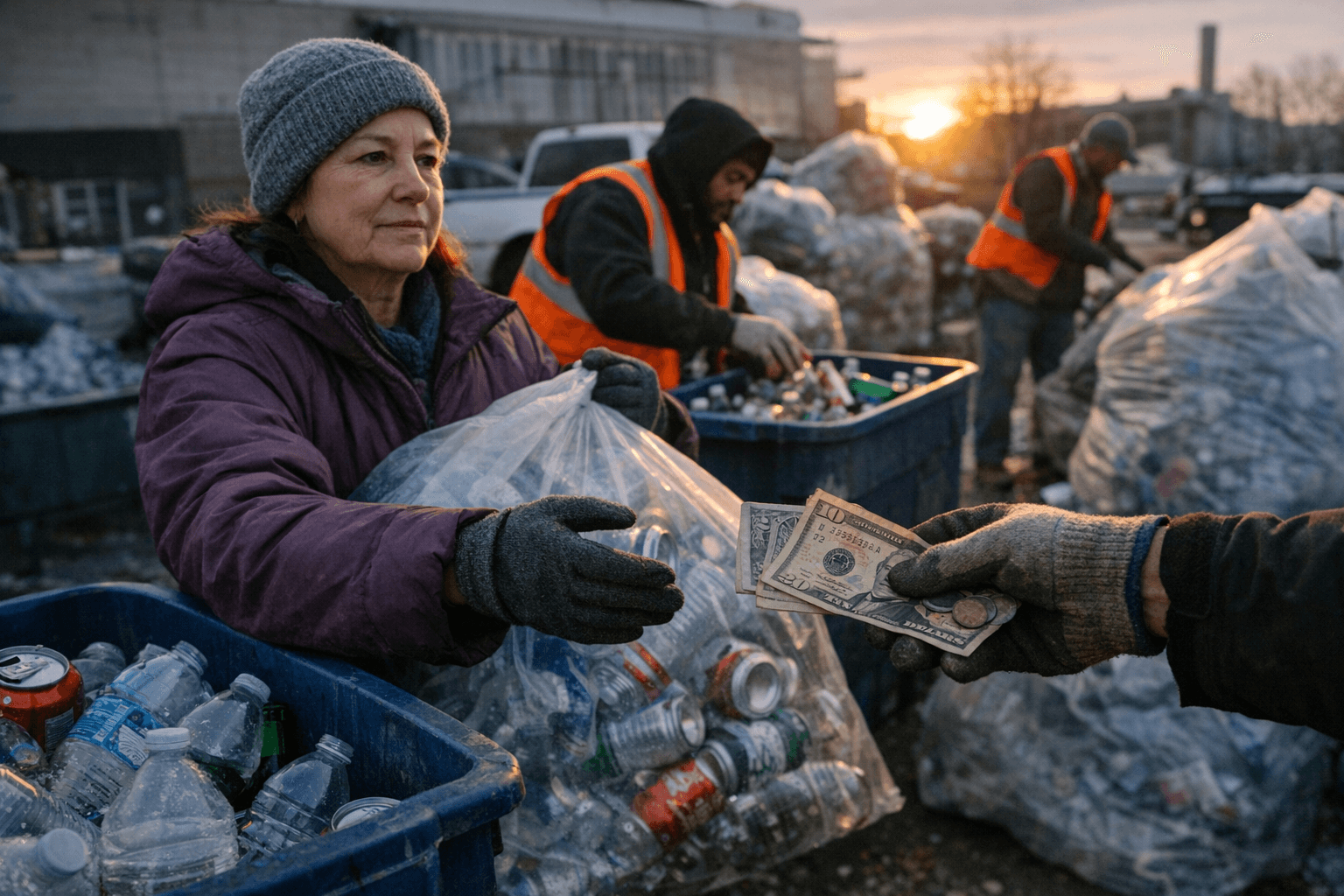
Containers will be counted and redeemed at 10 cents apiece. Each container must be under one gallon, and households are limited to 1,000 containers, meaning a determined household can earn up to $100. Organizers set an overall capacity of 50,000 containers for the event; once that total is reached no additional containers or payments will be processed. Glass must be unbroken and separated from plastic and aluminum when dropped off. Anyone planning to bring more than 1,000 containers was asked to email Chelsea@waterfrontpartnership.org ahead of time.
The demonstration is explicitly tied to advocacy for the Maryland Bottle Bill, proposed legislation that would add deposits to beverage containers and aim to increase recycling rates. The bill is expected to be reintroduced when the Maryland General Assembly reconvenes for the 2026 session starting Jan. 14. Advocates say deposit-return systems reduce litter and boost recycling by creating a direct economic incentive to return containers rather than discarding them into neighborhoods and waterways.
For Baltimore neighborhoods that shoulder a disproportionate share of trash and urban blight, a bottle deposit system could mean fewer bottles clogging streets, storm drains and the Inner Harbor. From a public health perspective, reducing litter in waterways can support water quality, lower the presence of trash that attracts vermin, and curb the breakdown of plastics into microplastics that enter food and water systems. For low-income residents, the immediate cash payout is also a small but tangible economic benefit; events like this can provide short-term income as advocacy builds toward broader policy change.
The logistics limit and the single-event capacity raise equity questions about who can realistically benefit. If containers are first-come, first-served, residents farther from central pickup points may be shut out. Organizers and policymakers will face pressure to ensure any permanent deposit program includes accessible redemption options across the city so that neighborhoods across Baltimore can share the benefits.
Our two cents? If you plan to participate, separate unbroken glass from plastic and aluminum, watch the 1,000-container household cap, and consider coordinating with neighbors so the payout and advocacy lift the whole block rather than just the first arrivals.
Sources:
Know something we missed? Have a correction or additional information?
Submit a Tip