China Adds Eli Lilly’s Mounjaro to National Insurance List
China’s health authority said Mounjaro will join the national health insurance reimbursement list from January 1, 2026, a move that will broaden access to the once weekly injectable for millions with type 2 diabetes while imposing negotiated price cuts. The decision reshapes competition in China’s lucrative diabetes market, raising questions about margins for multinational drugmakers and possible wider use for obesity.
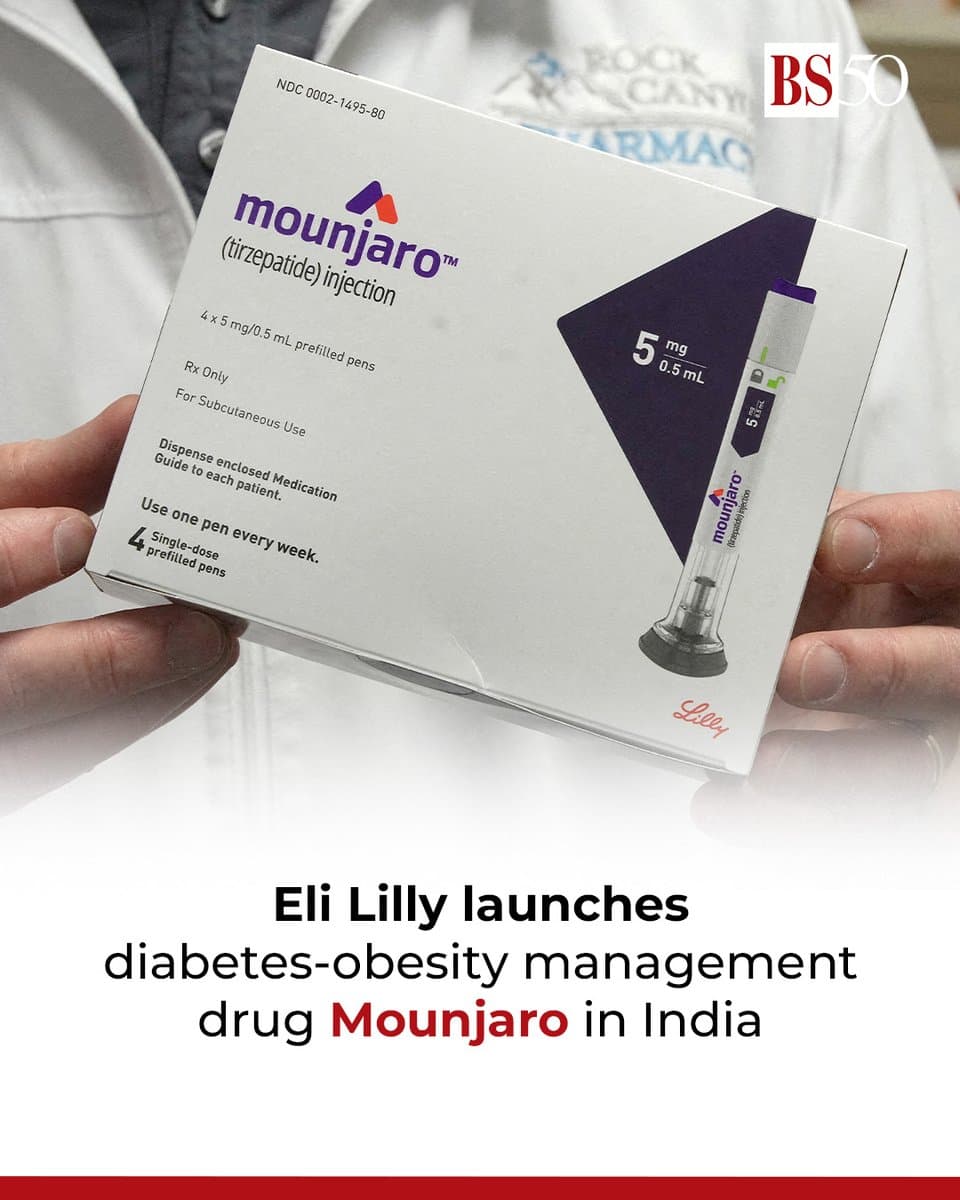
The National Healthcare Security Administration announced on its website that Eli Lilly’s once weekly injectable type 2 diabetes treatment Mounjaro, known generically as tirzepatide, will be included on China’s national health insurance reimbursement list effective January 1, 2026. Mounjaro was introduced in China in January 2025 and its placement on the reimbursement list follows a pattern in which inclusion typically expands patient access while bringing lower, negotiated prices.
The reimbursement decision positions Mounjaro directly against established competitors in China, most notably Novo Nordisk’s Ozempic, the semaglutide product that entered the reimbursement list in 2022. Market analysts cited by Reuters expect Mounjaro’s volume to rise as out of pocket costs fall, but they also warned that pricing pressure from reimbursement negotiations could squeeze profit margins for Eli Lilly in the Chinese market.
Beyond immediate financial implications for multinational drugmakers, inclusion on the national list is likely to shift competitive dynamics across domestic and foreign companies that sell diabetes medications in China. Local manufacturers that focus on more affordable therapies may face increased competition as more patients gain insurance supported access to premium drugs. At the same time, broader availability of tirzepatide is likely to intensify market share battles between major global pharmaceutical players.
Analysts and industry watchers have also highlighted the prospect of expanded off label use, particularly for obesity treatment, as an added source of demand. Observers note that when high efficacy therapies for metabolic disease become more affordable through reimbursement, clinicians and patients often explore additional uses beyond approved indications. That trend may prompt closer monitoring by regulators and payers as they seek to manage budgets and ensure appropriate prescribing.
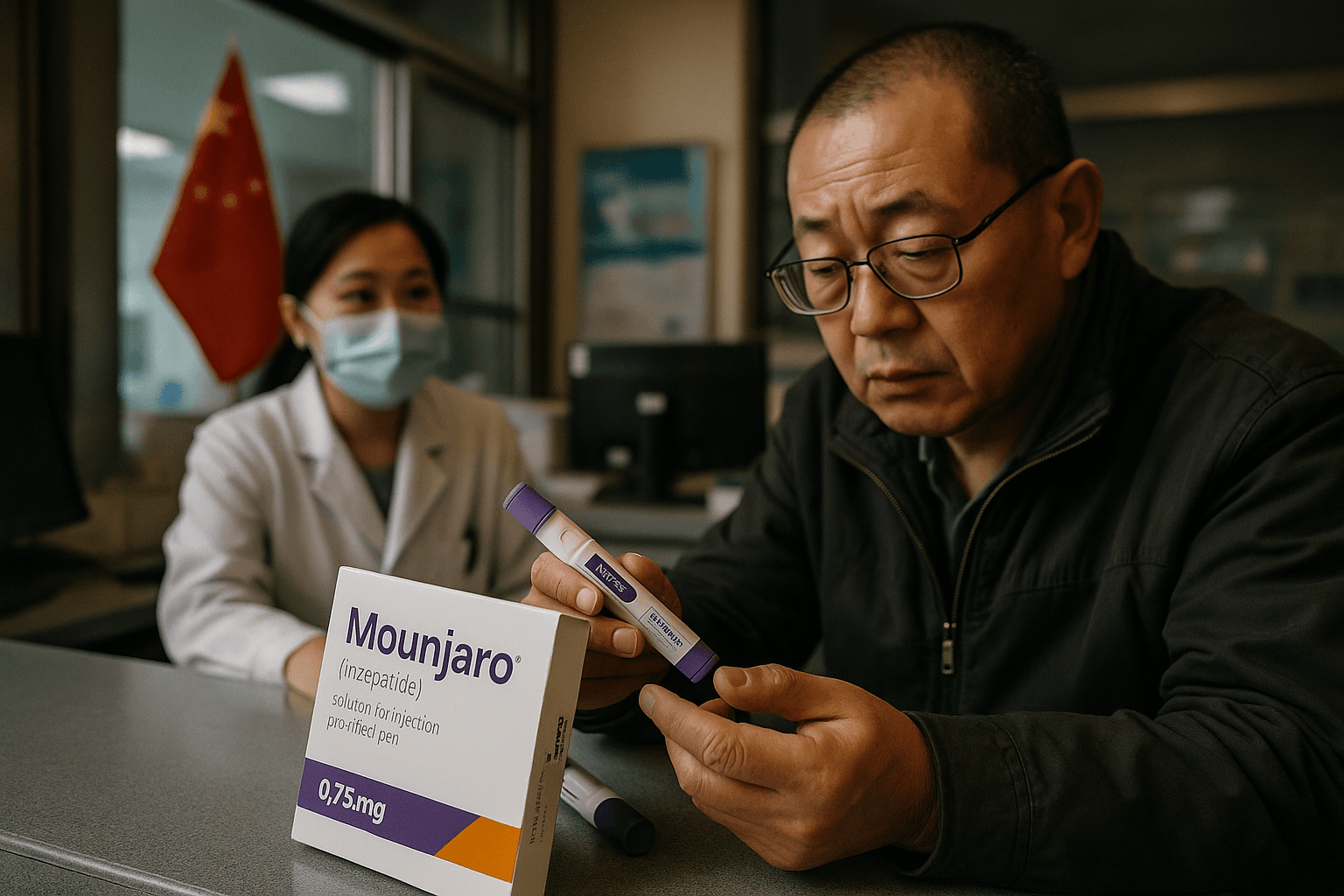
China’s reimbursement list has become a decisive lever for access and pricing since the country began to more actively negotiate with multinational drugmakers. Inclusion typically follows intensive talks between manufacturers and government procurement authorities that result in discounts in exchange for preferred placement. For companies, the trade off is lower unit prices in return for larger, often rapidly growing patient volumes within China’s vast population.
For patients with type 2 diabetes, adding Mounjaro to the insurance list will likely reduce financial barriers to a therapy that has shown strong clinical results. For payers and policymakers, the move raises questions about long term budget impacts as demand for high cost metabolic medicines grows and as off label uses potentially expand. For the industry, the decision underscores how China’s purchasing policies continue to shape global strategies and the economics of diabetes care. Reporting by Reuters informed this account.