China and Saudi Arabia Pledge Closer Coordination on Global and Regional Affairs
Chinese Foreign Minister Wang Yi met Saudi Foreign Minister Prince Faisal bin Farhan Al Saud in Riyadh and the two countries issued a joint statement committing to deeper communication and coordination on regional and international issues. The move signals a widening Beijing Riyadh partnership on diplomacy, energy and investment, even as many implementation details remain unspecified.
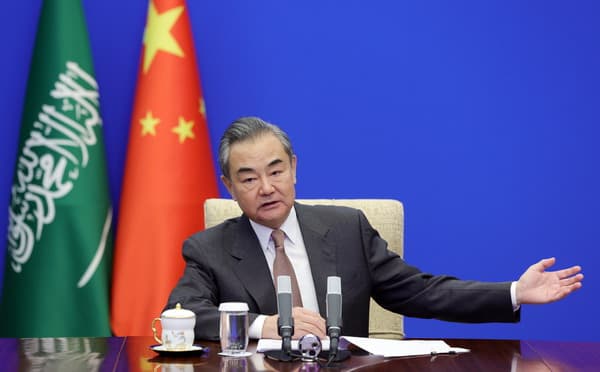
Chinese and Saudi foreign ministers met in Riyadh on Sunday and issued a joint statement committing both capitals to strengthen communication and coordination on regional and international issues. The announcement, published by China’s official Xinhua News Agency and accompanied by commentary from the Chinese foreign ministry, framed the talks as a reaffirmation of a strategic partnership that spans diplomacy, energy and investment.
In Beijing’s readout, Wang Yi described Saudi Arabia as a "priority for Middle East diplomacy" and emphasized China’s willingness to coordinate with Riyadh on multilateral platforms including the United Nations, the G20 and BRICS. The joint statement said both sides would "practice true multilateralism" and work to uphold international fairness and justice. Riyadh conveyed appreciation for China’s involvement in global affairs and signalled interest in cooperating on initiatives promoted by President Xi Jinping, while stressing a shared desire to safeguard the interests of developing countries and to advance multipolarization.
On the Palestinian question the communiqué reiterated support for a "comprehensive and just settlement" that includes the formation of an independent Palestinian state, a stance that aligns with longstanding diplomatic appeals in the Arab world and positions both Beijing and Riyadh as endorsers of a two state framework under international law. The joint statement also noted Beijing’s backing for improved relations between Saudi Arabia and Iran, presenting China as an interlocutor for regional deescalation even as the statement stopped short of detailing mechanisms for such mediation.
Economic cooperation was a prominent theme. The ministers discussed traditional energy ties and investment, and agreed to expand collaboration into renewable energy and green transformation. China welcomed increased Saudi investment in China and pledged support for Chinese firms operating in the kingdom, while urging Riyadh to continue providing a favourable business environment for those enterprises. The statement also contained a specific practical measure, agreeing to mutual visa exemption for diplomatic and special passport holders, a step intended to ease official exchanges.
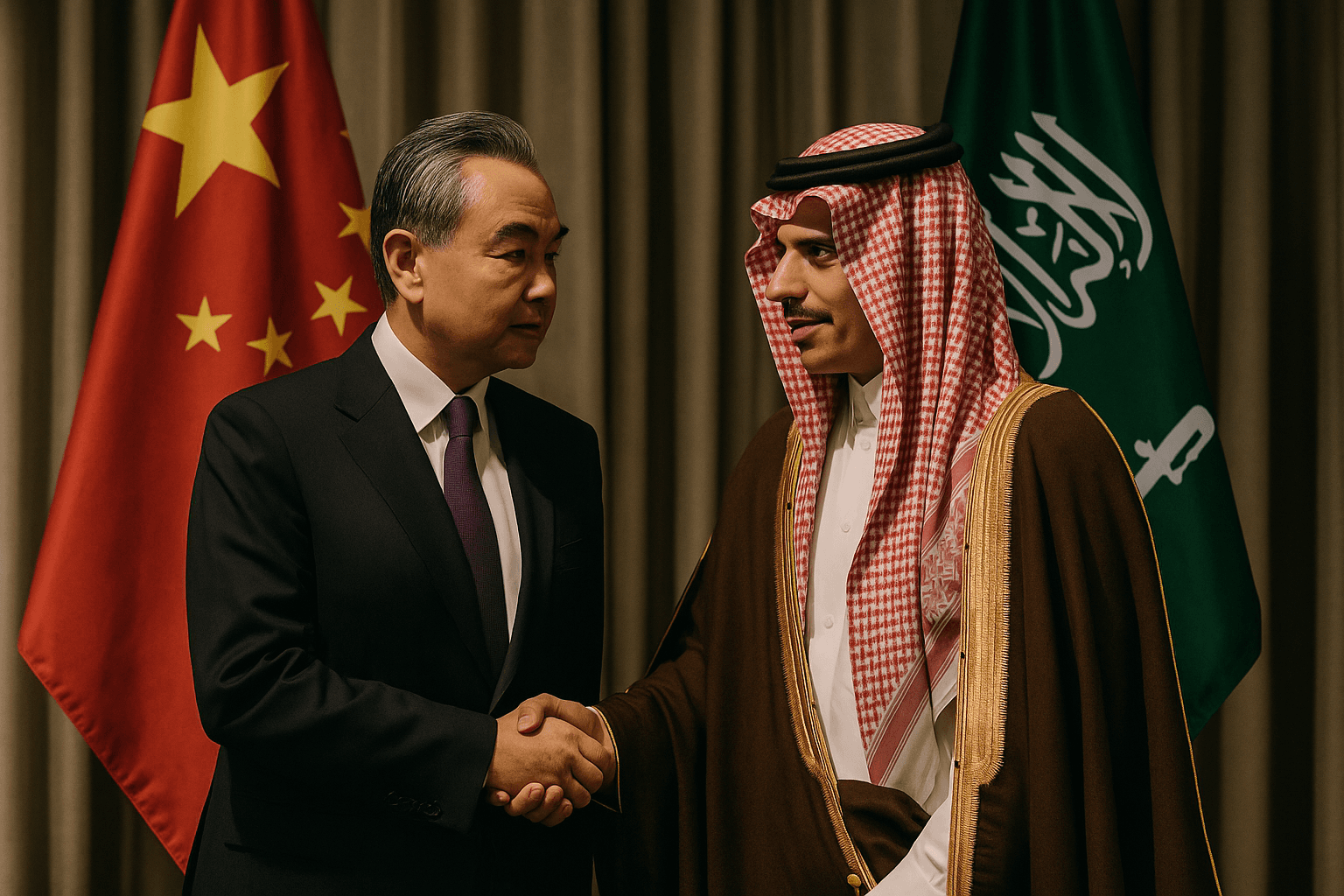
Officials on both sides expressed a desire to deliver "more tangible outcomes" from the expanded agenda, but the joint text and ministry materials conspicuously left many operational questions open. There were no public schedules for working groups, no timelines for energy or green projects, and no detailed list of multilateral initiatives on which Beijing and Riyadh will coordinate. The absence of such specifics will make follow up meetings and implementation the clearest test of intent.
The public rapprochement carries implications for regional balances and for global diplomacy. Greater China Saudi alignment on key UN and G20 matters could recalibrate multilateral deliberations on development finance, energy markets and security questions. At the same time Riyadh faces the diplomatic calculus of deepening ties with Beijing while maintaining security and defence relationships elsewhere. For observers of Middle Eastern diplomacy, the meeting is a signal that Saudi Arabia sees scope to broaden its international partnerships, and that China intends to translate its rising regional influence into more structured cooperation with Gulf states.
Sources:
Know something we missed? Have a correction or additional information?
Submit a Tip