China exports to United States plunge, signaling trade realignment
China's customs data released Monday show a sharp contraction in shipments to the United States, underscoring the fragility of global trade ties amid geopolitical tension and tariff pressures. The decline has implications for manufacturers on both sides of the Pacific, and it complicates Beijing's near term growth prospects.
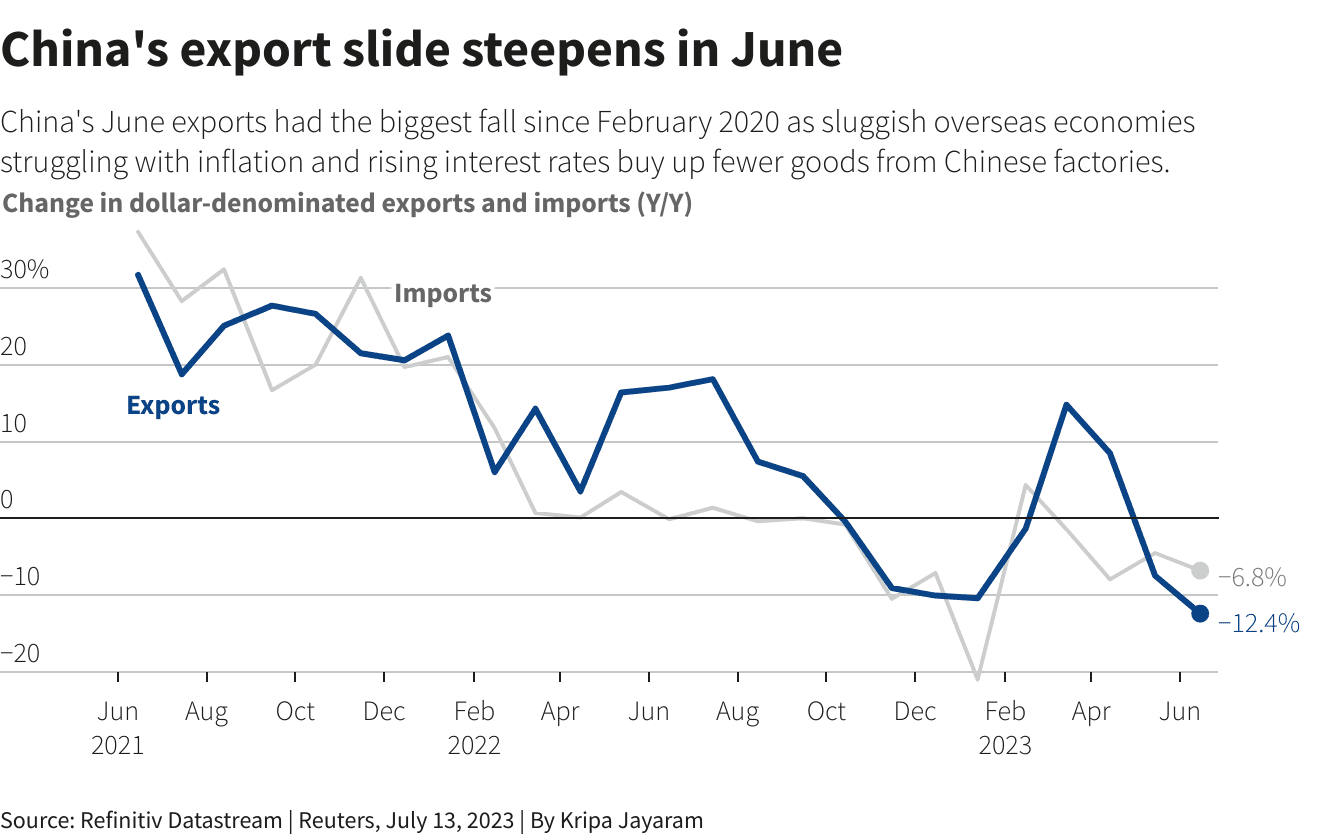
China’s customs figures released Monday showed exports to the United States fell 28.6 percent year on year in November to $33.8 billion, Reuters and Agence France Presse reported, a stark drop that arrives despite a tentative trade truce reached between Washington and Beijing in October. The data highlight how fragile bilateral trade flows remain as companies and governments reassess supply chains and tariff exposure.
The November decline is sharper than broad post pandemic recoveries suggested earlier in the year and points to an uneven rebound in demand across markets. For China exporters the fall reflects a mix of weaker US consumer demand, lingering tariff and non tariff barriers, and a strategic redirection of shipments toward other regional markets and domestic consumption. For American importers the contraction could translate into higher costs if firms accelerate reshoring and regional sourcing efforts that raise logistical and production expenses.
Economists say several structural forces are at work. The United States imposed tariffs and export controls during the last decade that encouraged multinational firms to diversify supply chains away from any single source. At the same time, US fiscal stimulus patterns and tighter monetary policy have cooled consumer spending, reducing demand for discretionary goods that had powered much of China’s export growth. The combination of policy pressure and cyclical softness is producing pronounced swings in bilateral trade volumes.
The immediate market implications include potential pressure on Chinese industrial output and export oriented employment, as manufacturing firms face shrinking orders and inventory adjustments. Lower export receipts to a major market can also weigh on trade related services and freight volumes. For Beijing, sustaining growth in the coming quarters may require offsetting measures such as targeted fiscal support for manufacturing hubs, tax incentives for exporters seeking new markets, or steps to stimulate domestic consumption. Any such measures will be weighed against broader concerns about financial stability and the government’s debt exposure.

The broader strategic picture is one of regional realignment. Supply chain diversification has accelerated toward Southeast Asia, India, and Mexico, while Chinese firms increasingly pivot to domestic and Belt and Road markets. That shifting geography reduces the share of trade tied to the United States and complicates any simple reversion to pre tariff patterns even if political tensions ease.
Investors will watch December and first quarter trade data for signs the November drop was a one off adjustment or the start of a sustained retrenchment. Policymakers in Beijing and Washington face a choice between deepening trade containment measures or building a new framework to manage economic interdependence. The November figures underscore that, beyond diplomacy, the commercial links that shape employment, investment and prices are already evolving, and that evolution will influence global growth prospects in the months ahead.