Investors Brace for Fed Cut, Japan Quake Adds Market Uncertainty
Global markets traded cautiously as investors priced a high probability of a 25 basis point Federal Reserve cut in December, while a powerful magnitude 7.6 earthquake in northeastern Japan injected fresh geopolitical and economic risk. The combination is shaping bond, currency and equity moves ahead of a busy week of central bank decisions that could reshape market expectations.
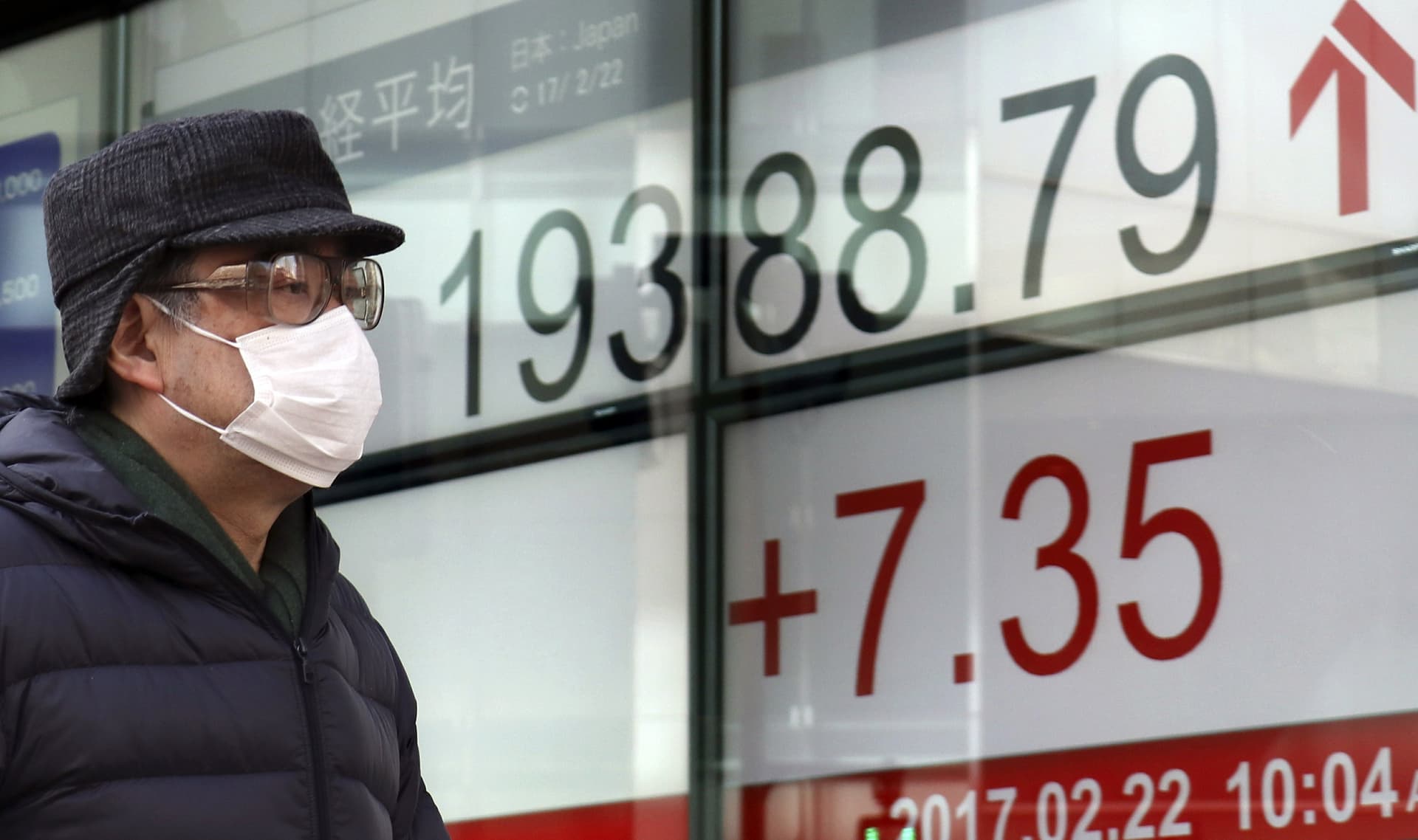
Global markets are trading with elevated caution as two events converge to test risk appetite and monetary policy expectations. A magnitude 7.6 earthquake struck northeastern Japan, prompting immediate market attention to the region, while futures markets priced in more than an 87 percent probability of a 25 basis point cut by the Federal Reserve at its December meeting, according to Reuters reporting.
U.S. Treasury yields rose and the dollar strengthened against the yen as investors recalibrated positions. Major U.S. stock indices were slightly lower on the day as the market weighed the prospects of easier U.S. policy against the potential economic disruption from the quake. Commodity and currency markets reflected a tug of war between risk rebalancing and safe haven demand, with flows into the dollar offsetting some traditional demand for government bonds.
The high implied odds of a quarter point Fed cut signal that markets are anticipating a pivot by the Fed from the tightening cycle that dominated policy during the earlier stages of the post pandemic period. Futures pricing implies that traders expect the Fed to move toward easing, which would normally put downward pressure on the dollar and upward pressure on risk assets. Analysts cautioned however that divisions within the Federal Open Market Committee could create episodic volatility if members signal disagreement over timing or size of cuts.
The quake in Japan complicates that outlook by introducing a region specific shock that could shave short term demand in parts of Asia and disrupt supply chains tied to the affected prefectures. The immediate market reaction included a weaker yen, a common response when investors price in asset reallocation and capital flows toward perceived safer currencies. For global investors, the natural question is whether the hit to Japanese activity will be transitory or has broader implications for global trade and production this quarter.

Policy decisions elsewhere add layers to the week ahead. Central banks in Canada, Switzerland and Australia are meeting this week and are widely expected to hold rates steady, which could limit policy divergence and contain volatility in global bond markets. That backdrop means the Fed decision and its forward guidance will likely be the focal point for cross border capital flows and currency valuations in the near term.
For markets, the interplay between a likely Fed easing move and an exogenous shock in Japan underscores how policy expectations and real world events can move in opposite directions, amplifying short term volatility. If the Fed proceeds with a cut, economists say it could ease borrowing costs and lift some risk assets, but the timing and communication from policymakers will determine whether the move calms markets or prompts renewed uncertainty. In the longer term, investors will be watching inflation trajectories, global growth signals and central bank cohesion for clues about durable direction in rates and asset prices. Reporting by Caroline Valetkevitch and others, published Dec. 8, 2025.