Robinhood Expands to Indonesia, Acquires Local Brokerage and Crypto Trader
Robinhood Markets said it will enter Indonesia by buying local brokerage Buana Capital Sekuritas and a licensed crypto trader, accelerating the U.S. app's reach into Southeast Asia. The deal gives Robinhood immediate regulatory access to a market with roughly 19 million capital market investors and 17 million crypto traders, a development that could reshape retail finance in the region.

Robinhood Markets announced today that it will enter Indonesia by acquiring Buana Capital Sekuritas and a licensed digital asset trader known locally as Pedagang Aset Kripto. The deal, whose terms were not disclosed, is expected to close in the first half of 2026 and positions Robinhood to tap one of Southeast Asia's most active investor populations.
The acquisitions provide Robinhood with direct regulatory access to Indonesia's capital markets and crypto trading ecosystem. That access matters because retail participation is large and growing, with approximately 19 million people active in capital markets and around 17 million trading crypto within the country. Pieter Tanuri, the majority owner of the acquired firms, will remain with Robinhood as a strategic adviser, offering continuity with local stakeholders and regulatory channels.
For Robinhood the move follows a year of notable expansion. In 2025 the company joined the S&P 500 and launched prediction markets, signaling a broader set of ambitions beyond its original U.S. retail brokerage model. Indonesia now becomes a key international market in that strategy, offering both scale and demographic tailwinds that appeal to consumer fintechs pursuing growth outside saturated Western markets.
The immediate appeal is clear. Indonesia is the largest economy in Southeast Asia and has a young, digitally engaged population. The combination of a sizable base of capital market investors and a very active crypto community creates opportunities to cross sell trading products, custody services, and new features that drive retail engagement. For Robinhood this could translate into faster user growth than organic market entry would allow.
At the same time the company faces notable challenges. Regulatory frameworks in Indonesia are split between the Financial Services Authority for securities and the Commodity Futures regulator for crypto. Compliance, capital requirements, anti money laundering standards, and customer protection rules will shape which business models are available. Robinhood's U.S. experience of relying on payment for order flow and a zero commission approach will require adaptation to local rules and to revenue structures that may be less forgiving than those in the U.S.
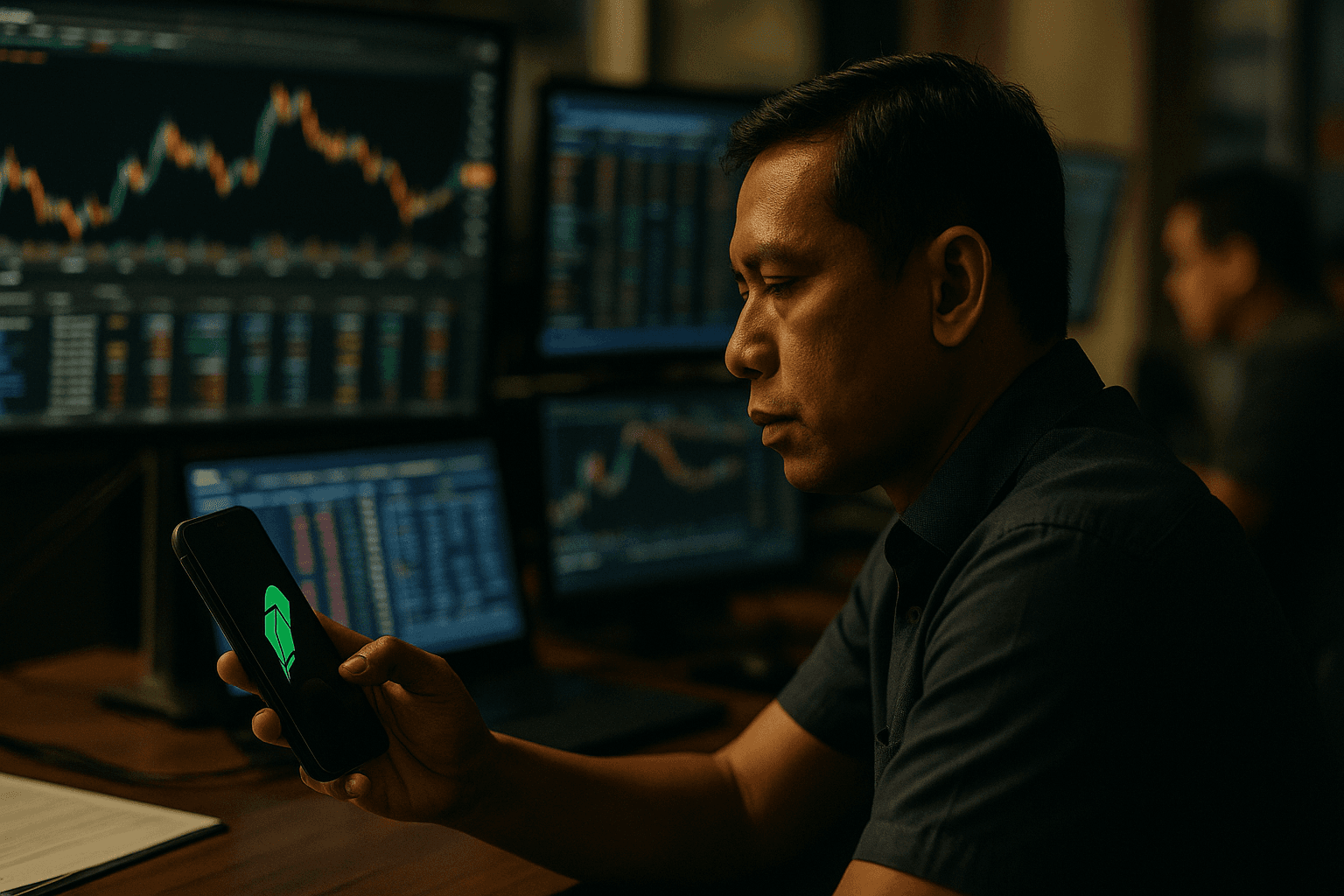
The transaction also has competitive implications. Local brokerages and regional platforms already serve Indonesian investors and understand local distribution channels, payment rails, and consumer preferences. Winning market share will depend on execution in customer service, product localization, and partnerships with banks and payment networks.
Policy makers will be watching as well. Greater retail participation can deepen capital markets and support household wealth building, but regulators are likely to scrutinize the risks of speculative trading, crypto volatility, and potential market abuse. Robinhood's arrival will test how Indonesian authorities balance innovation with investor protection.
Strategically, the deal underscores a broader trend of U.S. fintechs expanding into emerging markets where digital adoption is high and financial services penetration is still expanding. If the acquisition closes as planned early next year, Robinhood will gain immediate scale in a pivotal market, while regulators and competitors will adapt to a new global player entering Indonesia's retail investment landscape.