L’Oréal Raises Stake in Galderma, Expands Medical Dermatology Push
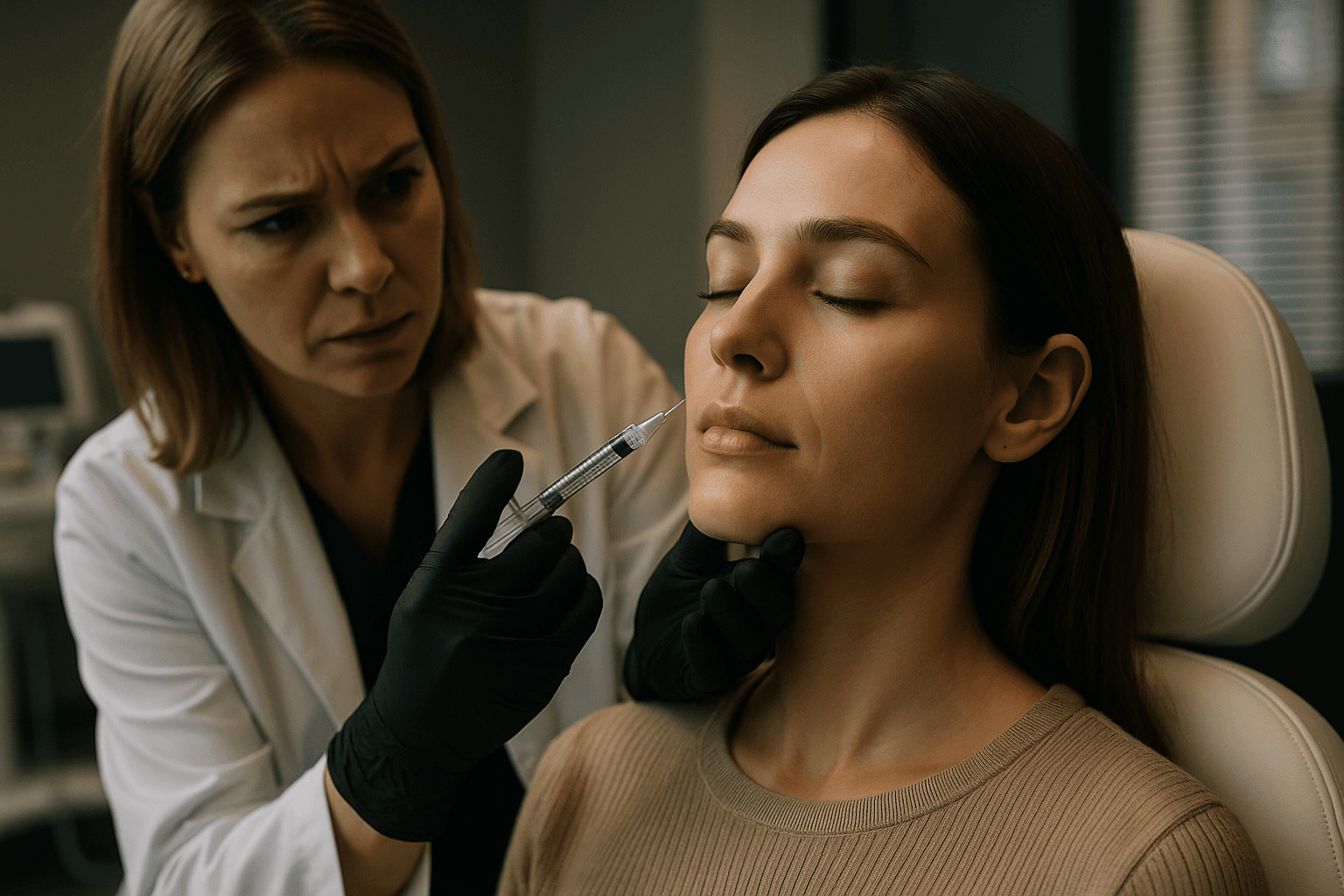
L’Oréal said it will buy an additional 10 percent stake in Swiss dermatology firm Galderma from a consortium led by EQT, increasing its holding to 20 percent with the deal expected to close in the first quarter of 2026. The move deepens L’Oréal’s exposure to the fast growing injectable cosmetics and dermatology sector, a segment showing double digit expansion and attracting strategic investors and private equity alike.
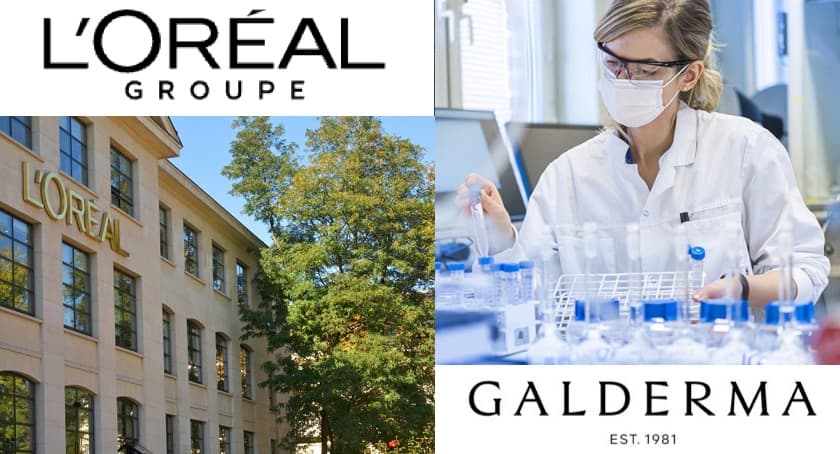
L’Oréal is increasing its equity investment in Galderma, the Swiss dermatology company known for prescription and aesthetic treatments, by acquiring an additional 10 percent stake from a consortium led by EQT. The transaction will bring L’Oréal’s total ownership to 20 percent and is slated to complete in the first quarter of 2026.
Company executives described the purchase as a strategic expansion into adjacent medical dermatology markets, where demand for minimally invasive procedures and prescription skin therapies has accelerated. Reuters reported that the deal may include board representation for L’Oréal, signaling a deeper operational relationship beyond a passive minority holding.
The timing reflects broader industry dynamics. The dermatology and aesthetic medicine segment has delivered double digit growth in recent periods as aging populations, rising disposable incomes in key markets, and shifting attitudes toward medical cosmetic procedures have lifted demand. For a consumer goods giant facing slowing growth in core beauty lines, a larger footprint in higher margin medical dermatology offers both revenue diversification and potential margin uplift.
From a market perspective, the transaction fits a pattern of convergence between consumer beauty and medical treatments. Major consumer brands have increasingly sought footholds in prescription and procedure-based markets to capture lifetime value and clinical credibility. For L’Oréal, which has built a global consumer distribution network, deeper ties to a specialist like Galderma could accelerate cross distribution, clinical research collaboration, and product development that blends cosmetic and therapeutic claims.
The sale from an EQT led consortium underscores private equity interest in dermatology, a sector that has been attractive for stable recurring revenues and pricing power. For the consortium, the sale represents a partial exit and portfolio rotation at a time when valuations for healthcare services and specialty pharmaceuticals remain relatively buoyant. The extent to which L’Oréal’s increased stake reflects a stepping stone to further integration or an investment for strategic returns will shape investor expectations.
Regulatory and policy issues will be important to monitor. Medical dermatology operates under healthcare rules that differ from consumer cosmetics, including clinical trial requirements, medical device oversight, and reimbursement frameworks in some markets. Any closer operational integration will demand careful compliance and clear separation where regulatory obligations require it.
Longer term, the move reinforces an economic trend toward specialization and vertical integration in health adjacent markets. Companies that can combine clinical credibility, product innovation, and broad distribution stand to capture outsized share as patients and consumers increasingly treat aesthetic care as part of routine health spending.
The deal is expected to close in early 2026. In the interim, investors and industry participants will be watching for specifics on governance changes, potential board seats, and joint initiatives that could reveal how L’Oréal plans to leverage its enlarged stake to compete in a rapidly evolving dermatology landscape.