Coca Cola names Henrique Braun chief executive, James Quincey becomes executive chairman
Coca Cola announced that Henrique Braun will succeed James Quincey as chief executive on March 31, 2026, with Quincey moving into an executive chairman role. The handover is framed as a continuity move to accelerate the companys shift toward zero sugar, premium and non carbonated beverages amid changing consumer tastes and increasing tariff and regulatory pressures.
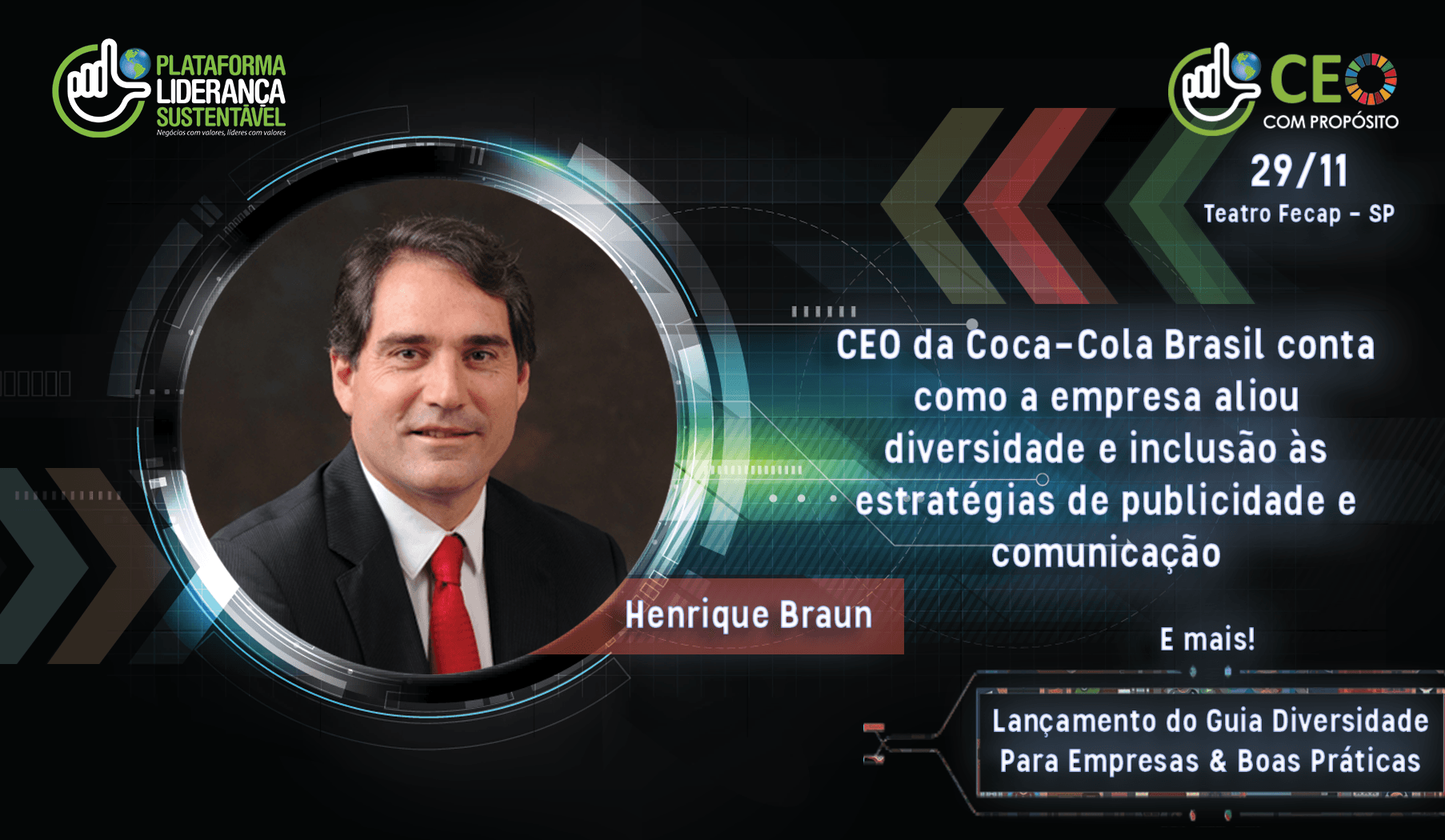
Coca Cola said on December 10 that Henrique Braun, its executive vice president and chief operating officer, will become chief executive effective March 31, 2026, and that James Quincey will transition to executive chairman. The change, disclosed in a company Form 8 K and accompanying press materials, is scheduled to take effect in roughly three and a half months, giving the company time to support a staged leadership handover at one of the world’s largest beverage companies.
Braun, 57, is a long time company veteran who has held senior leadership roles across Coca Cola’s major international markets. Company statements described the move as designed to preserve strategic momentum, particularly around recent portfolio expansion and a deliberate shift toward zero sugar products, premium offerings and non carbonated beverages. The announcement emphasized continuity rather than a break with recent strategy.
The leadership transition has drawn attention because of Coca Cola’s global scale and the stakes involved in navigating shifting consumer preferences and a more complex regulatory and tariff environment. Beverage consumption patterns have been moving away from traditional sugar sweetened carbonated drinks in many major markets, and multinational food and beverage companies have had to adapt product portfolios and pricing strategies to maintain growth. Coca Cola’s stated emphasis on zero sugar and non carbonated products signals a priority to capture that evolving demand mix.
From a governance perspective, the arrangement keeps Quincey in an influential position while installing Braun in the chief executive role. That structure is likely to reassure investors focused on strategic continuity, while placing day to day operational responsibility in Braun’s hands. The company framed the handover as a way to build on investments already made in new product categories and global market expansion.
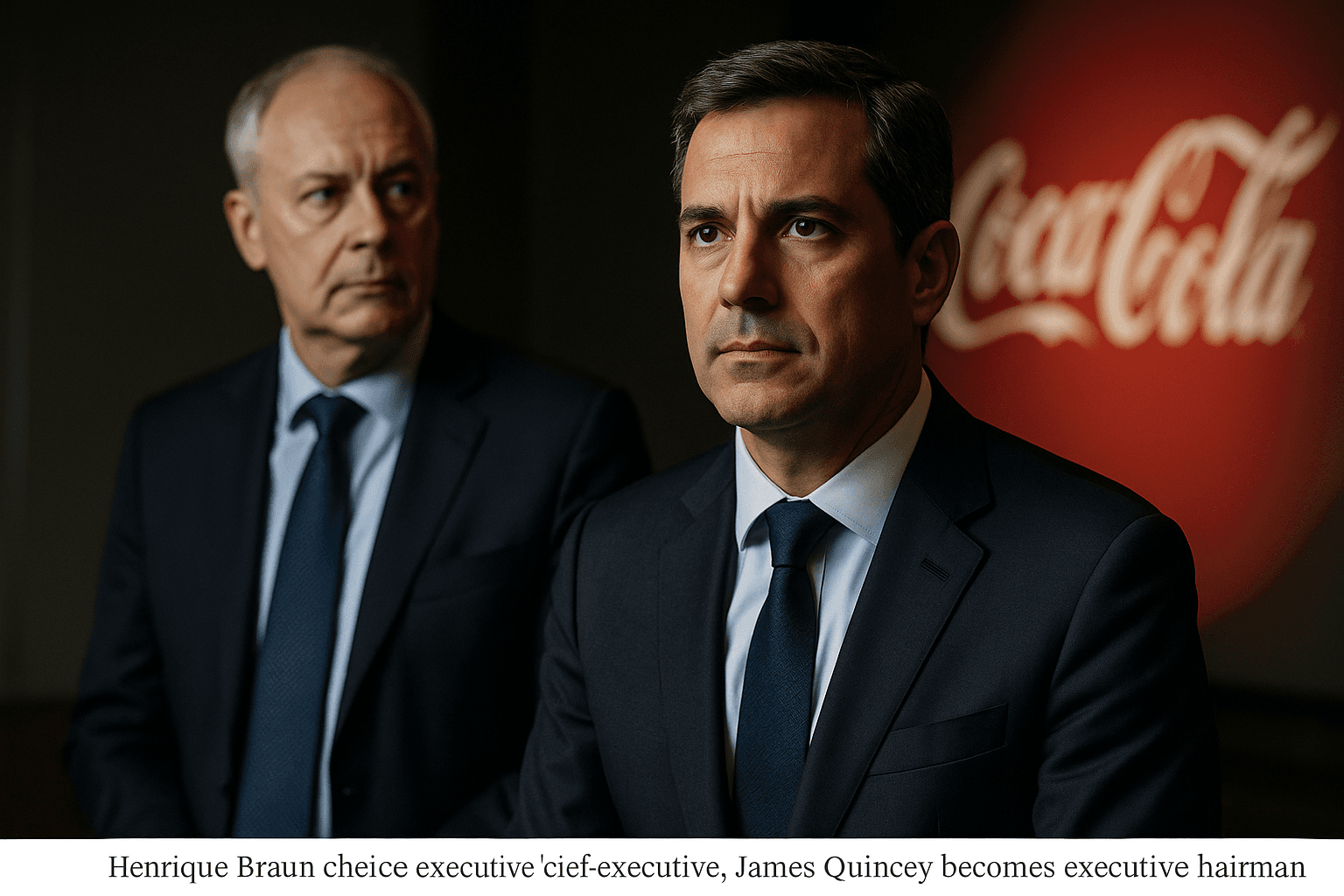
The transition also comes amid broader external pressures that affect Coca Cola’s margins and supply chains. Tariff shifts, regulatory responses to sugar and public health concerns, and localized policy interventions shape costs and market access for multinational beverage companies. Management teams in the sector are being judged on their ability to adapt portfolios, execute pricing and promotional strategies, and maintain distribution and supply chain resilience across diverse regulatory regimes.
For markets and shareholders, the near term test will be execution measured in changes to sales mix, margin trends and growth in targeted categories such as zero sugar and non carbonated drinks. Analysts and investors will track quarterly results and management guidance as the company implements the handover and seeks to demonstrate progress on portfolio diversification.
Longer term, the move underscores a broader industry pivot away from carbonated sugar centered products toward premiumization and greater variety of beverage formats. By signaling an orderly leadership succession, Coca Cola is betting that continuity at the top will support the complex operational work needed to translate strategy into sales and margin gains across its global footprint.
Sources:
Know something we missed? Have a correction or additional information?
Submit a Tip