Congress Unveils $901 Billion Defense Bill, $400 Million for Ukraine
Lawmakers released a 3,000 page compromise version of the annual National Defense Authorization Act that would authorize roughly $901 billion in national security spending for fiscal 2026, and includes a $400 million reauthorization for military assistance to Ukraine. The draft advances a 4 percent pay raise for enlisted troops and a slate of policy changes favored by House Republican leaders, setting up a contentious reconciliation process as both chambers work toward final passage.
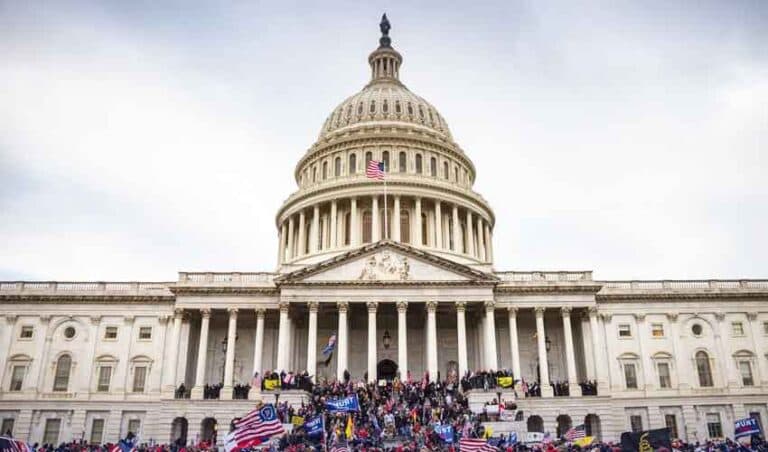
Lawmakers on Capitol Hill unveiled a sweeping 3,000 page draft of the National Defense Authorization Act that would authorize approximately $901 billion in national security spending for fiscal 2026, surpassing the administration request and putting Congress on a collision course over how much defense policy should shape budget priorities. The compromise package includes a $400 million reauthorization for military assistance to Ukraine, a 4 percent pay raise for enlisted U.S. troops, and a series of policy provisions pushed by House Republican leaders.
The measure does not itself appropriate funds. It sets authorizations and policy direction that will now move through the congressional calendar where both the House and Senate must reconcile language and pass final appropriation measures. That distinction matters for timing and fiscal impact because final outlays will be determined in separate spending bills and continuing resolutions during the appropriations process.
Republican architects of the compromise included provisions aimed at rolling back diversity and inclusion programs at the Pentagon and tying certain forms of military support to border security and other domestic priorities. Those riders reflect intra party negotiations that secured enough Republican support to present the package to both chambers, but they have drawn concern from Democrats who say the domestic policy additions could undermine readiness and morale. Democrats also expressed frustration that the bill omits a bipartisan housing construction initiative for service members that had been part of earlier negotiations.
The inclusion of $400 million for Ukraine signals continued U.S. military assistance even as some Republican lawmakers have sought tighter conditions on aid. Compared with the overall authorization, the Ukraine reauthorization is modest, but it will be watched as a bellwether for U.S. commitment to allied support and for how Congress balances foreign assistance with domestic priorities.

From a fiscal perspective the $901 billion authorization continues a multiyear trend of elevated defense spending and will factor into broader budget debates for fiscal 2026. The 4 percent enlisted pay raise adds to recurring personnel costs and reflects bipartisan consensus on service member compensation even amid policy disputes. Defense contractors and procurement programs stand to benefit from an authorization that provides procurement targets and signaling for long term acquisitions, but actual contract awards depend on later appropriations and programmatic language in implementing bills.
The path forward will center on committee markups, floor votes and a conference between the House and Senate to reconcile differences. Lawmakers face a compressed timeline to convert authorization language into appropriations before fiscal year deadlines, making the NDAA a politically significant must pass vehicle. How Congress resolves the policy riders and the omitted housing measure will shape both the practical implementation of defense priorities and the broader political battle over the relationship between national security and domestic policy.