Trump to Unveil $12 Billion Farm Aid for Struggling Producers
The White House is expected to announce a $12 billion farm aid package today aimed at cushioning farmers from low crop prices and fallout from tariff policies, a move that could reshape rural incomes and commodity markets. The plan comes as trade tensions continue to pressure agricultural exports, and officials attending the event will include Treasury Secretary Scott Bessent and Agriculture Secretary Brooke Rollins.
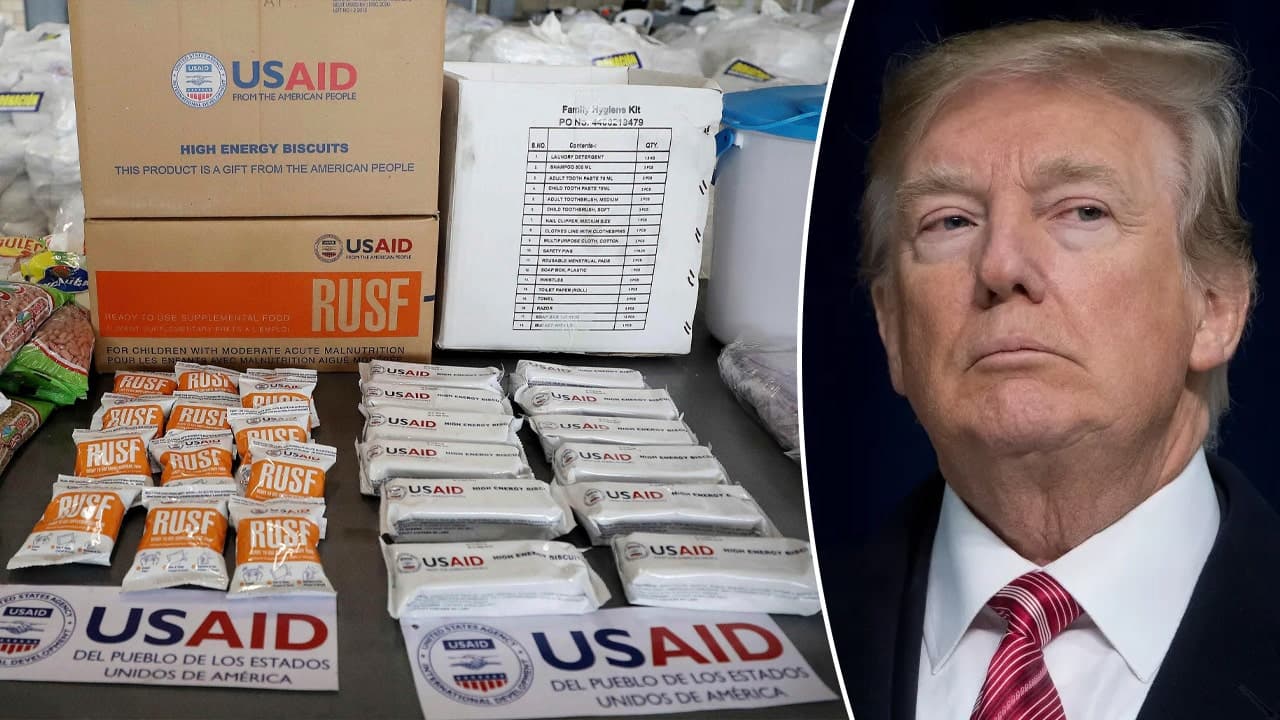
The White House plans to unveil a $12 billion package of farm support on December 8, as President Donald Trump hosts an event with farmers and senior administration officials, according to Reuters reporting that cites Bloomberg. The initiative is described as covering multiple agricultural sectors, including cattle and a broad array of crops from grains and soybeans to cotton and potatoes. Reuters noted it had not independently verified Bloomberg’s reporting.
Administration officials scheduled to attend include Treasury Secretary Scott Bessent and Agriculture Secretary Brooke Rollins, a lineup that underscores both the fiscal and sectoral dimensions of the effort. The presence of the Treasury chief signals White House attention to budgetary implications even as farm communities press for rapid assistance to blunt the effect of depressed commodity prices and disrupted export markets.
The announcement arrives against a backdrop of protracted trade and tariff frictions that agricultural producers blame for lower prices and weakened demand abroad. While agriculture accounts for roughly one percent of U.S. gross domestic product, farm receipts ripple through rural economies and political battleground states, making agricultural relief a potent economic and electoral issue. Farmers have been urging more targeted relief after several years of volatility in commodity markets and episodic federal interventions.
Market implications could be immediate. A $12 billion infusion, depending on its design, has the potential to stabilize near term farm incomes and reduce volatility in futures markets for affected commodities. Direct payments would likely provide the fastest cash relief for producers, while government purchases or acreage reduction programs would more directly influence supply and prices. Absent details from the White House, traders and analysts will be watching how the funds are allocated and whether they are tied to production metrics or export recovery.
Policy trade offs are stark. Emergency aid can blunt income shocks, yet it may also create distortions that complicate trade negotiations and invite retaliatory claims from foreign trading partners who view large subsidies as market support. Past administrations have deployed a mix of direct payments and market facilitation programs to respond to trade disruptions, and those precedents suggest Washington has several tools at hand, each with different domestic and international consequences.
Fiscal considerations matter. A program of this size will add to near term federal outlays and could widen budget deficits unless offset by cuts or revenue measures. The Treasury role at the event signals that the White House is weighing those budgetary trade offs even as it seeks to offer rapid relief to agricultural constituencies.
For farmers, the announcement will be judged on speed, scale and targeting. For markets and trade partners, its design will determine whether the package is read as temporary stabilizing support or a longer term government intervention in commodity markets. The White House has not disclosed the mechanism, and Reuters stressed that Bloomberg’s reporting had not been independently verified at the time of publication.