New Orleans surveillance, arrests raise questions about immigration crackdown
Records obtained by The Associated Press show state and federal agencies monitoring online criticism and compiling public sentiment reports as they carry out arrests under an operation called Catahoula Crunch, prompting concerns about transparency and civil liberties. The actions could deter community participation in public life and complicate health outreach in neighborhoods with large immigrant populations.
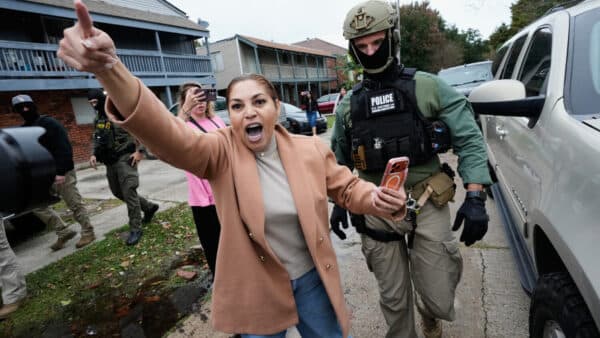
State and federal authorities are conducting round the clock monitoring of social media and community message boards as they carry out a broad immigration enforcement operation in New Orleans, according to law enforcement records reviewed by The Associated Press. The surveillance, compiled by fusion centers and other agencies, has tracked posts encouraging people to record agents, share tips about their locations, and organize protests while briefings delivered to law enforcement catalog public sentiment and flag viral videos that have stoked controversy.
The intelligence gathering accompanies the first arrests made last week under an operation called Catahoula Crunch. Records show 38 people were arrested in the first two days, and that fewer than a third of those individuals had criminal histories, a gap that local leaders say calls into question federal statements that the sweeps are focused on violent offenders. City and state officials have publicly complained about receiving scant information from federal partners and say they were kept in the dark about virtually every aspect of the operation.
Civil liberties advocates warn that intensive online surveillance could chill free speech and suppress community organizing, particularly in immigrant neighborhoods where fear of enforcement already affects daily life. Law enforcement officials have defended monitoring as necessary for officer safety and operational security. The Department of Homeland Security did not provide new details to The Associated Press and referred questions to previous public statements about the operation.
Health and social service providers say the broader consequences of enforcement and surveillance can ripple through communities, even when the stated targets are people with criminal records. Public health experts and community organizers have documented how heightened enforcement activity and perceived surveillance lead residents to avoid clinics, social services, and public benefits for fear of exposure to immigration authorities. Reduced engagement with preventive care and mental health services can deepen disparities among populations that already face barriers to care.

The records reviewed by the AP show law enforcement agencies compiling regular updates on local sentiment, effectively mapping how residents respond to enforcement actions. Officials monitored online discussions for instructions about where agents would be or how to document encounters. Briefings described sentiment as mixed, noting both support for enforcement and viral clips that have galvanized critics. Those materials underscore how rapidly encounters with enforcement can escalate into wider public debates and stress community relations.
Local elected officials have pressed federal partners for greater transparency and for assurances that information sharing would not undermine civil liberties or public safety. The tension between federal operational secrecy and local demands for accountability highlights longstanding questions about oversight of immigration enforcement and its uneven impact on communities of color.
As the operation continues, community groups and advocacy organizations are mobilizing to provide legal and health resources to affected families and to press for fuller disclosure from authorities. The unfolding episode in New Orleans illustrates how immigration enforcement strategies intersect with public trust, health access, and the civic life of neighborhoods, raising policy questions about how to balance enforcement objectives with community wellbeing.