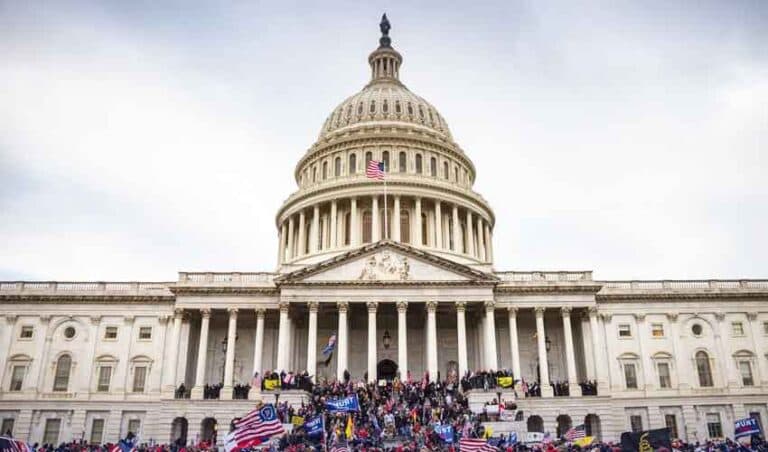
Supreme Court Agrees to Hear Challenge to Birthright Citizenship
The Supreme Court on December 7 agreed to take up a high profile challenge to the 14th Amendment that could narrow who is deemed a U.S. citizen at birth. The case raises far reaching legal and economic questions, because any limitation on birthright citizenship would affect millions, reshape immigration enforcement, and create budgetary and labor market uncertainty.
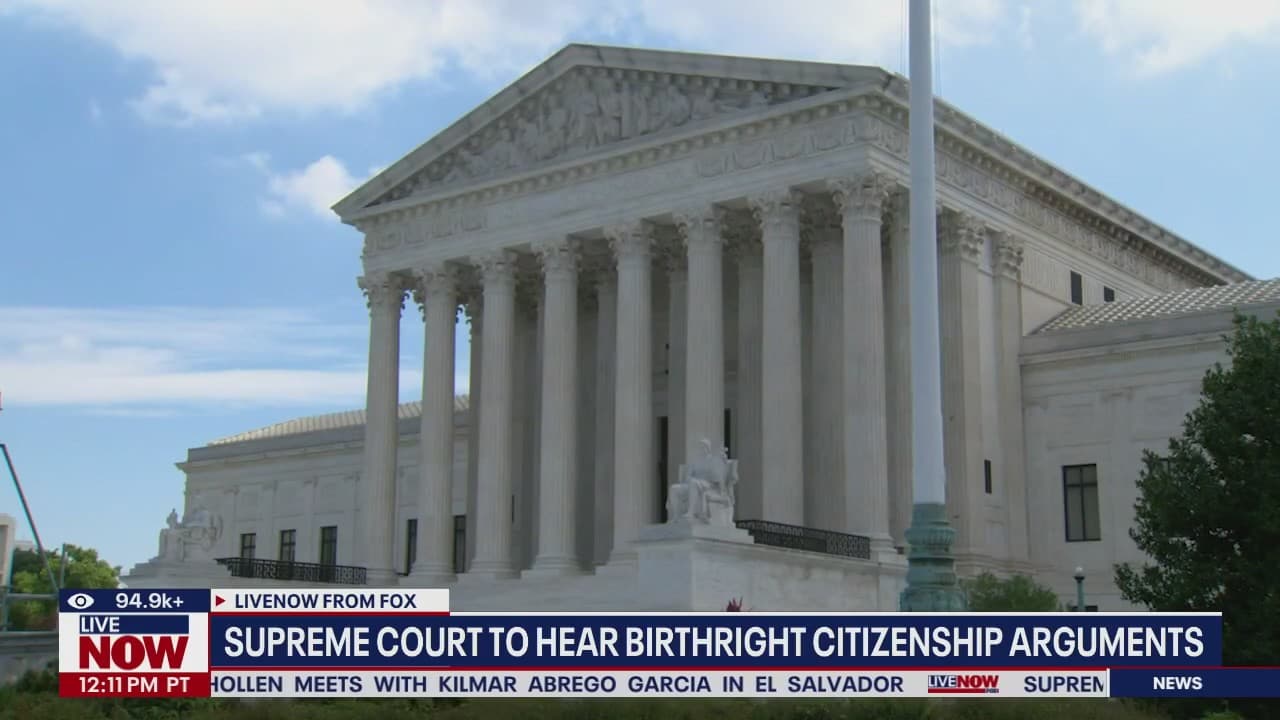
The Supreme Court’s decision to accept a case testing the scope of the 14th Amendment’s Citizenship Clause thrust a constitutional dispute with major policy consequences onto the national agenda. At issue is whether children born in the United States to certain noncitizens automatically acquire citizenship, or whether the phrase subject to the jurisdiction thereof permits a narrower reading. The court’s agreement to review the matter, announced December 7, sets the stage for months of briefing and argument and raises the prospect of a landmark opinion reshaping longstanding legal doctrine.
The legal debate centers on the clause ratified after the Civil War and the high court’s 1898 decision in United States v. Wong Kim Ark, which long has been read to grant birthright citizenship to most people born on U.S. soil. The new case invites the justices to revisit questions about the clause’s original meaning, modern statutory frameworks, and the interaction between constitutional text and immigration statutes. Lower courts have been divided in recent years about the extent to which citizenship is conditioned on parental status or lawful presence, and justices have signaled renewed interest in clarifying the standard.
The stakes extend far beyond constitutional theory. Millions of people could be affected if the court narrows the rule. Roughly 3.6 million children are born in the United States in a typical year according to CDC data, and analysts say a substantial subset are born to noncitizen parents. The United States also has a foreign born population of roughly 14 percent of the total, which was about 46 million in recent Census counts. A ruling that removes automatic citizenship for children of certain parents would create immediate administrative burdens as state and federal agencies confront questions about vital records, citizenship documentation, eligibility for public benefits, and school enrollment.
Economists and budget analysts warn of significant fiscal and market implications. State education systems would face uncertainty about enrollment and funding allocations for students whose status may be contested. Health care programs and Medicaid could see shifts in coverage rolls and uncompensated care cost. Labor markets could experience ripple effects in sectors that rely heavily on immigrant families, such as agriculture, construction, hospitality and caregiving, if legal status of children alters families’ mobility or employment patterns. Employers could encounter new compliance challenges and verification costs for work eligibility systems.
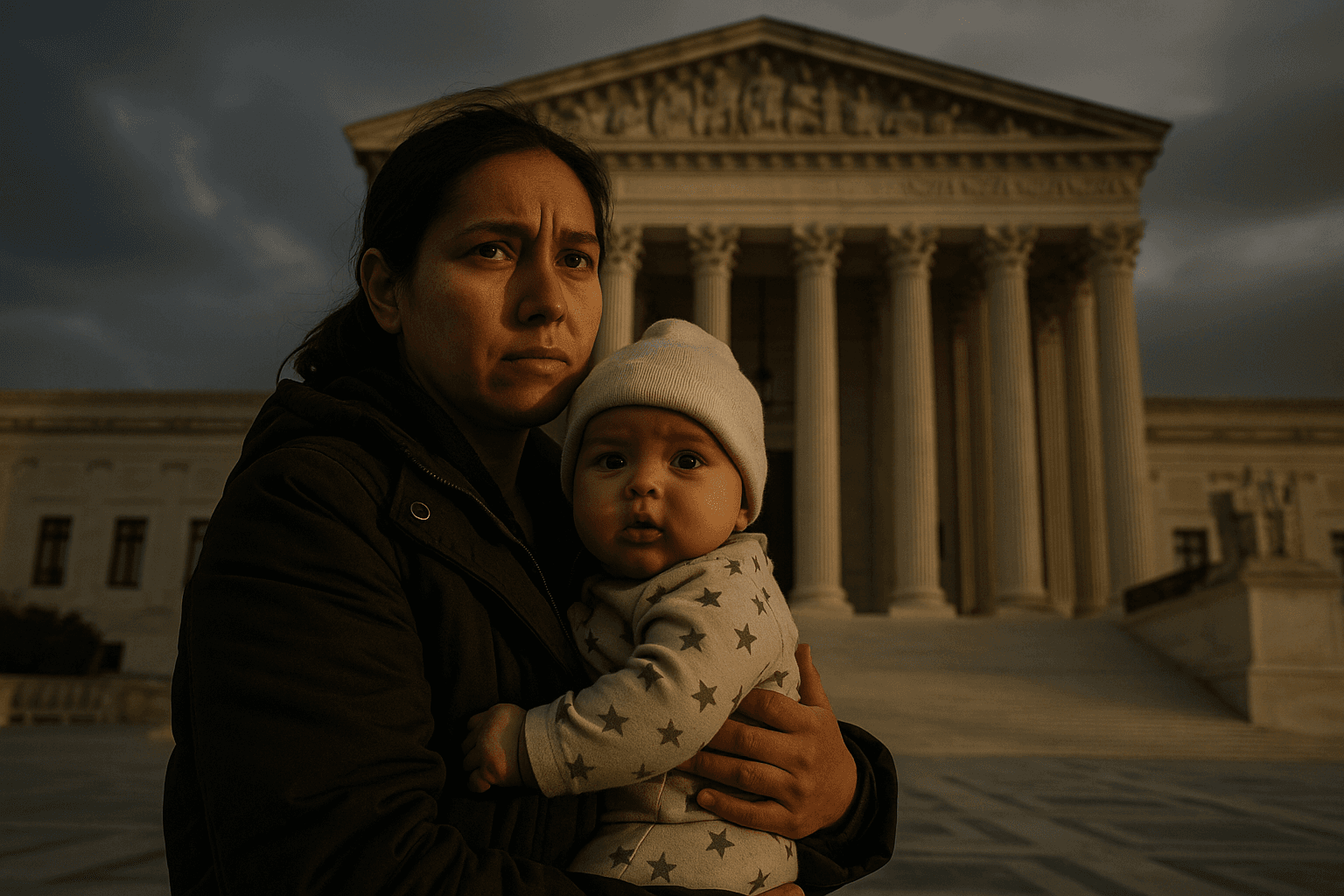
The legal and political fallout also promises to be intense. A decision altering current doctrine would prompt litigation over retroactive effects, eligibility for Social Security and other programs, and possible new federal or state statutes to define status. The case will arrive at a volatile moment for immigration policy, and any ruling is likely to shape congressional debate and state level responses.
The court’s calendar now anticipates briefs and oral arguments in the coming months, with a final decision expected in the following term. Whatever the outcome, the case will force a national reckoning over citizenship, administrative capacity, and the economic consequences of redefining who is deemed American at birth.