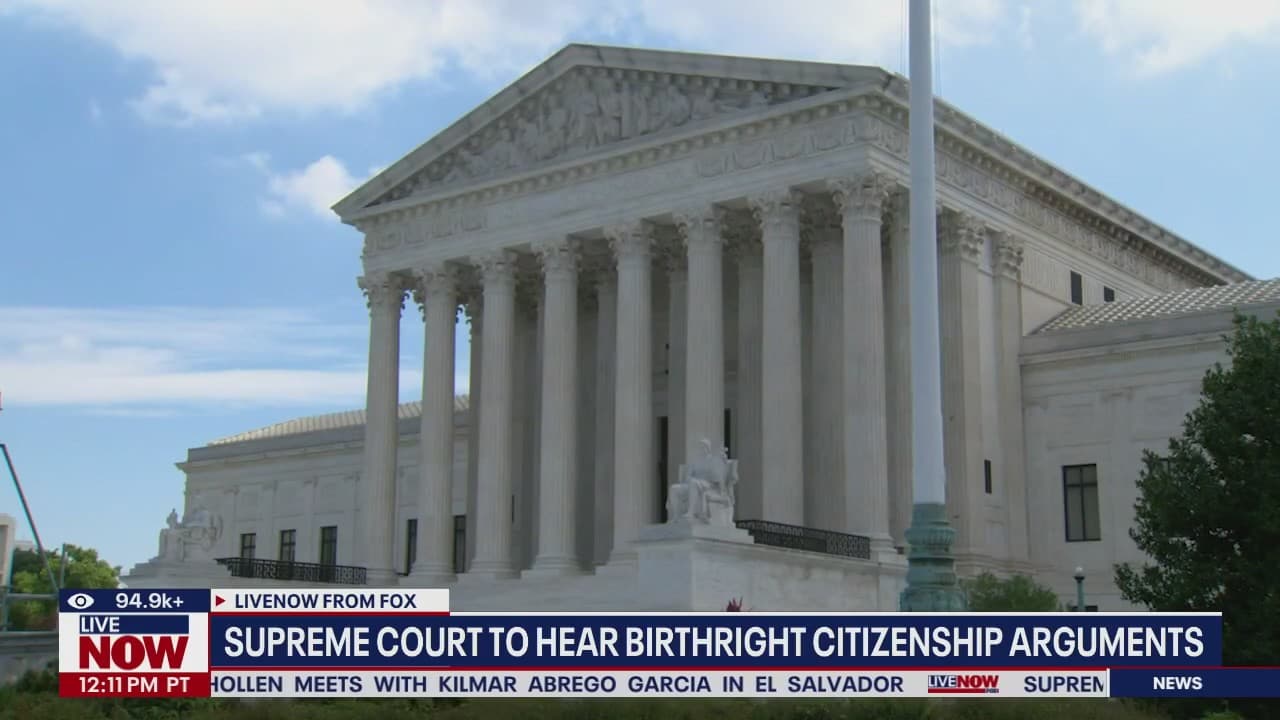
Supreme Court Declines Appeal Over Texas Library Book Removals
The Supreme Court on December 8 declined to hear an appeal by Llano County residents challenging removal of 17 library books, leaving a Fifth Circuit ruling in place that found no First Amendment "right to receive" those titles in its region. The decision matters because it affirms local officials power to restrict access in Texas, Louisiana and Mississippi, and could shape library governance and civic battles over cultural and educational materials.

The U.S. Supreme Court declined on December 8 to take up an appeal by residents of Llano County, Texas who challenged a judicial decision allowing local officials to remove 17 books from public libraries, leaving intact a Fifth Circuit ruling that found public library patrons do not possess a First Amendment "right to receive" those books in its jurisdiction. Reuters reported the court action, which preserves the appellate court's reversal of a lower federal judge who had ordered the titles restored.
The dispute began in 2021 when local residents requested removal of multiple titles dealing with race, LGBT identity and bodily functions. A federal district court initially sided with patrons who argued for reinstatement, but the Fifth Circuit reversed that ruling, concluding that the Constitution does not guarantee a right to access particular books in public libraries within Texas, Louisiana and Mississippi. By declining to grant review, the Supreme Court left that interpretation in place for the circuit's three states while stopping short of establishing a nationwide legal rule.
The ruling carries immediate practical implications for library systems and local governance. In jurisdictions covered by the Fifth Circuit the decision effectively empowers county officials and appointed library administrators to remove materials without running anew constitutional obligations recognized in other federal circuits. Library directors and collection managers may face increased pressure from elected officials and advocacy groups when making acquisition and retention decisions, and some institutions could respond by narrowing collections to avoid legal entanglement.
The case underscores a broader national debate over book removals that has sharpened civic engagement at the local level. Community campaigns to challenge or support particular titles have become a feature of school board and local government politics, prompting higher turnout in municipal races and sustained organizing by both parents groups and civil liberties advocates. With the Supreme Court's refusal to intervene, the issue may further concentrate in state courts, local boards and ballot box contests where voters choose library trustees and county commissioners.
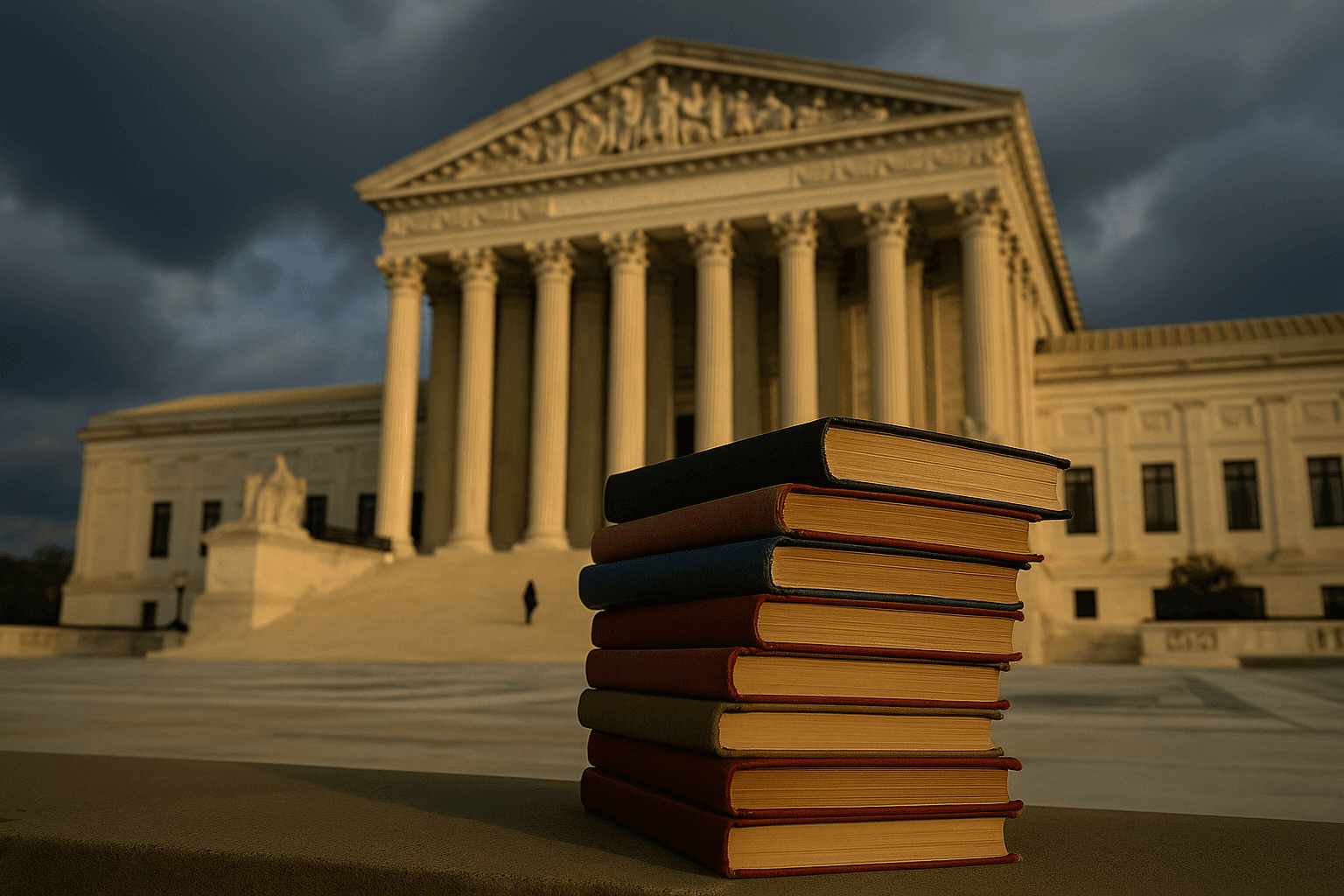
Legal experts and advocates will likely watch for further litigation that could create a circuit split and draw the high court back into the question. Because the denial does not act as a precedent across all circuits, outcomes in other regions may continue to diverge. Congress or state legislatures could also move to clarify statutory protections for libraries, although any legislative pathway would require political consensus that has so far proved elusive.
For residents of Llano County and similar communities within the Fifth Circuit the immediate effect is clear. The removed books will remain out of library circulation unless local officials or courts change course. For the country at large the episode highlights how localized disputes over cultural materials are translating into constitutional tests and electoral contests, with consequences for who controls access to information in public institutions.