Treasury Secretary Divested Soybean Farm, Clears Ethics Questions, Faces Policy Scrutiny
Treasury Secretary Scott Bessent told CBS' Face the Nation he had divested his interest in a soybean farm this week to satisfy an ethics agreement after warnings from the Office of Government Ethics. The move removes an apparent conflict as he continues to play a leading role in trade and tariff decisions that have direct consequences for farmers and rural communities.
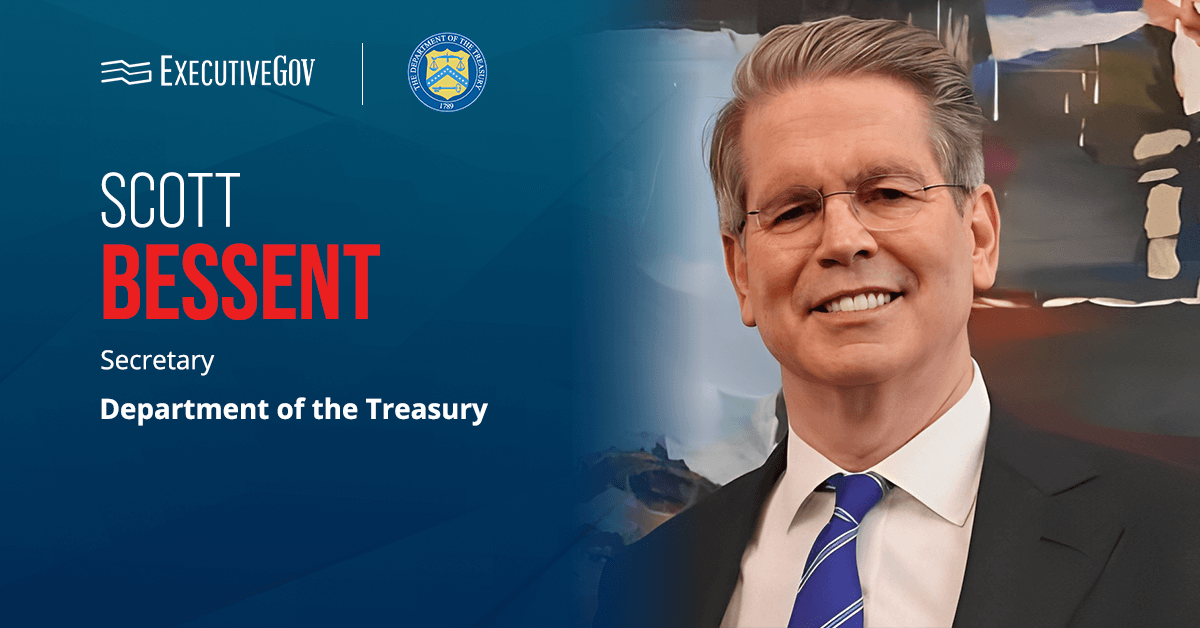
Treasury Secretary Scott Bessent said on December 7 that he had divested a remaining interest in a soybean farm this week, a step taken to comply with an ethics agreement he signed when joining the administration. Reuters reported the disclosure and noted that the Office of Government Ethics had earlier warned that Mr Bessent had not fully completed the agreed divestitures.
The divestiture addressed a particularly visible asset in a portfolio that Reuters and prior reporting said included up to twenty five million dollars in North Dakota farmland. Treasury ethics officials had described the last holdings as illiquid but said Mr Bessent had been working to complete the process. Most other required divestitures were completed earlier in 2025, according to the reporting.
The timing matters because Mr Bessent remains a central figure in the administration's trade and tariff policy, an area of government action with tangible effects on farm incomes, commodity markets, and local economies. Soybeans are a critical crop for many Midwestern communities, both as a source of farm revenue and as a link in supply chains that affect feed, food and export markets. Policy decisions on tariffs and trade barriers can change price signals for farmers, reshape planting decisions and alter the viability of rural agribusinesses that sustain local health systems and social services.
Ethics officials and lawmakers have long wrestled with how best to manage high value but hard to sell assets held by public officials. Illiquid holdings such as farmland present practical challenges for compliance, and this episode highlights the tension between the public interest in impartial policymaking and the private stakes of officials who enter government with substantial agricultural investments. For rural communities, the questions are not only about conflicts at the top, but about whose voices inform trade policy and whether those policies protect smaller producers and the workers who depend on them.
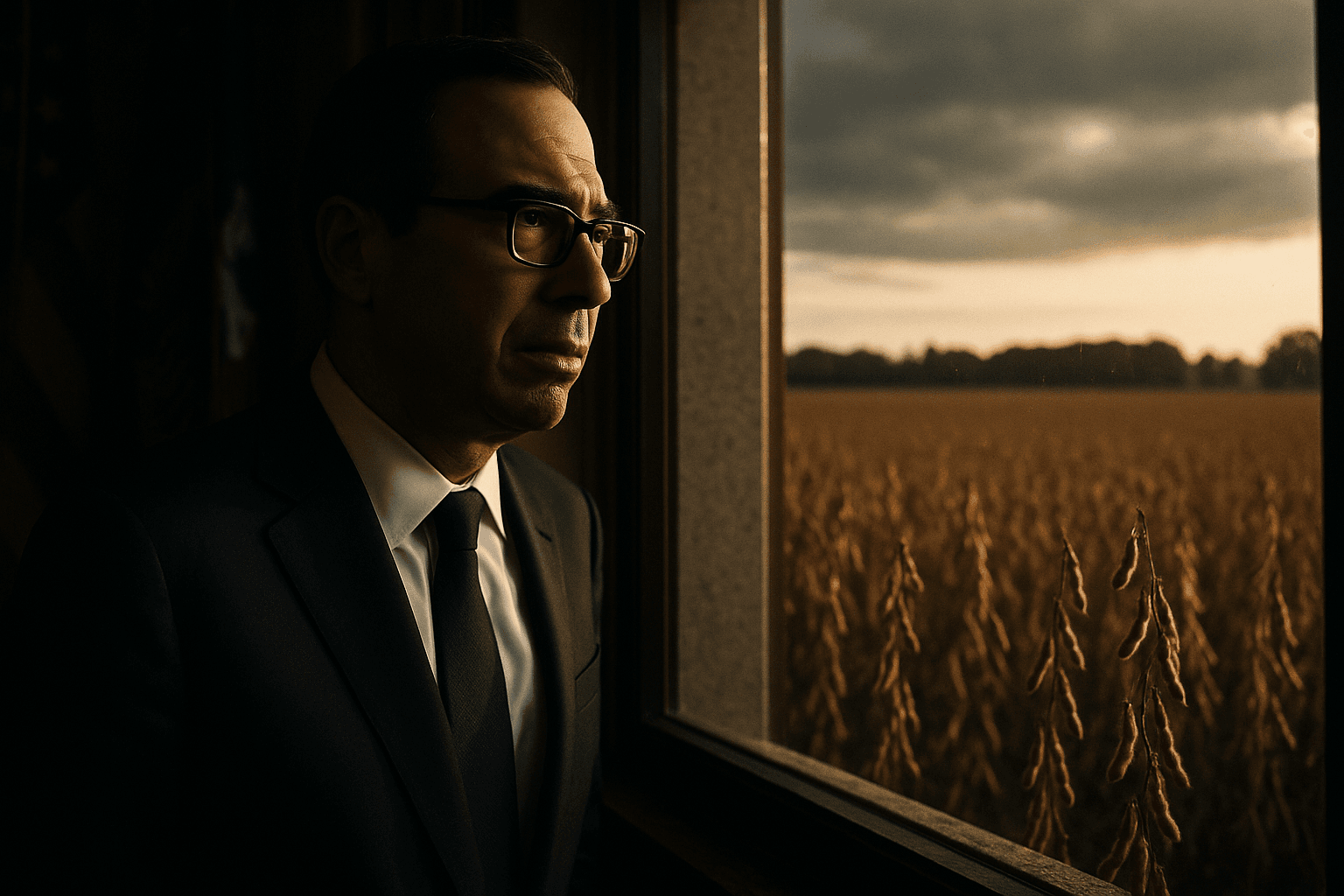
Public health advocates say agricultural and trade policy ultimately shape access to affordable, nutritious food and the economic stability that underpins health in farming regions. When policy design is perceived to be aligned with the interests of large property owners, smaller producers and low income consumers may have less influence over decisions that affect crop diversity, prices and local employment.
The divestiture is likely to blunt immediate concerns about direct conflicts between Mr Bessent's personal assets and his portfolio at Treasury. At the same time it renews attention to the broader systems that concentrate land ownership and influence in agriculture, and to the mechanisms by which ethics agreements are monitored and enforced. As trade decisions that affect farmers proceed, rural leaders and public health stakeholders will be watching how policy choices balance market stability, equity and the health of communities that depend on a resilient agricultural sector.