Conservation easement protects Georgia O’Keeffe vistas near Ghost Ranch
A new conservation easement will preserve roughly 10 square miles of rangeland, shoreline and native grasslands around Abiquiú, New Mexico, safeguarding the landscapes that inspired Georgia O’Keeffe. The agreement balances ecological protection and cultural uses, funds local programming, and sets the stage for expanded protection of riverbanks and wildlife habitat.
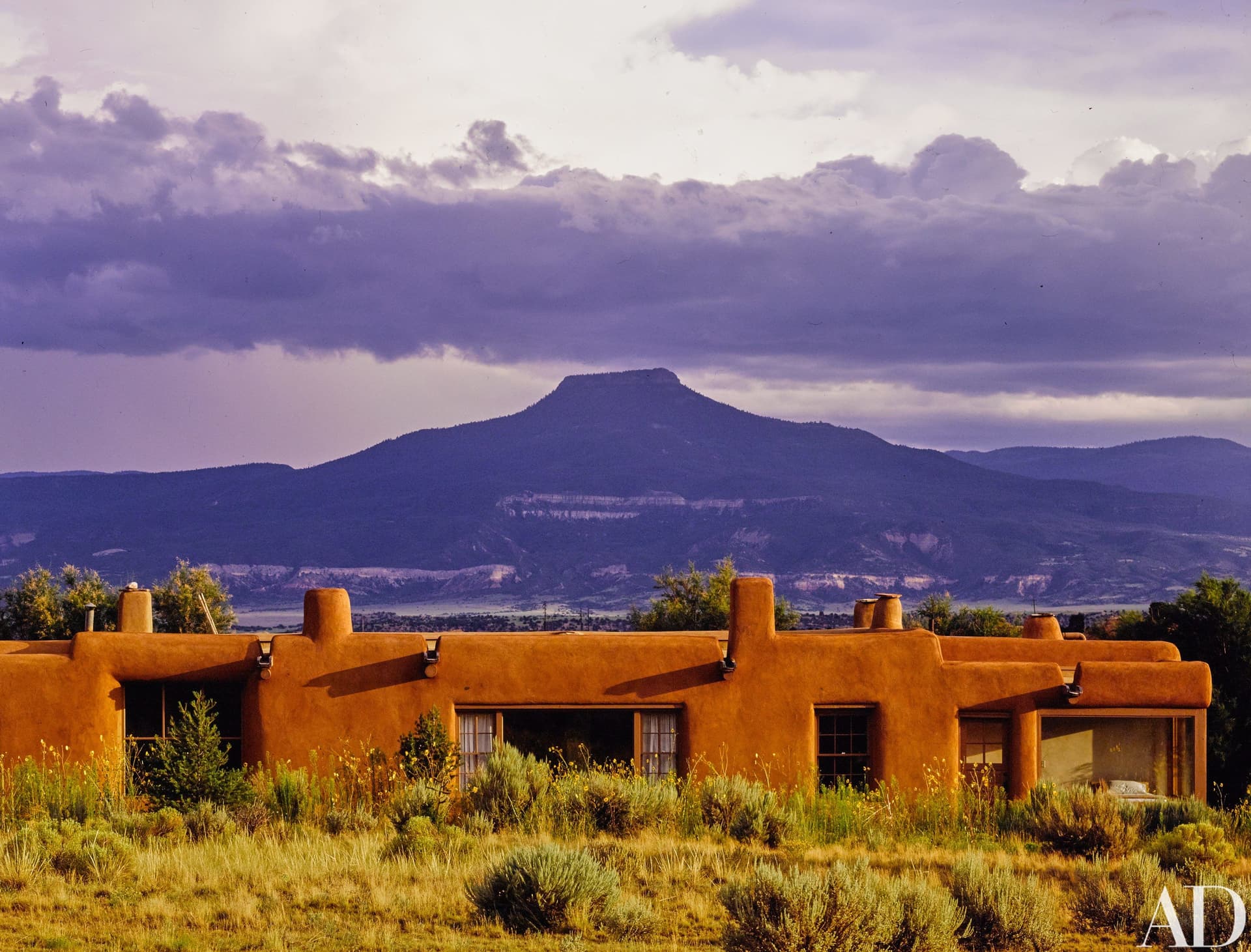
A conservation easement and partnership announced Tuesday will protect roughly 10 square miles of land adjacent to the Ghost Ranch Education and Retreat Center near Abiquiú, New Mexico, preserving the dramatic vistas that shaped Georgia O’Keeffe’s art. The parcel includes rangeland, shoreline and native grasslands and is owned by a charitable arm of the Presbyterian Church U.S.A. The agreement explicitly covers Cerro Pedernal and surrounding views, traditional winter grazing practices, continued public access for educational retreats and limited use by film productions.
State support is a central component of the deal. A state created trust is financing the program in part, and state officials have approved a $920,000 award to cover land surveys, transaction costs and an endowment to support programming on the protected lands. Organizers say the funding will help ensure the easement is implemented without shifting costs to local users and will support stewardship activities and public education programs tied to the landscape.
Conservationists and local managers framed the arrangement as a model of voluntary conservation that preserves both ecological function and community uses. The easement language protects traditional winter grazing, which local ranchers say is essential to the region’s agricultural economy and to cultural continuity. At the same time the agreement is designed to maintain public access for retreats and educational activities hosted at Ghost Ranch, a center that attracts artists, students and scholars and serves as an important visitor anchor for northern New Mexico.
Planners also allowed limited film production use on the property, acknowledging the role that media projects can play in the regional economy while placing caps and conditions intended to prevent damage to ecological and visual resources. Future phases of the larger conservation effort envision protecting more than 30 square miles, extending protections to riverbanks and additional wildlife habitat along the landscape.
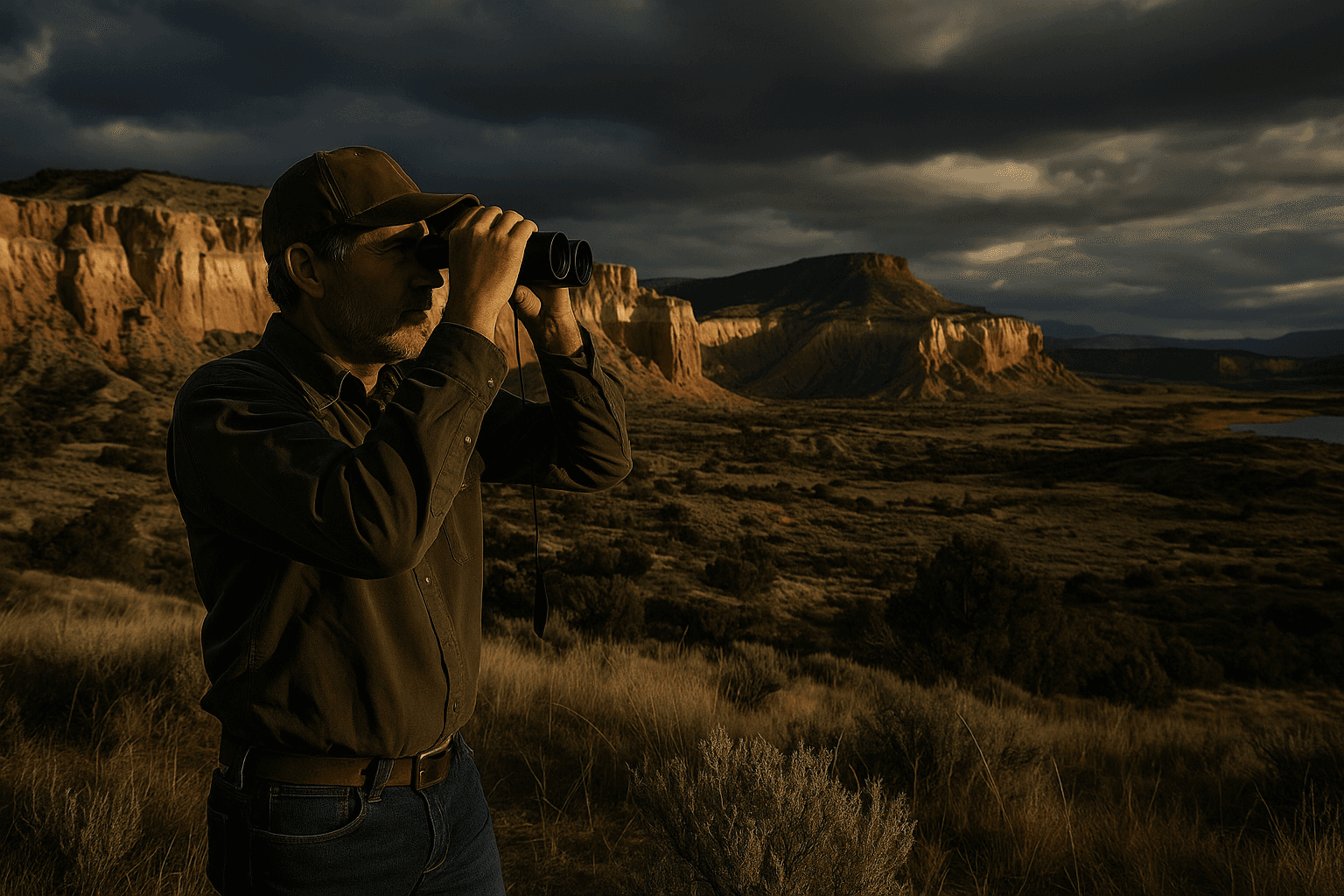
Ecological experts say protecting contiguous tracts of native grassland and shoreline is important for biodiversity, erosion control and climate resilience. Riverbanks and riparian areas in the region provide critical habitat for birds and native fish, and intact grasslands store carbon and support pollinators. By keeping these lands under conservation easement, organizers aim to reduce development pressure, maintain wildlife corridors and preserve the scenic qualities that have long drawn visitors and artists.
The agreement raises broader questions about state and federal roles in financing land protection and about how conservation can be structured to support community needs and equity. The $920,000 award is intended to cover initial costs and seed an endowment for programming, but advocates say sustained funding and inclusive governance will be necessary to ensure that ranching families, local educators and visitors all benefit from the protections over the long term.
By securing these vistas and working lands, the easement offers a pragmatic approach to balancing cultural heritage, ecological stewardship and local livelihoods. The project’s leaders say the voluntary conservation model can scale up in the coming years to bring more of the Abiquiú landscape under permanent protection, preserving both the view that inspired O’Keeffe and the ways of life that depend on it.