ICE Arrests of Afghans Rise After Guard Shooting, Advocates Say
Immigration lawyers and community groups say arrests of Afghans by U.S. Immigration and Customs Enforcement have increased since a suspect in the shooting of two National Guard troops was identified. The pattern has raised alarm among advocates who warn of collective punishment, chilling effects on cooperation with authorities, and growing legal and policy questions about enforcement priorities.

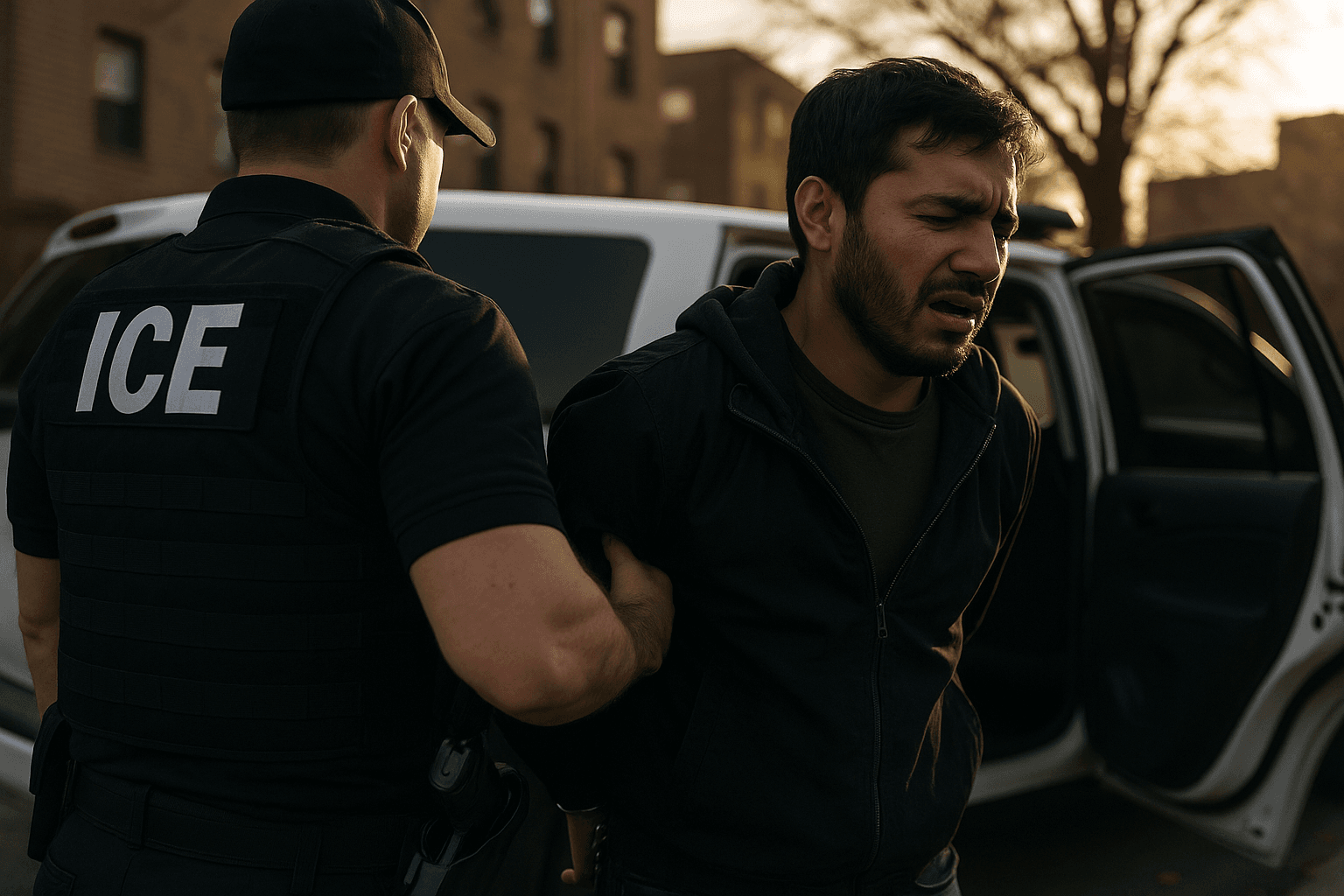
Advocates, immigration lawyers and Afghan community groups across the United States say they are seeing a surge in arrests by U.S. Immigration and Customs Enforcement of Afghans in the days since an Afghan national was identified as a suspect in the shooting of two National Guard troops. The Associated Press reported on December 9 that enforcement actions have escalated, with arrests taking place at routine office check ins and an apparent increase in denials or pauses for immigration benefits.
The people affected include Afghans who worked with U.S. forces during America’s military mission and those who were evacuated and later granted asylum. Community organizations say many clients and neighbors are now reluctant to attend required ICE appointments, seek public benefits or come forward as witnesses to crimes because they fear being detained. Lawyers and advocates characterize the trend as collective punishment and say it is producing a chilling effect that undermines community safety and public health.
Federal officials have defended the actions as enforcement consistent with public safety priorities, saying arrests reflect agency discretion to detain individuals who meet enforcement criteria. The AP account quotes federal sources describing such priorities, and underscores the tension between targeted law enforcement and the broader social consequences of intensified enforcement directed at a single national group.
Immigration attorneys say the uptick is complicating routine cases and delaying adjudications. They report arrests during check ins that previously represented a stable point of contact between ICE and clients, increasing legal uncertainty for people in the asylum process and those who assisted U.S. operations in Afghanistan. Advocates warn that halting or denying benefits to evacuees and veterans of U.S. missions could contravene the spirit of U.S. commitments to allies and their families and exacerbate inequities in access to safety and stability.
Public health and social service providers are seeing the immediate fallout. Community clinics and mental health programs say clients who fled violence in Afghanistan are experiencing heightened anxiety and mistrust of institutions. Health professionals caution that when immigrant communities withdraw from contact with government or health systems, illnesses go untreated, vaccination rates fall and opportunities for preventative care are lost, with effects that ripple beyond any single population.
The developments have prompted calls for clearer guidance from the Department of Homeland Security and congressional oversight. Advocates want transparent criteria for arrests and detention in the wake of high profile incidents, and they are urging policymakers to weigh the collateral harm to families, local institutions and community trust. Legal advocates are examining potential challenges to arrests they view as retaliatory or discriminatory, and are documenting cases to press for remedies.
As the debate unfolds, community leaders stress the need to balance public safety with protections for vulnerable people who assisted U.S. efforts or were legally admitted after evacuation. They argue that enforcement actions that sweep broadly into immigrant communities risk undermining the very safety goals they seek to advance.