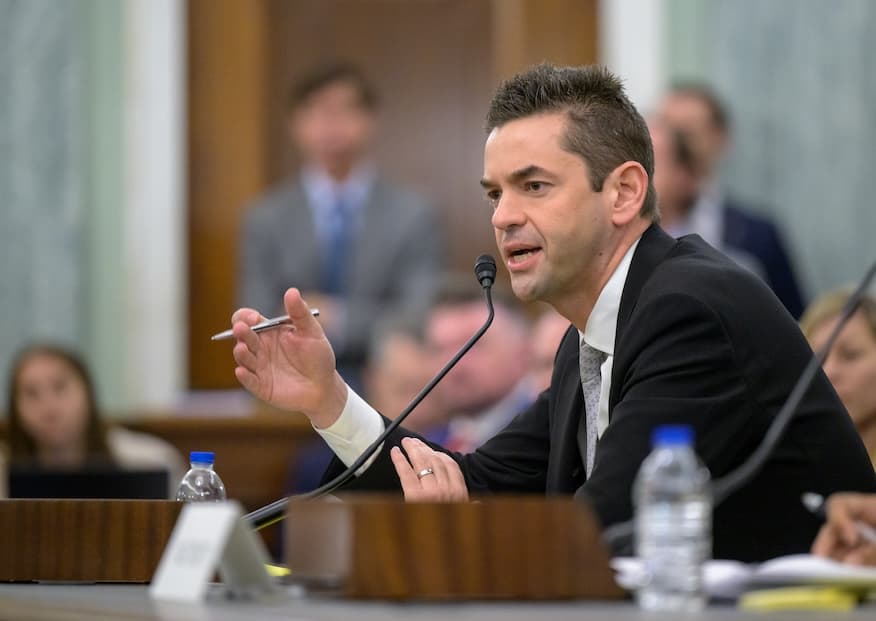
Senate to Vote on Competing Health Plans as ACA Subsidies Near Expiration
Senate leaders scheduled votes for Thursday on rival Republican and Democratic proposals to address the imminent expiration of enhanced Affordable Care Act subsidies that support roughly 24 million people. The clash will determine near term premium costs for millions, shape federal budget choices and test whether Congress can avert abrupt disruptions in the individual insurance market.
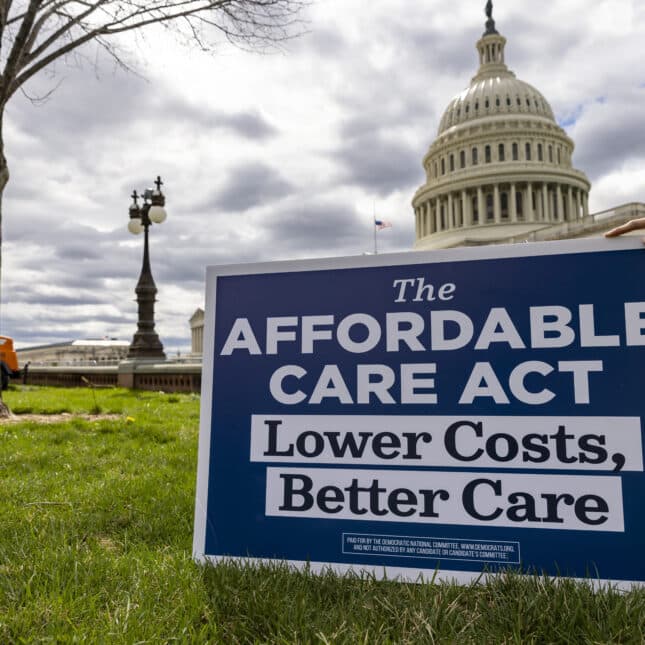
Senate Majority Leader John Thune announced that the Senate will hold votes on Thursday, December 11, on competing Republican and Democratic measures aimed at preventing a sudden end to enhanced Affordable Care Act subsidies. The subsidies, which bolster affordability in the individual insurance market for roughly 24 million people, are set to expire imminently, raising the prospect of sharp premium increases in 2026 if lawmakers do not act.
Democrats are backing a three year extension of the enhanced subsidies, arguing that extending current assistance is the most direct way to preserve access and stability in the marketplaces. Republicans led by Senators Bill Cassidy and Mike Crapo have proposed a different approach, replacing the subsidies with direct payments of up to $1,500 into health savings accounts for eligible individuals. The Republican proposal also includes limits on permissible uses of federal funds, including bans on funding for abortion and gender transition services, and would reduce some Medicaid funding for states that provide coverage to undocumented immigrants.
Neither party expects quick passage of its preferred measure, according to lawmakers, and the announced votes appear likely to be procedural moves that set the terms of debate and highlight policy contrasts. The central economic stakes are straightforward and immediate. If enhanced subsidies lapse, insurers and actuaries warn that premiums on the exchanges could rise significantly because subsidies currently blunt premium impacts for lower and middle income enrollees. That would increase out of pocket costs for tens of millions of Americans and raise the uninsured rate in some states.
The dispute also hinges on budget implications and long run priorities. A multi year extension of subsidies would increase federal outlays relative to baseline projections, prompting Republican objections about adding to deficit pressures. Republican architects of the HSA payment plan argue that providing capped annual payments will be less costly and will incentivize consumer driven choices, though analysts caution that capped HSA payments do not replicate the income targeted nature of current subsidies and could leave many poorer households with substantially higher effective premiums.
Market participants are watching closely. Insurers must set 2026 premiums in the next several months, and uncertainty about policy can lead to precautionary rate increases or narrower plan offerings, which in turn drive higher individual costs. State regulators may face pressure to approve larger rate increases if the subsidy picture remains unclear.
Beyond the immediate budget calculus and market volatility, the debate underscores longer term questions about how the United States balances affordability, targeted assistance and budgetary restraint in health policy. The votes on Thursday will not necessarily resolve those questions, but they will crystallize the policy alternatives and the political limits to reaching an agreement before the subsidies expire. Congressional leaders face growing pressure to produce a compromise that prevents abrupt premium shocks while addressing competing priorities on fiscal and social policy. Reuters reported the developments on December 9, 2025.