Judge orders public release of extensive Maxwell grand jury materials, investigative records
A Manhattan federal judge is directing the unsealing and public release of extensive grand jury materials and investigative records tied to Ghislaine Maxwell’s 2021 sex trafficking prosecution, invoking the newly enacted Epstein Files Transparency Act. The decision accelerates public access while instructing prosecutors to implement redactions to protect victims and sensitive information, setting up a test of how transparency reforms will operate in high profile cases.

A Manhattan federal judge is ordering the unsealing and public release of voluminous grand jury transcripts, search warrants and unused trial evidence from Ghislaine Maxwell’s 2021 sex trafficking prosecution, moving to implement the recently enacted Epstein Files Transparency Act. U.S. District Judge Paul Engelmayer directed the preparation of the documents for public access with protections to redact or otherwise shield victims’ identities and other sensitive information.
The Justice Department has been coordinating with survivors’ representatives and told the court it would propose specific redaction procedures. Court discussions on December 9 indicated that public access could begin within days to weeks after redaction work is complete. The ruling requires the Manhattan U.S. Attorney’s Office to certify that reasonable redactions are in place before the materials are posted in a searchable format.
The order follows a separate Florida court decision to unseal grand jury transcripts tied to an aborted 2006 through 2007 investigation of Jeffrey Epstein, and arrives amid sustained public scrutiny and political attention on networks surrounding Epstein. The contrast between longstanding traditions of grand jury secrecy and the new statutory push for disclosure now plays out in federal court, as officials confront practical and ethical questions about how to preserve individual privacy while advancing public understanding.
Implementation will pose immediate operational challenges for the U.S. Attorney’s Office and the Justice Department. Preparing large volumes of records for public release requires significant resources for review and redaction, and the decision places responsibility on prosecutors to balance prompt disclosure against the legal obligation to protect victims and to avoid compromising ongoing inquiries. The searchable format envisioned by the court is likely to make the materials more accessible to journalists, researchers and the public, amplifying the impact of any errors or omissions in redaction.
Policy implications reach beyond this case. The Epstein Files Transparency Act mandates disclosure in categories of prosecutions tied to Epstein, but courts must now refine how statutory commands interact with privacy protections embedded in criminal procedure and victims rights statutes. The outcome will inform how future requests for grand jury and investigatory materials are adjudicated, potentially narrowing or widening the scope of grand jury secrecy as traditionally understood.
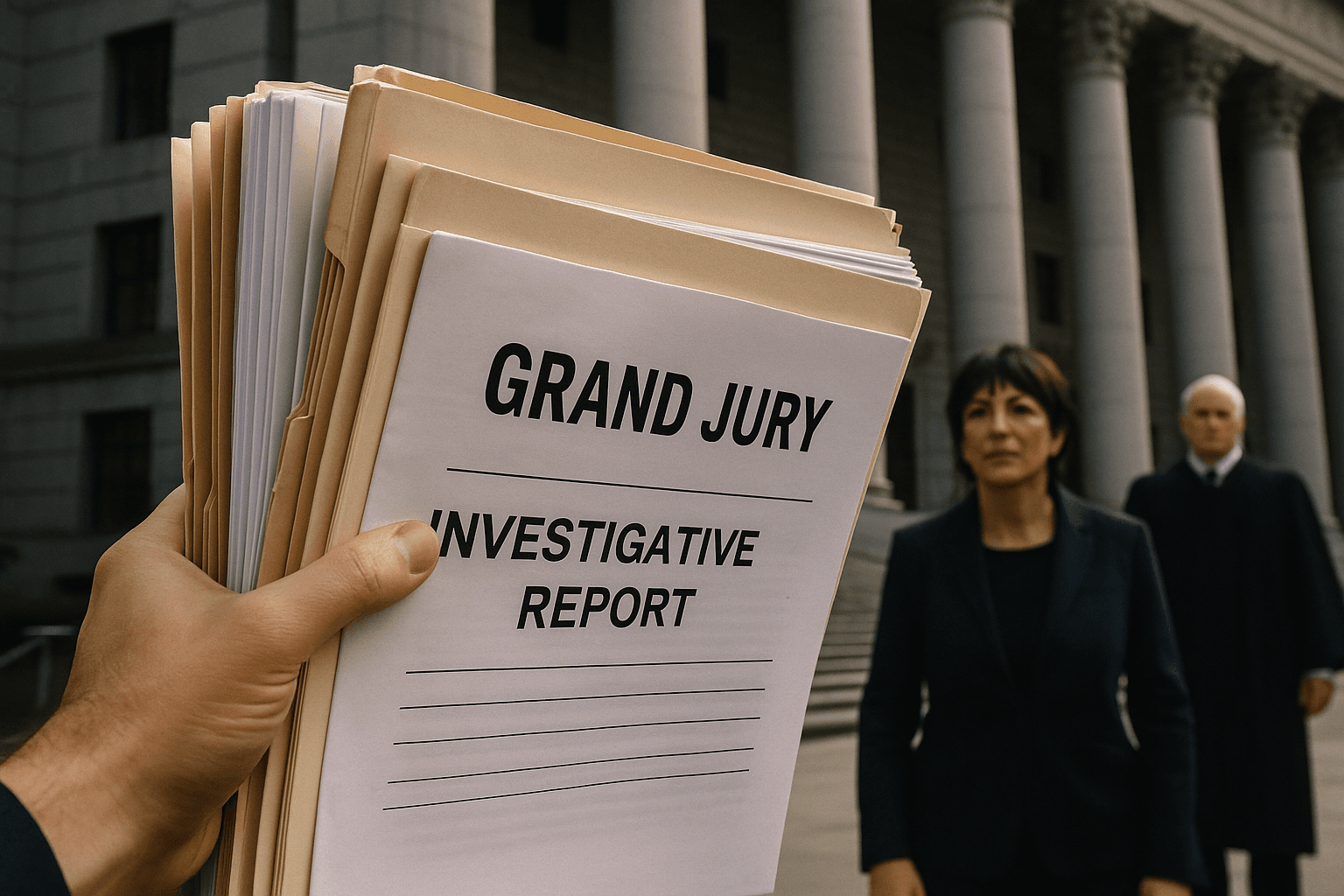
For survivors and advocacy groups, public release of records may offer greater visibility into prosecutorial decisions and investigative pathways, a step toward accountability that some have sought for years. At the same time, survivors advocates and legal experts warn that poorly executed disclosures could re traumatize victims and deter cooperation in future prosecutions.
The decision will also reverberate politically. Greater transparency into Epstein related investigations could energize civic engagement, influence public debate and prompt congressional oversight actions. It may also provoke further litigation over the sufficiency of redactions and the limits of disclosure.
In the coming days the court will monitor the certification process by the Manhattan U.S. Attorney’s Office, and the timing of public postings will depend on the completion of redaction work and any legal challenges that might follow.