Court Upholds Prop K Closure of Upper Great Highway Park
A San Francisco Superior Court judge rejected a legal challenge to Proposition K on Jan. 6, 2026, concluding the 2024 ballot measure complied with state law and CEQA requirements. The ruling preserves the permanent closure of the Upper Great Highway and the status of Sunset Dunes Park, but political opposition signals plans to pursue another ballot measure to reopen the roadway.
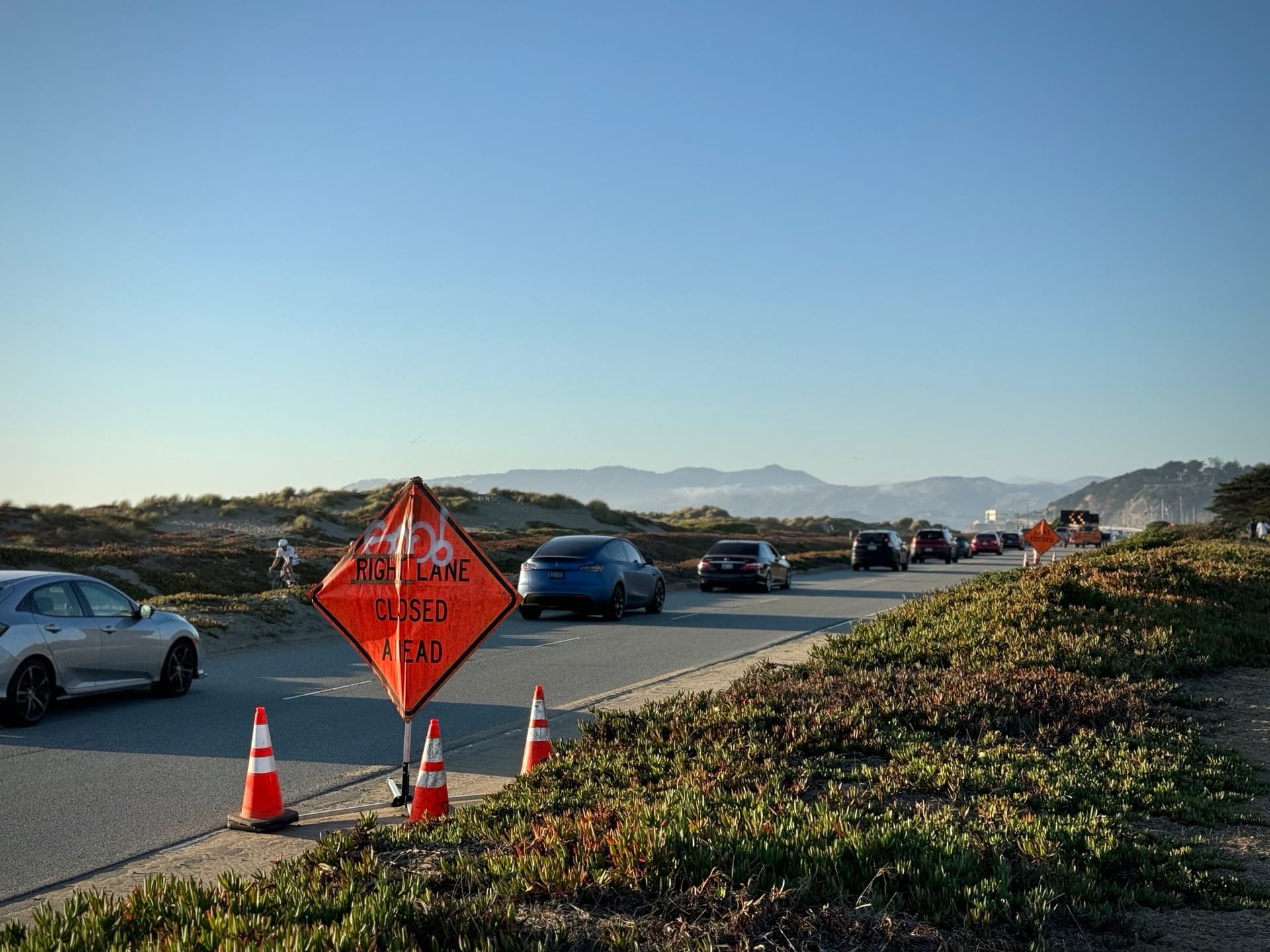
A San Francisco Superior Court judge has rejected a legal challenge to Proposition K, the 2024 ballot measure that created Sunset Dunes Park by permanently closing the Upper Great Highway to vehicles. The decision, handed down Jan. 5–6, 2026, found the measure complied with state law and met the requirements of the California Environmental Quality Act, leaving the park and the roadway closure intact.
The ruling removes a significant legal obstacle to the project and cements the outcome approved by San Francisco voters in 2024. For residents who use the Great Highway corridor, the decision means the Upper Great Highway will remain a public open space rather than returning to automobile traffic. City agencies responsible for park management and public safety can proceed with implementing maintenance, programming, and long-term planning without the uncertainty of pending litigation.
Supporters of Proposition K welcomed the decision and urged unity around the park’s future, framing the ruling as a validation of the voter-approved process and the city’s environmental review. Opponents, including the District 4 supervisor, signaled they intend to press the issue through the ballot box, indicating plans to pursue a future measure to reopen the highway to vehicles. That strategy would return the debate to voters and could fuel further civic engagement and campaign activity in future local elections.
The case highlights the intersection of direct democracy, environmental law, and municipal governance. The court’s finding on CEQA compliance reinforces the legal framework that underpins voter-initiated land use changes and may influence how future ballot measures are drafted and litigated. For city administrators, the ruling clarifies the institutional authority to manage public space created by voter initiative and reduces the risk of protracted court battles that can stall implementation and budget planning.
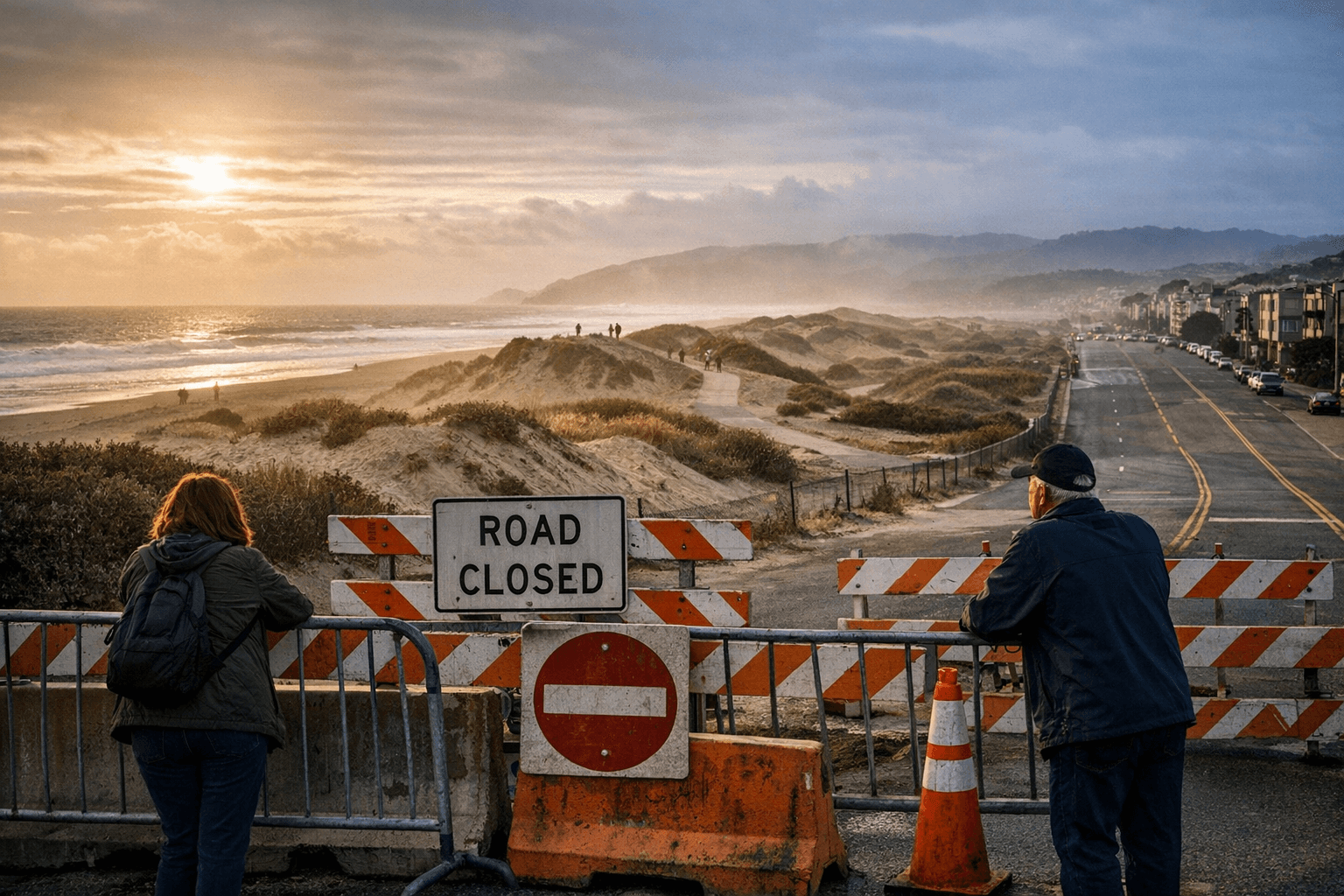
Local implications extend to transportation planning and neighborhood access. Drivers who previously used the Upper Great Highway must continue relying on alternate routes, while the preserved park space offers continued recreational and open-space benefits. The prospect of a new ballot measure also means residents can expect renewed organizing, campaigning, and debates over trade-offs between car access, coastal resilience, and public open space.
With legal clearance now established, the Great Highway dispute shifts back into the political arena. Voters and local officials will determine whether the closure remains permanent or returns for reconsideration at the ballot box, keeping the issue central to conversations about land use, civic participation, and accountability in San Francisco governance.
Sources:
Know something we missed? Have a correction or additional information?
Submit a Tip