Rideshare drivers protest robotaxi rules outside CPUC in San Francisco
Rideshare drivers protested at the CPUC over robotaxi rules, citing safety and job risks. Regulators debated statewide safeguards with potential impact on local drivers and commuters.
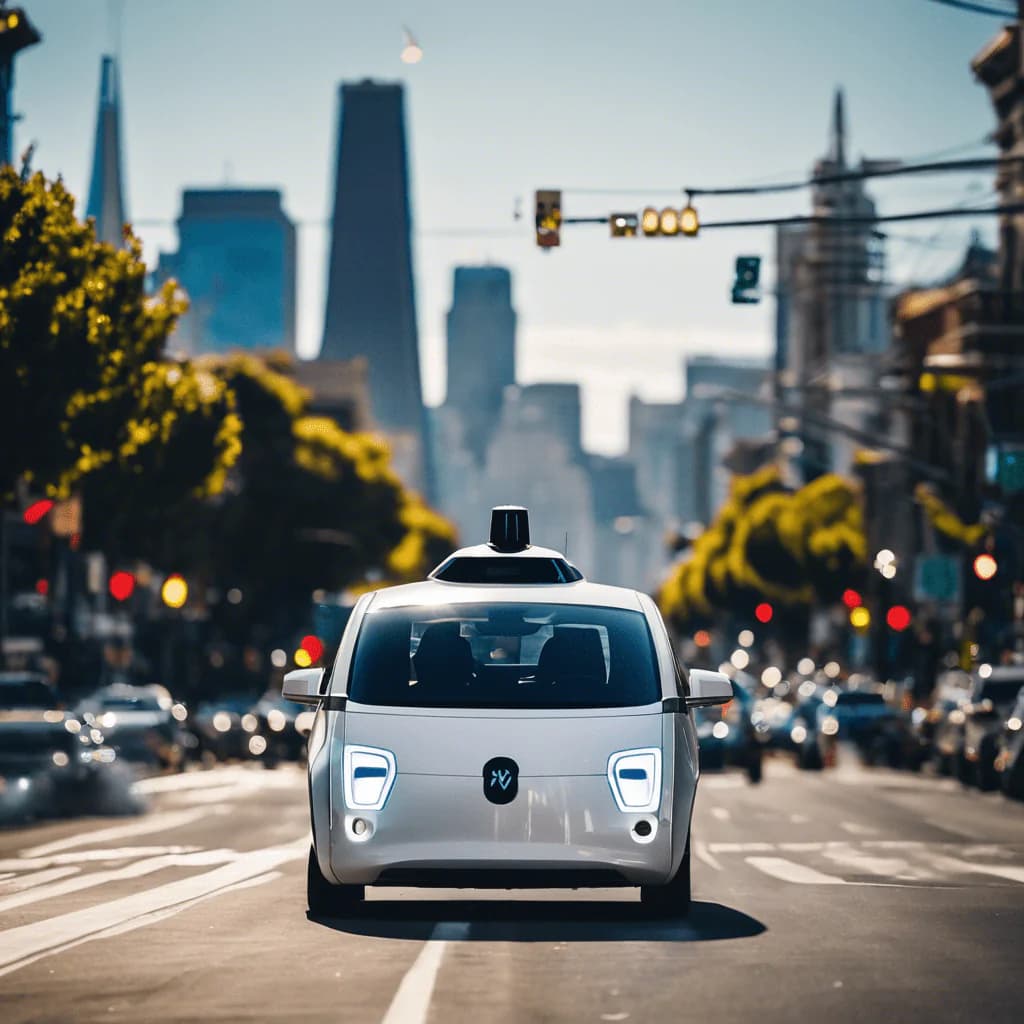
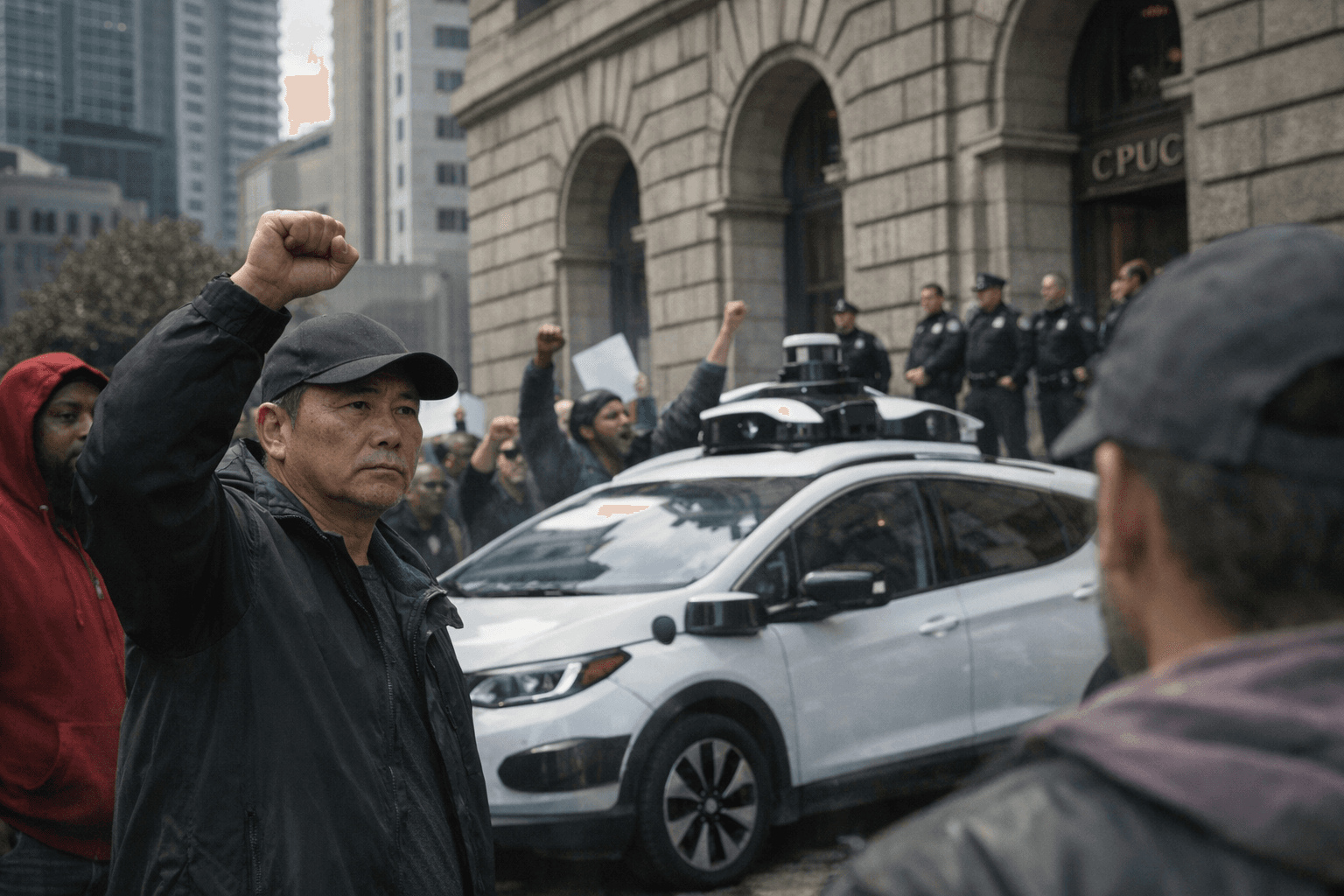
Hundreds of rideshare drivers, including those who work for Uber and Lyft, gathered outside the California Public Utilities Commission in San Francisco on January 9 to press regulators for stricter oversight of autonomous taxis. The demonstration coincided with a CPUC meeting in which commissioners debated new rules and regulatory safeguards for robotaxi operations across California.
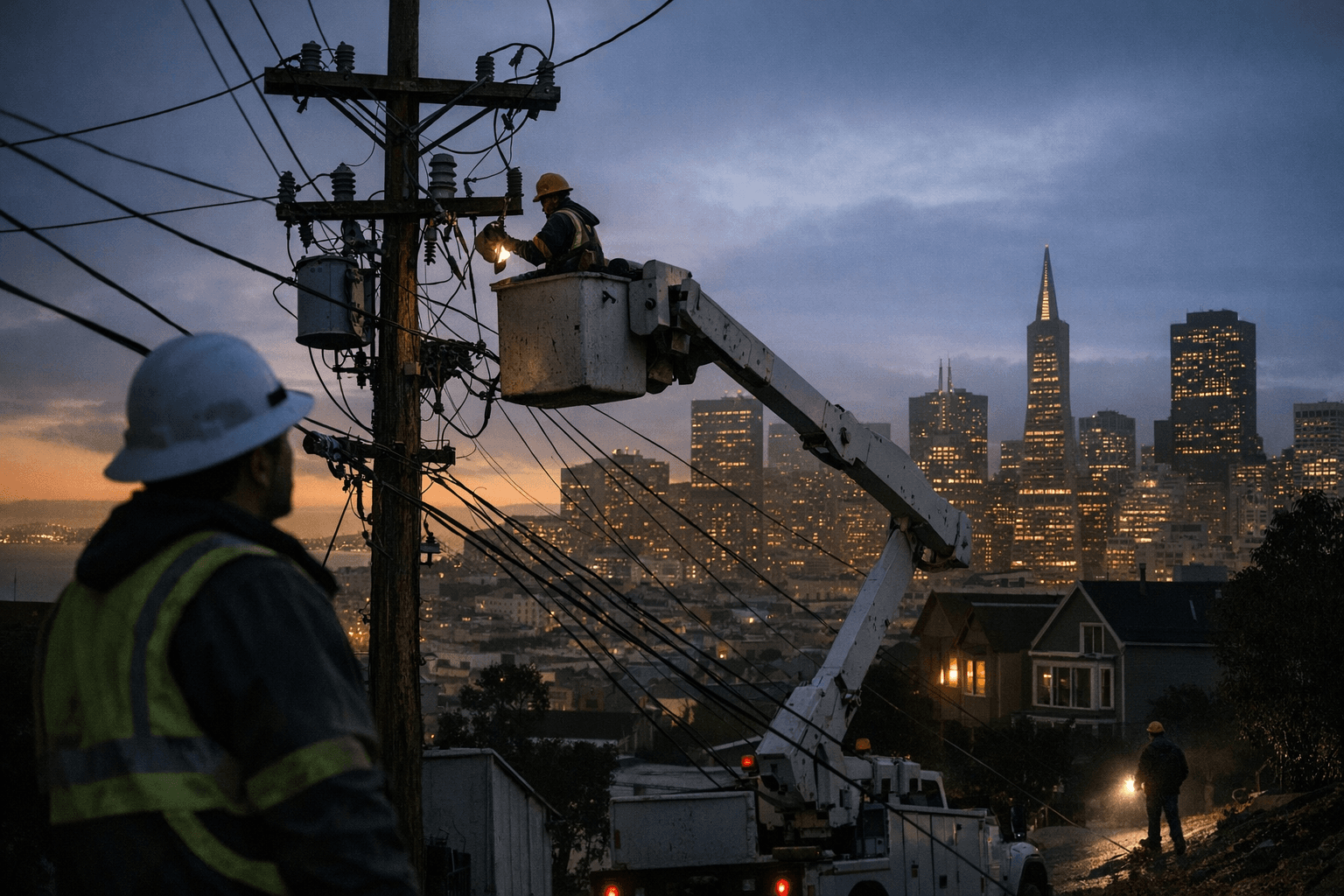
Drivers framed their demands around two central concerns: safety and economic displacement. Demonstrators cited a series of operational incidents and a high-profile power outage last month that left some autonomous vehicles immobilized and disrupted service as evidence that current oversight is insufficient. For drivers who depend on app-based work to make rent and cover vehicle costs, the prospect of robotaxi fleets operating with limited accountability raises immediate livelihood questions.
The CPUC has authority to set conditions for private passenger carrier services and to establish statewide standards for emerging transportation technologies. At the meeting commissioners examined policy options that could affect vehicle testing, operational reporting, emergency response requirements, and safety certifications for companies deploying robotaxis. Regulators must weigh public safety and service continuity against the economic and labor impacts felt by human drivers.
Local impact is practical and immediate. Any new conditions placed on robotaxi fleets could change availability and reliability of ride-hail service during outages, storms, and peak hours, with ripple effects for commuters who depend on app-based trips for last-mile connections to Muni and BART. For drivers, stricter licensing, incident reporting, insurance, or contingency staffing requirements could slow deployment of autonomous services or alter how companies integrate human drivers with automated fleets.
Institutional challenges complicate the picture. The CPUC must balance the pace of innovation promoted by technology companies with enforcement capacity and transparency for the public. Statewide rules also intersect with city-level traffic management and labor enforcement, creating pressure on San Francisco officials to coordinate responses that protect streets, riders, and workers. The commission’s decisions could set precedents for how other regions regulate robotaxis and handle system failures like power outages.
The debate moves beyond technical tinkering to basic questions about who sets standards for safety and who bears the costs when new systems fail. Regulators face trade-offs between enabling new mobility options and ensuring those options do not erode the incomes or safety of existing workers.
The takeaway? If you ride or drive for apps in San Francisco, pay attention to CPUC rulemaking and service notices, and document incidents when safety or service is affected. Our two cents? Stay informed, save receipts and reports of disruptions, and make your voice heard in comment periods so policy decisions reflect local realities.
Sources:
Know something we missed? Have a correction or additional information?
Submit a Tip