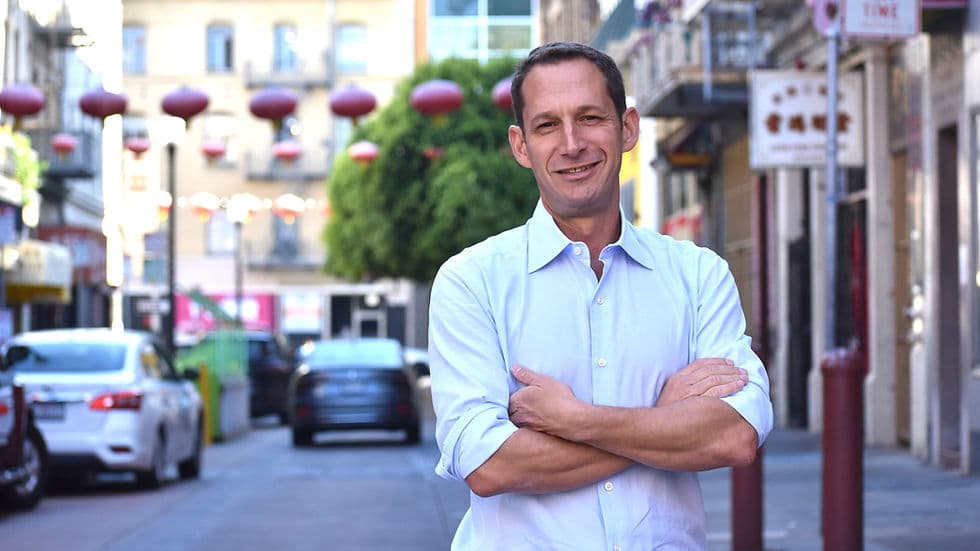
San Francisco expands anti-trafficking efforts ahead of 2026 mega events
San Francisco is expanding anti-trafficking outreach and services ahead of the 2026 Super Bowl and World Cup. The campaign boosts advocates, multilingual materials and transit signage to reach visitors and residents.
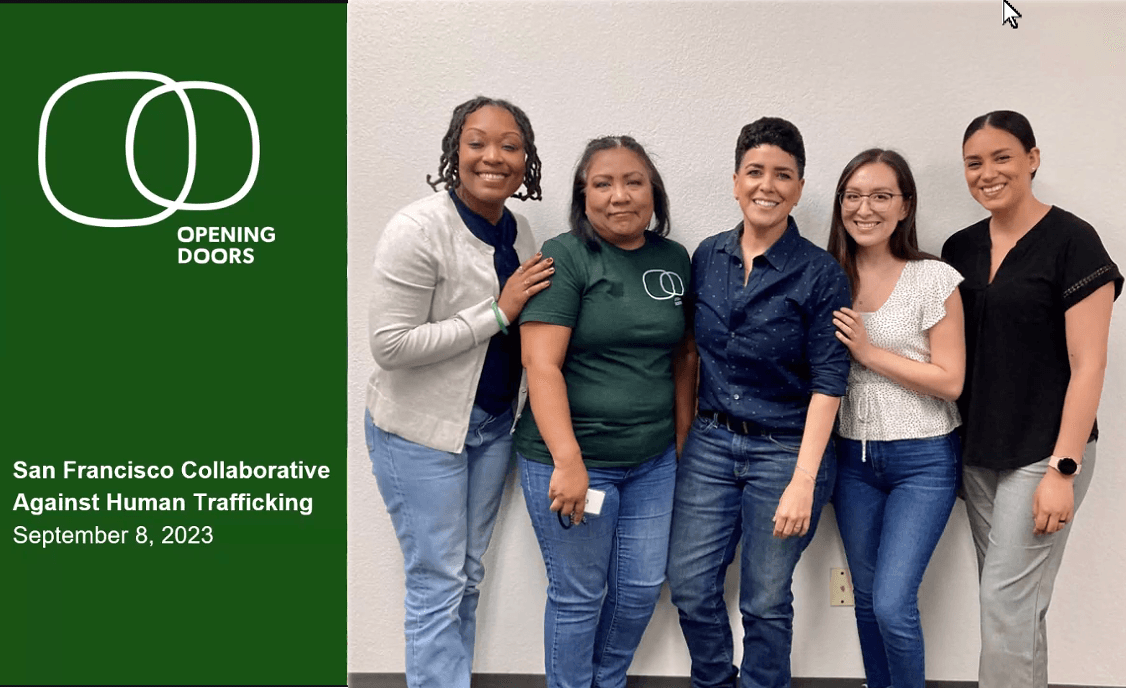
San Francisco officials and advocacy groups on Jan. 9 unveiled a coordinated expansion of anti-trafficking prevention and response efforts in anticipation of the 2026 Super Bowl and World Cup, events expected to bring large crowds to the region. Mayor Daniel Lurie, the city district attorney and regional partners outlined a multiagency push to increase outreach, add victim-advocate staffing and roll out multilingual public awareness materials across high-traffic locations.
The initiative centers on placing signage in transit hubs and other busy sites advertising hotlines and resources, expanding street-level outreach and ensuring a larger pool of advocates available for immediate crisis intervention and longer-term services. Law enforcement and service providers who participated in the collaborative event emphasized the need for cross-jurisdiction coordination so responses are consistent across neighboring agencies when visitors move through the Bay Area.
Officials highlighted training for officers to better identify trafficking indicators and to follow protocols that limit cooperation with immigration enforcement when survivors come forward. Advocates said protecting victims who may be undocumented is critical to building trust and encouraging reporting, a point that shapes both training curriculum and on-the-ground response plans.
The city is mobilizing an array of community organizations to handle the expected increase in contacts. That network will provide immediate shelter, medical and legal referrals alongside longer-term case management and mental health support. Planners signaled an intent to make materials available in multiple languages to reach non-English speakers among visitors and local communities.

Policy implications are immediate. Deploying more advocates and multilingual outreach requires sustained funding and logistical coordination across departments and partner agencies. The emphasis on limiting immigration cooperation reflects a deliberate policy choice to prioritize victim-centered reporting, but it also raises implementation questions about oversight, data sharing and accountability across jurisdictions.
For local residents, the campaign means seeing more visible messaging at transit nodes and event venues and having clearer pathways to report concerns or seek assistance. Civic and neighborhood groups will be central to on-the-ground outreach and follow-up, creating opportunities for volunteers and local nonprofits to plug into official response plans.
The takeaway? Watch for posted resources at transit hubs and event areas, and steer survivors to community-based advocates who promise confidentiality and ongoing support. If you want to help, consider connecting with local victim-service organizations and staying alert to signs of exploitation so the city’s expanded network can work effectively when the crowds arrive.
Sources:
Know something we missed? Have a correction or additional information?
Submit a Tip