Mayor unveils bill to allow involuntary medication in AOT with court approval
Mayor Daniel Lurie and state lawmakers unveiled a bill to let counties include involuntary medication in assisted outpatient treatment, a move with major implications for San Francisco residents.
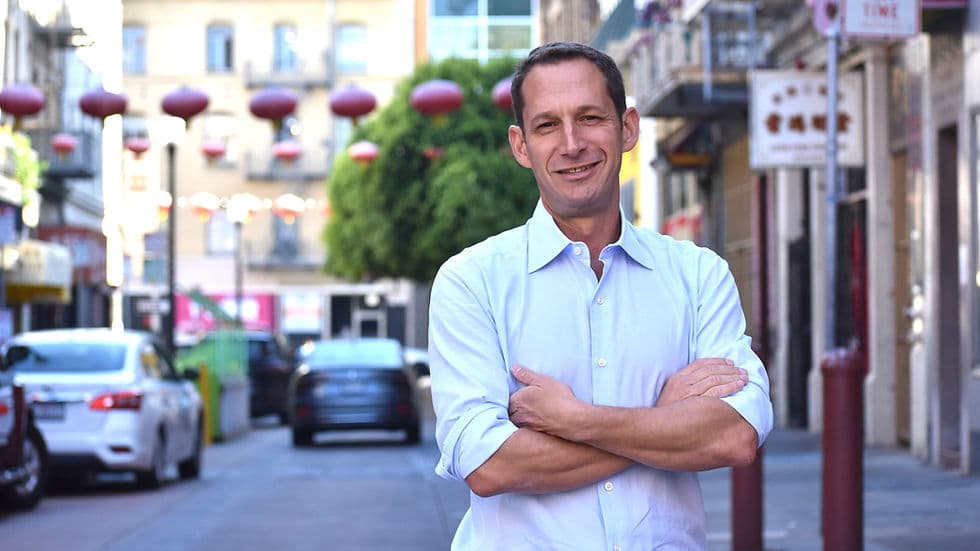
San Francisco Mayor Daniel Lurie on January 12 unveiled legislation that would permit counties, with judicial approval, to include involuntary medication as part of assisted outpatient treatment programs. The bill, authored by Assemblymember Catherine Stefani and locally sponsored by the mayor, was announced at a press conference outside City Hall and drew early support from Board of Supervisors leadership, which planned a resolution backing the measure.
Under current California law, courts can order people into assisted outpatient treatment, or AOT, but they cannot authorize involuntary medication within those orders. The proposed change would allow counties to seek court authorization to administer medication without a patient’s consent when judges find it necessary to stabilize someone with severe mental illness who poses a serious risk to themselves or others. The proposal is pitched as a tool to reduce crises and improve public safety while stabilizing people in the community rather than in long-term hospitalization.
The payload of the proposal is procedural: it creates an opt-in pathway at the county level rather than imposing a statewide mandate. That design transfers a heavy share of practical and ethical decisions to local institutions. Courts would become gatekeepers for involuntary medication orders, county behavioral health departments would carry out expanded treatment obligations, and public defenders and civil liberties groups are likely to scrutinize due process protections and medical standards.
For San Francisco residents, the implications are immediate and concrete. If the county moves to use the new authority, families and neighbors could see more frequent involuntary medication orders and potentially fewer repeated emergency room visits or street-level crises. At the same time, implementation would strain court calendars and behavioral health capacity, requiring more psychiatric staffing, monitoring systems, and community-based follow-up to prevent revolving-door hospitalizations.
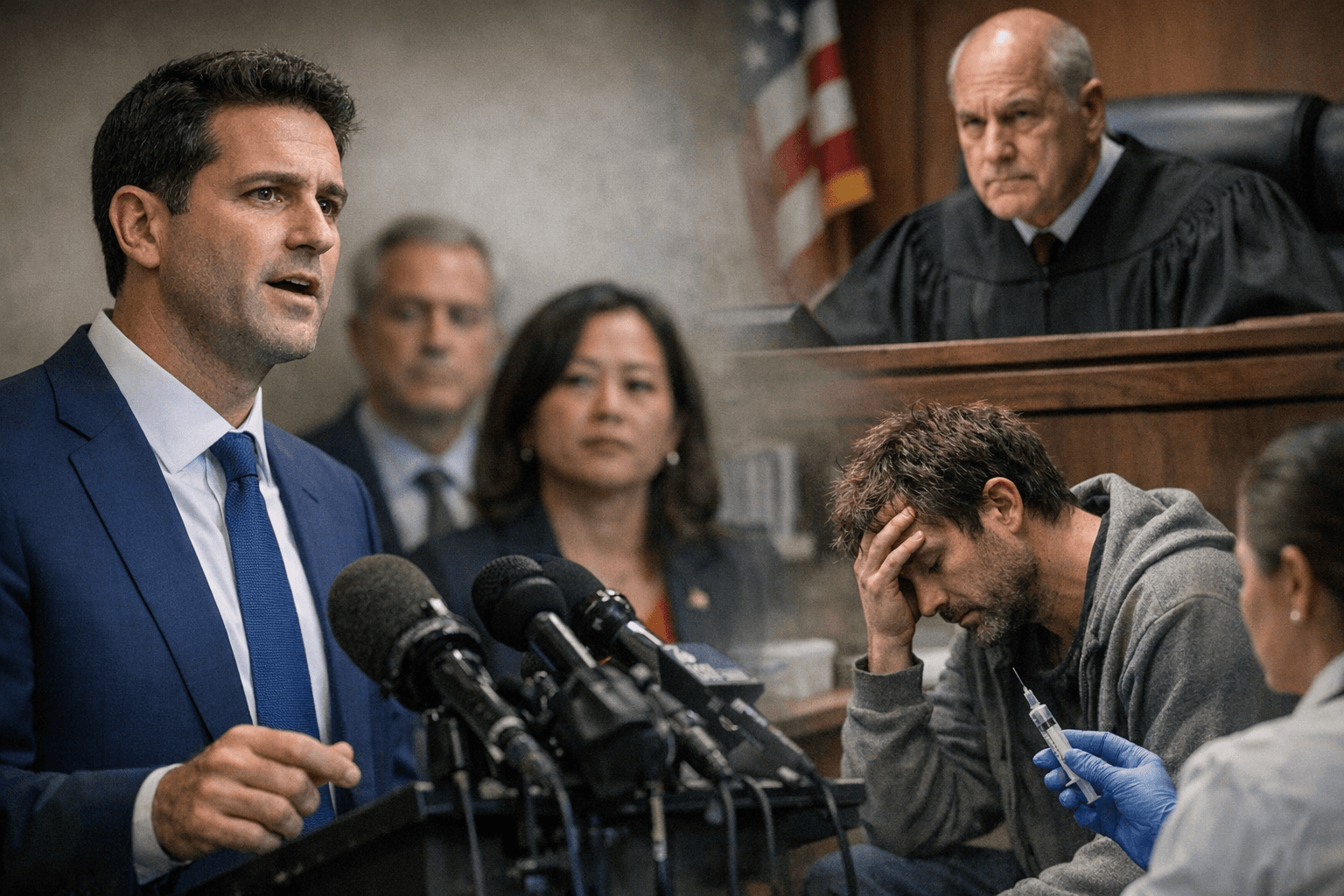
Policy trade-offs are central. Proponents argue that narrowly tailored involuntary medication orders can prevent harm and keep people stabilized in their neighborhoods. Critics will raise concerns about civil liberties, medical consent, and whether the city’s mental health infrastructure can deliver humane, evidence-based care alongside coercive tools. Absent stronger community services, involuntary medication risks becoming a stopgap rather than a pathway to sustained recovery.
The bill now faces the state legislative process and local deliberations. Board leadership’s planned resolution signals political momentum in City Hall, but operational questions remain: who will qualify for such orders, what judicial standards will apply, how county health agencies will track outcomes, and how oversight will be enforced.
The takeaway? This proposal changes the lever — not the problem. San Francisco must insist that any new authority come with clear judicial safeguards, transparent tracking of outcomes, and expanded voluntary services. Our two cents? Follow the hearings, ask supervisors for data-driven benchmarks, and push for funding that builds real, community-based care before widening the use of involuntary treatment.
Sources:
Know something we missed? Have a correction or additional information?
Submit a Tip