Cyclone Floods Ravage Sumatra, Survivors Haunted by Tsunami Memories
Severe cyclone driven storms and resulting floods have killed more than 800 people across Sumatra, Thailand and Malaysia, with over 200 dead in Aceh province alone, reviving traumatic memories of the 2004 Indian Ocean tsunami. The scale of destruction has left communities in tents and makeshift shelters, stretched logistics and revived calls for a national emergency to unlock greater relief resources.

More than 800 people died after cyclone driven storms triggered floods and landslides across Sumatra, Thailand and Malaysia, Reuters reported following waves of destruction that struck communities on December 5. Aceh province on the northern tip of Sumatra accounted for over 200 fatalities, and survivors in North Aceh described scenes that resembled a tsunami as whole settlements were washed away.
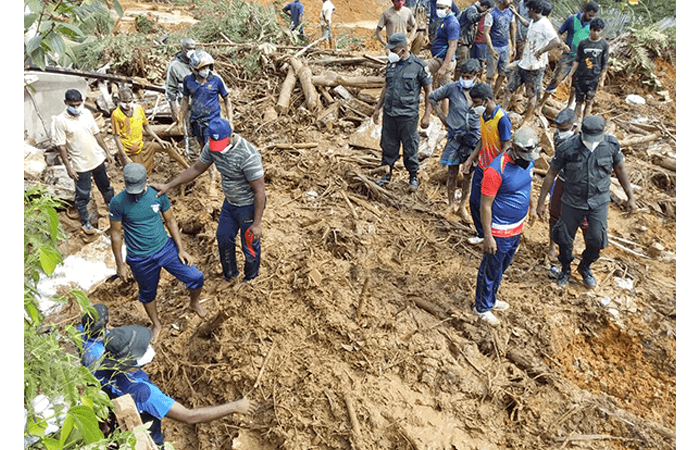
Rescue and relief operations have struggled to reach the worst affected areas because roads were broken, bridges were damaged and villages were isolated by water and mud. Thousands of people were living in tents and makeshift shelters as authorities sought to deliver clean water, food and medical supplies. Images and eyewitness accounts showed collapsed homes and rivers of debris where communities once stood.
Local officials and residents urged Jakarta to declare a national emergency to free additional funds and mobilize broader state resources. The central government said it had made initial relief funding of 500 billion rupiah available, roughly $30 million, and that additional support could be provided as needs were assessed. President Prabowo Subianto indicated that the situation was improving in some areas though needs remained acute across many communities.
Humanitarian agencies and local leaders warned that immediate priorities were preventing disease, ensuring safe drinking water and finding shelter for displaced families as temperatures fell and rains continued in parts of the region. Logistics problems already hampered distribution of aid, and relief workers faced the dual challenge of restoring access while tending to people whose homes and livelihoods had been swept away.
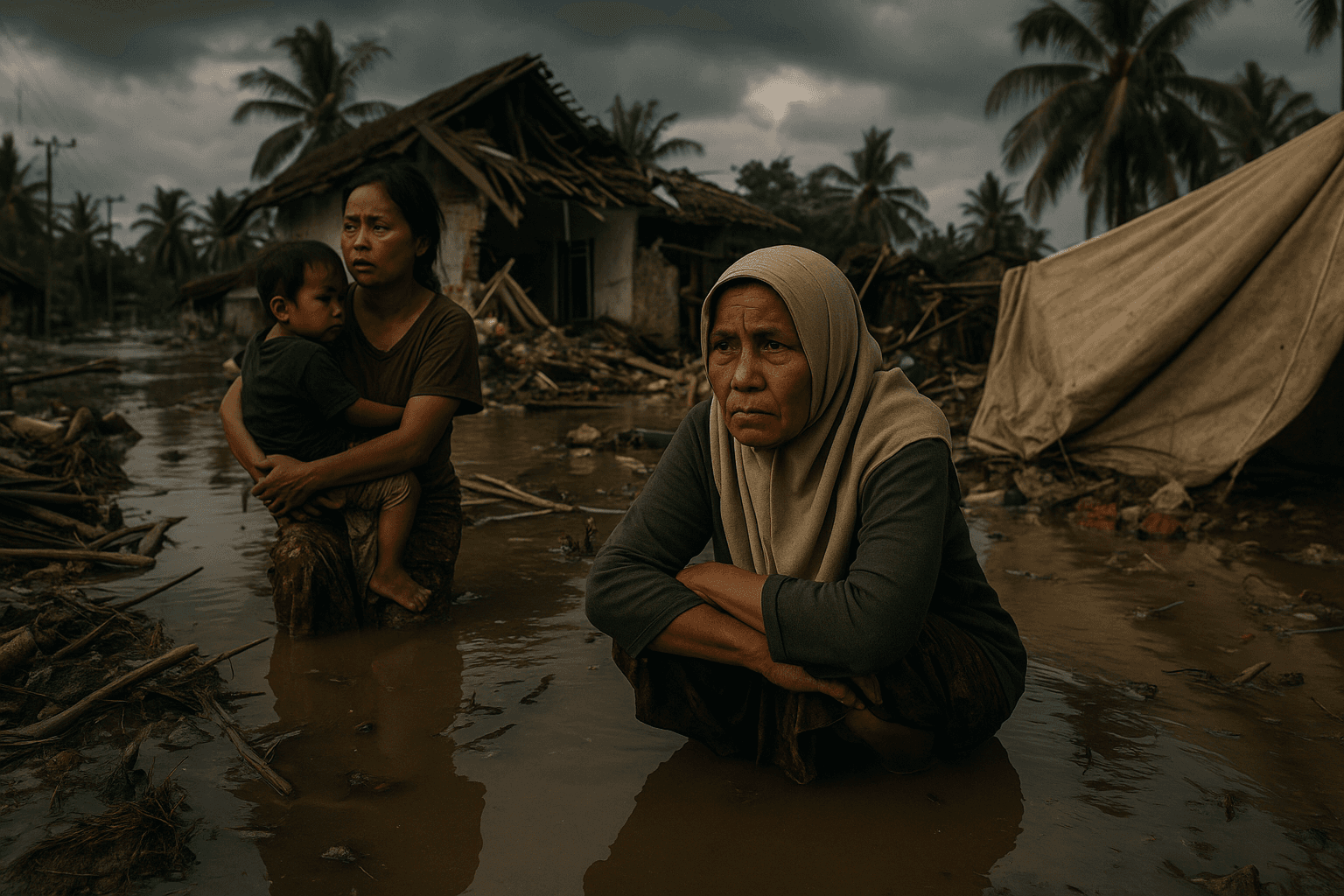
The emotional toll is particularly heavy in Aceh, where memories of the 2004 Indian Ocean tsunami remain raw. That disaster killed more than 230,000 people across the region and flattened coastal communities in Aceh, shaping local preparations and expectations for external assistance ever since. Survivors interviewed after this week’s flooding used the word tsunami to convey the suddenness and scale of the inundation, a reminder of how past catastrophes shape community responses to new disasters.
Beyond Indonesia, the storm system contributed to fatalities in neighboring Thailand and Malaysia, underscoring how extreme weather can cross borders and test regional emergency cooperation. The unfolding crisis will likely prompt appeals for international aid and coordination through existing humanitarian channels, even as domestic authorities seek to marshal national resources for rescue, recovery and reconstruction.
Climate scientists have warned that warming seas and changing atmospheric patterns make intense storms and extreme rainfall events more likely, a factor that governments in Southeast Asia are increasingly forced to reckon with. For communities in Aceh and across Sumatra the immediate challenge is survival and recovery, while for national and regional policymakers the disaster raises urgent questions about preparedness, resilient infrastructure and the long term costs of a changing climate.