U.N. General Assembly to Demand Immediate, Permanent Ceasefire in Gaza
The U.N. General Assembly is scheduled to consider a draft resolution calling for an immediate, unconditional and permanent ceasefire in Gaza, after a similar effort in the Security Council was blocked by a veto. The nonbinding measure is expected to draw broad support, signaling global censure and increasing pressure for concrete steps to protect civilians and expand humanitarian access.
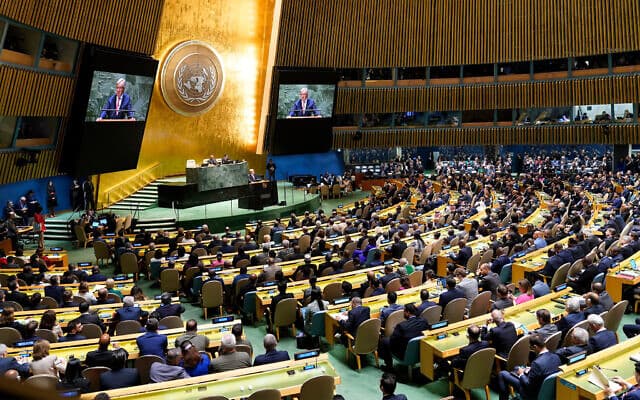
The U.N. General Assembly is taking up a draft resolution on an immediate, unconditional and permanent ceasefire in Gaza, a move that diplomats say will crystallize growing international frustration with the humanitarian crisis even though the measure will be nonbinding. The vote comes after a comparable resolution in the Security Council was blocked by a veto, and multiple diplomatic outlets reported intense lobbying by Israel and its allies in the days leading up to the Assembly session.
Assembly members are expected to deliver a clear political message through a broad vote, diplomats say, one that would increase pressure on parties to take concrete steps to safeguard civilians and to expand humanitarian access to areas in need. While the General Assembly cannot compel compliance, its resolutions often carry substantial diplomatic weight and can shape the debate in capitals, aid agencies and international courts.
The push for a General Assembly text reflects a diplomatic calculus by states that regard the Security Council impasse as an obstacle to expressing collective concern. The draft circulating among delegations calls on parties to halt hostilities and to facilitate the unimpeded delivery of humanitarian assistance. Reporting emphasized that the effort follows sustained lobbying efforts by those opposed to the text, and that proponents view the Assembly vote as a means of registering global condemnation of the human toll in Gaza.
Humanitarian organizations have repeatedly warned of mounting civilian casualties, displacement and shortages of food, water and medical supplies. Those conditions have been central to appeals from many governments and regional organizations urging an immediate cessation of fighting and the rapid scaling up of aid deliveries. Supporters of the Assembly resolution argue that a decisive vote would strengthen diplomatic leverage for relief operations and for measures aimed at protecting noncombatants.

Opponents of the resolution have sought to blunt its momentum through last minute diplomatic engagement, framing the timing and language of any ceasefire call as needing to take into account security concerns and the fate of hostages. The intense diplomacy around the vote has underscored the gulf between states focused primarily on immediate humanitarian imperatives and those emphasizing security objectives.
A decisive General Assembly endorsement would not produce a binding order to halt hostilities, but it would amplify global censure and could prompt a cascade of political consequences. Governments that back the resolution would then face domestic pressure to pursue follow up actions in multilateral forums, to increase humanitarian contributions and to press parties on specific protections for civilians. For countries that oppose or abstain, the vote may sharpen diplomatic isolation or force a public explanation of their stance to partners and constituents.
As member states cast their ballots, the outcome will be judged not merely by the numbers but by what it signals about the international appetite for concerted action. In a city where diplomatic symbolism often presages policy shifts, a strong Assembly vote would mark a pivotal moment in the international response to one of the most acute humanitarian crises of the year.