Deadly Battery Fire at Jakarta Office Building Claims More Than Twenty Lives
A massive blaze ripped through a seven storey office building in Jakarta’s Kemayoran district on December 9, killing at least 22 people and wounding many others. The tragedy raises urgent questions about workplace safety, battery handling practices in the fast growing drone industry, and regulatory enforcement across Southeast Asia.

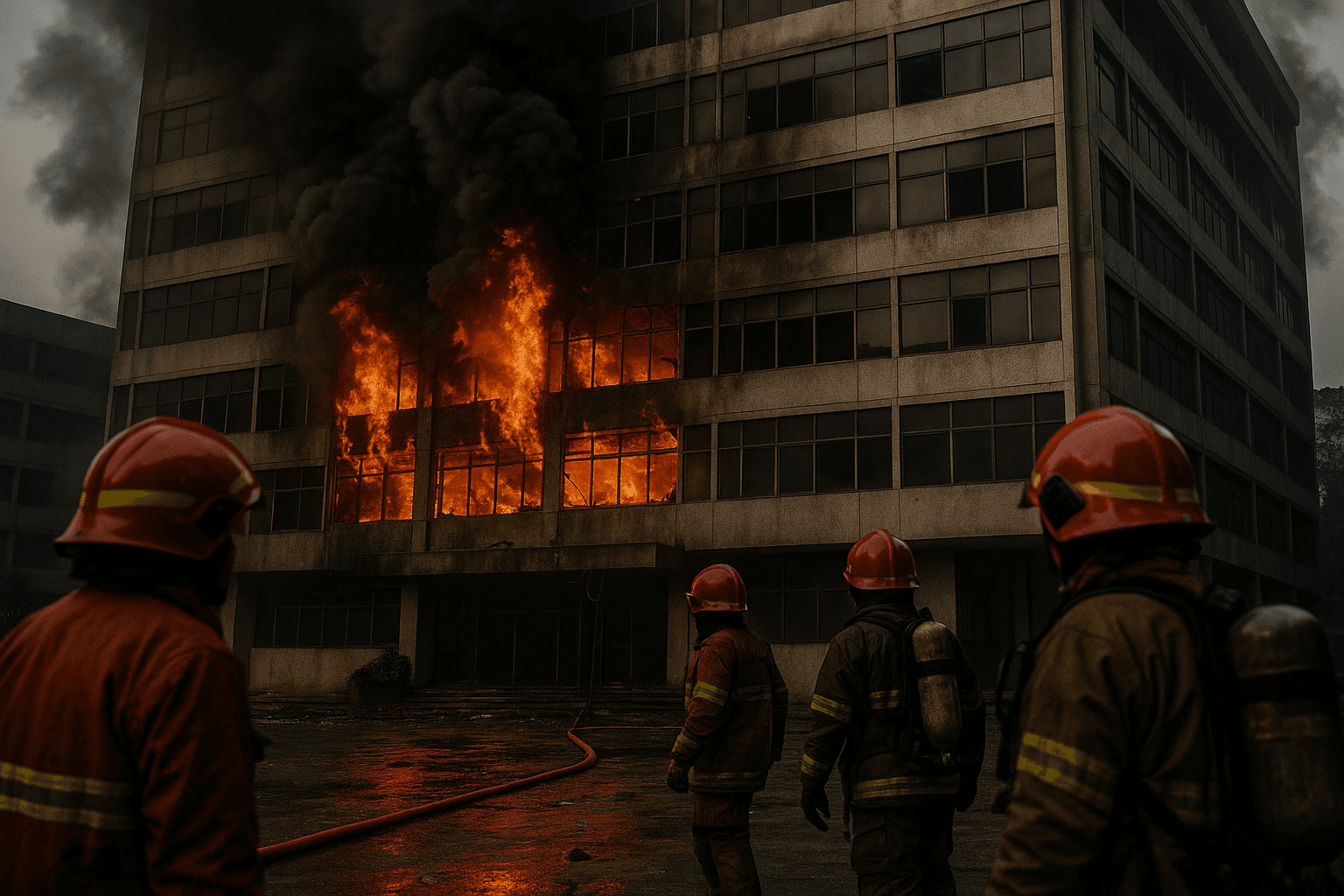
A fast moving inferno tore through a seven storey office building in Jakarta’s Kemayoran district on December 9, killing at least 22 people and injuring many more, authorities said. Emergency crews fought the blaze into the night after the fire apparently began on the first floor in a storage and testing area used by a drone company, where batteries reportedly began sparking and may have ignited.
Rescue teams deployed dozens of fire trucks and hundreds of personnel to the scene, conducting dramatic rooftop evacuations to lower people to safety and carry others down ladders. Hospital officials treated a number of survivors for burns and respiratory distress, and many of the fatalities were attributed to smoke inhalation as thick fumes spread rapidly through stairwells and corridors that witnesses said lacked clear escape routes.
Local officials immediately criticized the building’s safety provisions. The governor of Jakarta publicly faulted the structure for inadequate emergency exits and urged stricter enforcement of workplace safety standards. Investigators opened inquiries into the precise cause of the initial blast and whether battery thermal failure or charging operations triggered the conflagration. Forensic teams were collecting debris, cameras and corporate records as part of a probe into both technical causes and potential lapses in compliance.
The incident underscores the growing risks associated with lithium based battery technology as demand surges for unmanned aerial systems in commercial and industrial applications. Batteries can undergo thermal runaway if damaged or improperly charged, producing intense heat and smoke that can overwhelm fire suppression systems. As drone deployment expands regionally for logistics, surveying and infrastructure inspection, regulators across Southeast Asia face mounting pressure to set clear safety rules for battery storage, handling and testing.
Beyond technical questions, the disaster has legal and diplomatic implications. International suppliers and manufacturers involved in the supply chain may face scrutiny over product safety and certification, and foreign companies operating in Indonesia will watch the outcome of the investigation closely. The tragedy may prompt renewed calls for harmonized standards across ASEAN for battery safety and for clearer liability frameworks that span manufacturers, service providers and local operators.
For families and colleagues of the victims the immediate priority is answers and accountability. Municipal authorities said they would expedite the investigation and review permitting and inspection records for the building. Labor and industry groups are likely to press for stronger oversight of workplaces where hazardous materials and energy dense batteries are used, and legal inquiries could follow as investigators determine whether negligence or regulatory failures contributed to the loss of life.
As Jakarta recovers from the blaze, officials face the twin task of mourning and reform. The incident has become a stark illustration of how emerging technologies can amplify longstanding safety challenges in dense urban environments, and how local regulatory gaps can have consequences that reverberate across borders in an increasingly interconnected industrial landscape.
Sources:
Know something we missed? Have a correction or additional information?
Submit a Tip