Denmark Agrees to Compensate Greenlandic Women for Coerced Contraception
Denmark has reached an agreement to provide monetary redress to thousands of Indigenous Greenlandic women who were fitted with contraception without informed consent from about 1960 to 1991, a move that acknowledges long standing harms. The plan matters because it addresses bodily autonomy abuses, may reshape Denmark Greenland relations, and adds momentum to global demands for accountability for historical injustices against Indigenous and marginalized communities.
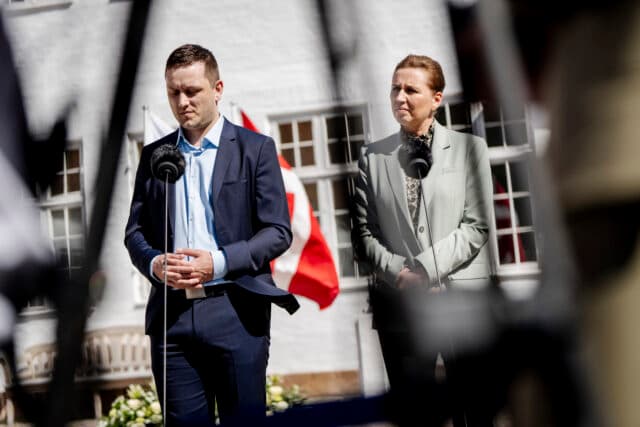
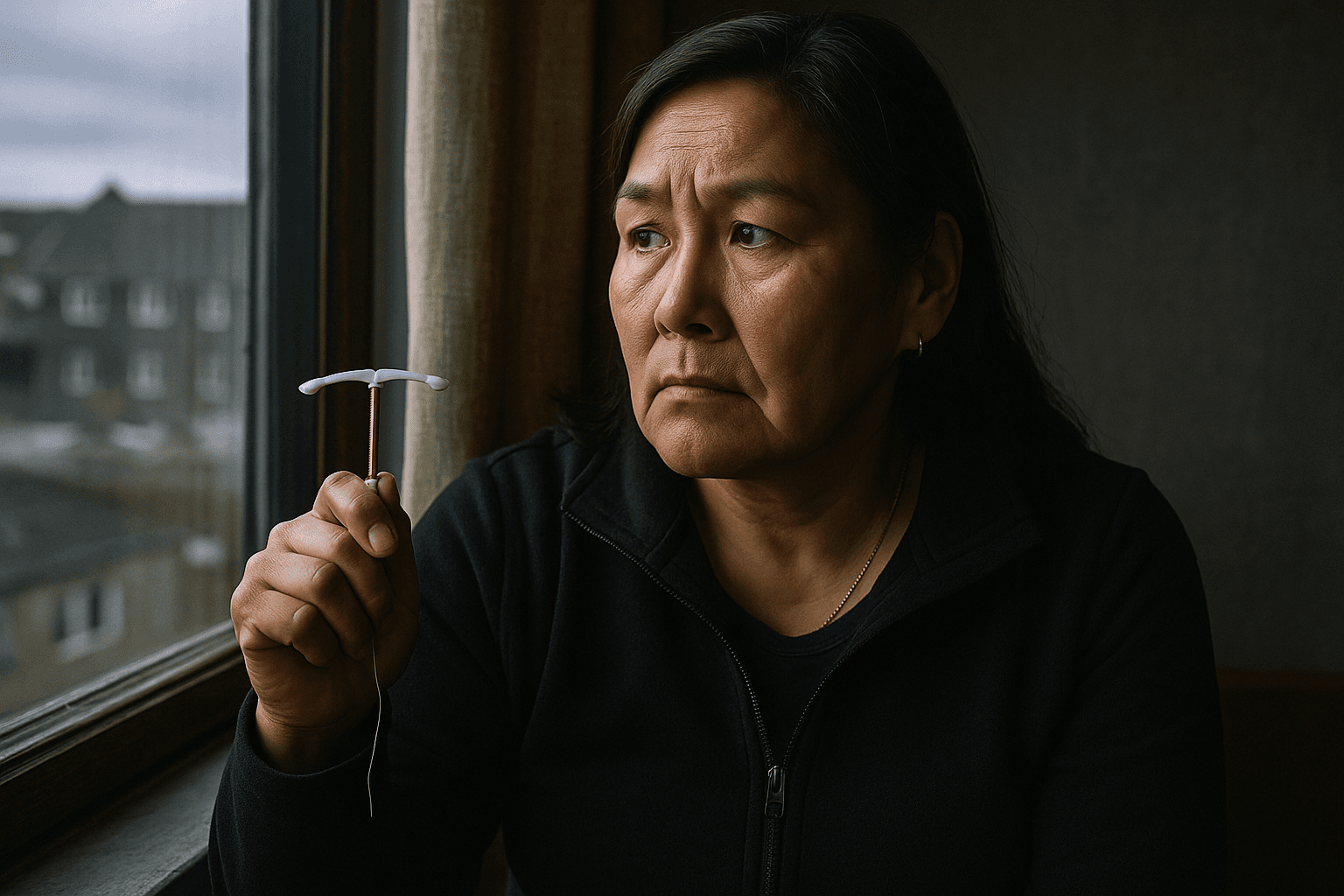
Denmark announced an agreement on December 10 to compensate thousands of Indigenous women and girls in Greenland who were fitted with contraceptives or given birth control injections without informed consent between roughly 1960 and 1991. The Danish health ministry said eligible women could apply for individual payouts of 300,000 Danish kroner, about 46,000 US dollars, beginning in April 2026. Authorities estimated that roughly 4,500 women might be entitled to payments.
The program follows long standing complaints that health authorities carried out coercive contraception and birth control policies that disproportionately affected young Greenlandic women. For survivors and their families the compensation represents formal recognition by the Danish state of past medical practices that stripped many women of agency over their bodies and reproductive choices. The decision also arrives amid renewed scrutiny of historical abuses targeting Indigenous and other marginalized groups across the globe.
Greenland is an autonomous constituent of the Kingdom of Denmark with a majority Indigenous population. Over recent decades, Greenlandic activists and social advocates have pushed for accountability and remedies for policies and practices perceived as paternalistic and discriminatory. The compensation plan is intended as a measure of redress and to help restore trust in health services, officials said in the announcement.
The selection of a fixed lump sum for each eligible applicant indicates a policy choice to prioritize direct monetary redress rather than institution by institution litigation or lengthy court processes. By opening an application window and setting a clear payment amount, Danish authorities created a practical pathway for survivors to apply without requiring protracted legal battles. Officials estimated about 4,500 potential applicants, a figure that underscores the scale of the interventions and the collective trauma involved.
Beyond immediate payments, the decision carries political and diplomatic implications. It may recalibrate relations between Copenhagen and Nuuk by addressing a central grievance in Greenlandic public life. It could also influence debates in other countries where Indigenous and minority groups seek recognition and reparations for medical and social injustices. International human rights bodies have long stressed that informed consent and bodily integrity are fundamental rights, and national redress programs are often seen as measures to uphold those standards after historical violations.
The announcement is likely to prompt further discussion about how health systems document consent and how governments respond to past abuses. For survivors the financial award cannot erase experiences of coercion, but it represents a concrete acknowledgment of harm and a state level commitment to remedy. The Danish plan will require administrative steps to manage applications, verify eligibility and deliver payments, tasks that will test whether the policy can deliver timely and culturally sensitive justice to those affected.
Sources:
Know something we missed? Have a correction or additional information?
Submit a Tip