EU Agrees to 90 Percent Emissions Cut by 2040, Sets Industry Limits
EU negotiators reach a political deal to enshrine a legally binding target to cut greenhouse gas emissions 90 percent from 1990 levels by 2040, a move that will reshape investment and industrial strategy across the bloc. The compromise allows limited use of foreign carbon credits, mandates deep industry cuts, and delays some carbon pricing measures, making the politics of implementation as consequential as the target itself.
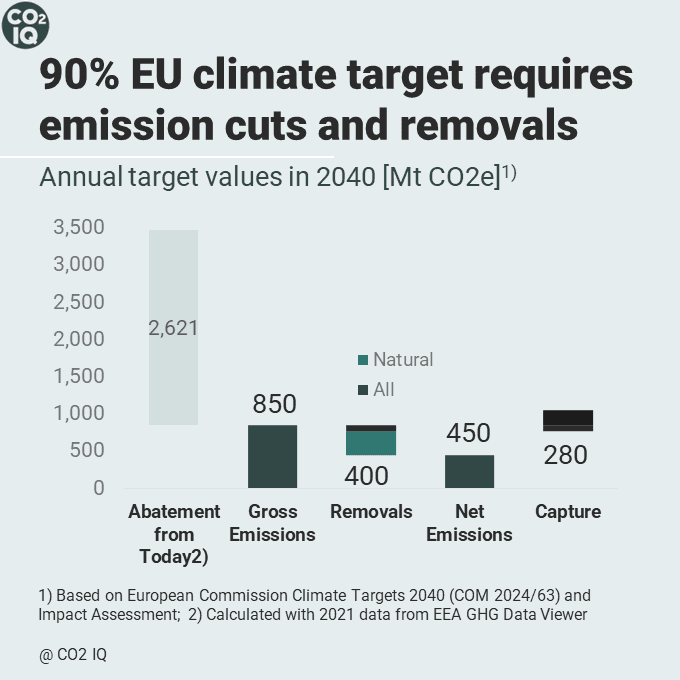
EU leaders and negotiators announce a political agreement to make a 90 percent reduction in greenhouse gas emissions from 1990 levels legally binding by 2040, marking one of the most ambitious near term targets set by any major economy. The compromise requires EU industry to reduce emissions by 85 percent, allows up to 5 percent of the overall reductions to be met through foreign carbon credits, and permits purchases of remaining cuts from non member countries beginning in 2036.
The package is the outcome of intense bargaining among member states that centered on competitiveness and cost concerns for energy intensive sectors. Several governments argued that a rapid tightening would drive industrial production outside the bloc and raise household energy bills. The agreement responds to those worries in part by delaying the launch of some carbon pricing elements, a concession designed to ease immediate cost pressure on companies and consumers.
Economists and market participants say the new legal target is likely to tighten the EU carbon market and reallocate investment toward low carbon technologies. A binding 90 percent goal compresses the remaining carbon budget available to European emitters, increasing demand for allowances and for low emission capital spending in areas such as electrification, industrial process change, and energy efficiency. Allowing limited foreign credits up to 5 percent of reductions introduces a potential moderation in price pressure by creating an additional source of compliance supply, while permitting purchases from non member countries starting in 2036 could inject more international credits later in the decade.
The deal is both more ambitious and more politically calibrated than many international pledges. It moves well beyond most major economies that have set net zero targets around mid century, by frontloading deep cuts to 2040. At the same time it falls short of recommendations from the EU scientific advisers who urged even steeper near term reductions to align with a two degree or lower trajectory. That gap has become the central critique from climate scientists and some environmental groups.
For industry the 85 percent reduction requirement will force significant operational changes and large capital allocation decisions. Companies in steel, cement and chemicals will face higher compliance costs and will need accelerated investment in clean processes or carbon removal to meet targets. Governments negotiating the compromise emphasized the need for targeted transitional support and innovation funding to limit industrial flight.
Before it becomes law the measure requires formal approval by the European Parliament and by member states, a step described by officials as largely procedural. Implementation choices, including the timing of delayed carbon pricing measures and the rules governing international crediting, will determine how steeply prices and investment adjust in the next decade. Reporting by Kate Abnett and Disha Mishra.
Sources:
Know something we missed? Have a correction or additional information?
Submit a Tip